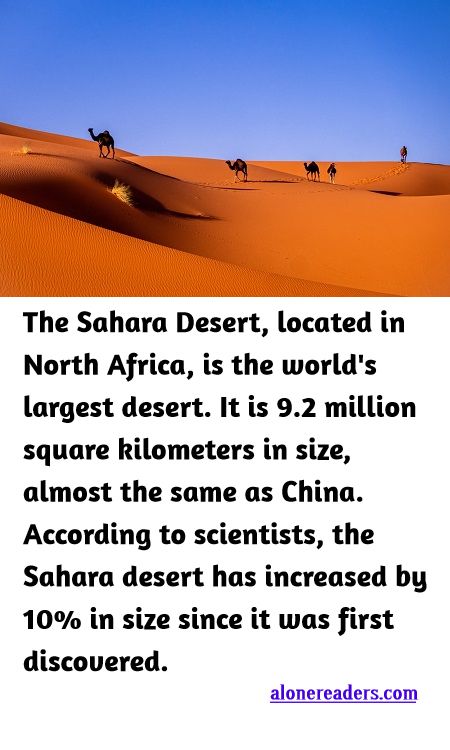
The Sahara Desert is a vast expanse of arid terrain that stretches across North Africa, claiming the title as the largest hot desert in the world. Covering approximately 9.2 million square kilometers, its size is nearly equivalent to that of China, underscoring its immense global significance not only in terms of geography but also environmental and cultural impacts. The desert spans several countries, including Morocco, Algeria, Tunisia, Libya, Egypt, Mauritania, Mali, Niger, Chad, and Sudan, making it a crucial geographical feature of the African continent.
The desert is not only remarkable for its size but also for its dynamic environment. Recent studies reveal that the Sahara has expanded by about 10% since the early 20th century. This expansion is largely attributed to climate change, variations in land use, and the natural variability of the region’s climate. The Sahara's growth impacts the surrounding ecosystems and communities, altering weather patterns and potentially affecting agricultural activities in the adjacent Sahel region, where marginal increases in aridity can have significant implications on food security.
The Sahara is also characterized by its diverse landscapes, which include not only the iconic sand dunes but also mountain ranges, rocky plateaus, and sparse vegetation adapted to the harsh climatic conditions. The desert's beauty and extremity have fascinated humanity for millennia, influencing the culture, history, and even mythology of the peoples who live on its fringes.
Scientific interest in the Sahara also revolves around its role in influencing weather patterns across the globe. For instance, the desert's sand and dust are carried by wind currents across the Atlantic Ocean, affecting air quality as far away as the Americas and playing a role in fertilizing the Amazon rainforest. This intercontinental influence highlights the global environmental significance of the Sahara, far beyond its immediate geographical boundaries.
Understanding the Sahara’s expanding nature and its broader implications is crucial for developing strategies to mitigate environmental challenges in the region and beyond. This includes tackling issues related to desertification, managing water resources, and preparing for the socioeconomic impacts of changing landscapes. As global temperatures continue to rise, the importance of studying such expansive natural phenomena will only increase, making the Sahara a key focus for climate scientists and geographers around the world.
