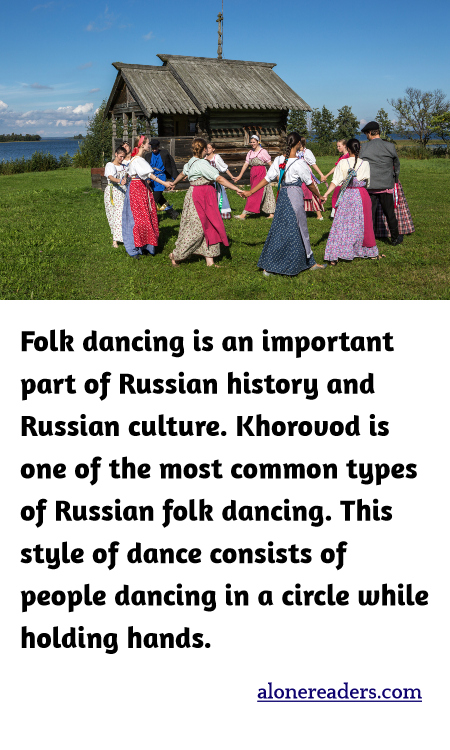
Folk dancing, an integral aspect of cultural expression, plays a pivotal role in preserving the rich history and traditions of Russia. Among the various folk dances, Khorovod stands out as a particularly significant form. This dance is not just a form of entertainment, but a ritualistic and communal activity that binds the participants to their heritage.
Khorovod typically involves dancers forming a circle by holding hands, sometimes by using a handkerchief or other props to connect with one another. This circle is symbolic, representing community unity, continuity, and the cyclical nature of life. The dance usually begins with simple steps and gradually incorporates more complex and synchronized movements, reflecting the cooperation and coordination within the community.
The music accompanying Khorovod often includes traditional Russian instruments like the balalaika, accordion, and the domra, enhancing the cultural immersion and providing a rhythmic foundation for the dancers. The songs often tell stories of village life, historical events, or folklore themes, with lyrics that are sometimes improvised and humorous, adding a layer of personal touch and creativity to each performance.
Khorovod dances are a staple at festive occasions such as weddings, religious celebrations, and holidays, particularly around the spring and summer when communities celebrate the rebirth of nature. They are also performed during cultural festivals and competitions, showcasing the regional variations in dance steps, costumes, and music, which highlight the diversity within Russian culture itself.
In modern times, Khorovod continues to be an essential part of cultural education in Russia. Schools and community centers often teach these dances to younger generations, not only to keep the tradition alive but also to instill a sense of identity and pride in their cultural heritage. Moreover, in the global diaspora, Russian communities use folk dancing as a means to connect with their roots and share their culture with the world.
Thus, Khorovod is more than just a folk dance; it is a living tradition that nurtures community bonds, celebrates Russian cultural history, and educates the younger generations. Through its simple yet profound circle, it connects the past with the present, ensuring that the vibrant spirit of Russian culture continues to thrive.
