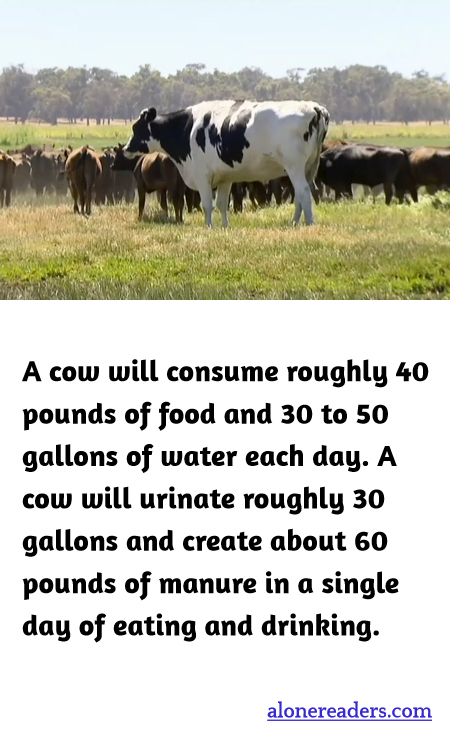
Cows are an essential part of agricultural life and the economy, playing a significant role in the dairy and beef industries. A typical cow consumes an impressive quantity of food and water daily, which is vital for its survival and productivity. On average, a cow eats about 40 pounds of feed per day, which includes a combination of grass, silage, hay, and grains. This intake can vary depending on the cow's size, breed, and whether it is lactating, which significantly increases its nutritional requirements.
In addition to solid food, a cow drinks 30 to 50 gallons of water daily. Water consumption can vary based on the cow's environment and weather conditions; for instance, during hot weather, a cow might drink more to cool down. This large water intake is crucial for the cow's digestion and milk production processes.
The natural consequence of consuming such large volumes of food and water is considerable waste production. A cow typically urinates about 30 gallons and produces around 60 pounds of manure each day. Managing this waste is a critical aspect of farm operations, impacting environmental sustainability and operational efficiency.
Manure, while voluminous, is not just waste. It is often used as fertilizer, contributing to the nutrient cycle that helps grow the crops that feed the livestock and, indirectly, humans. Manure is rich in nutrients like nitrogen, phosphorus, and potassium, which are essential for plant growth. It improves soil health by enhancing its moisture retention and reducing erosion. However, managing it responsibly is crucial as improper handling of manure can lead to environmental problems, such as water pollution from runoff that contaminates rivers, lakes, and groundwater.
Therefore, effective waste management systems are vital in farming operations. Strategies such as creating manure compost, maintaining proper lagoon systems for waste breakdown, and using advanced technology to treat and recycle farm effluent are employed to mitigate the environmental impact. These practices reflect the integration of agricultural activities with ecological responsibility, ensuring sustainability in agribusiness.
In summary, the daily consumption and waste output of a cow underscore not only the animal's role in food production but also highlight the interconnectedness of agricultural practices and environmental stewardship. By understanding and managing these aspects effectively, farmers can maintain productive operations while minimizing their ecological footprint, ensuring that cattle farming remains both economically viable and environmentally sustainable.
