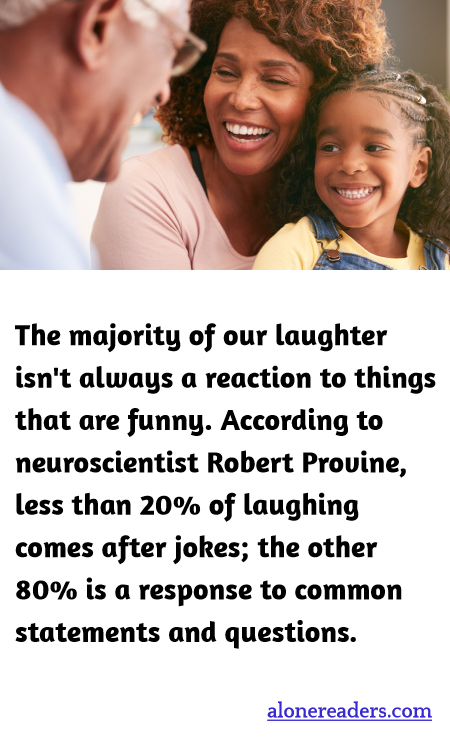
Laughter, a universal human experience, is far more about social interactions and bonding than it is solely about humor. Neuroscientist Robert Provine's research emphasizes that less than 20% of laughter is actually triggered by what we would traditionally consider "jokes." The vast majority, about 80%, occurs in everyday conversations, sparked not by punchlines but through mundane statements and typical queries. This implies that laughter serves a deeper, more intricate social function.
It turns out, laughter is less an outburst at something objectively funny and more a subtle social tool used for building relationships and easing interactions. It acts as a social signal, conveying agreement, comfort, and a shared understanding among individuals. For instance, a simple, seemingly trivial exchange at the office might be peppered with chuckles and light laughter, not because the dialogue is particularly humorous, but because it helps establish a friendly rapport and smoothen social communications.
Moreover, laughter is contagious; it possesses the power to bond individuals and unite groups. In social contexts, when one person begins to laugh, others often join in, reinforcing connections and promoting feelings of belonging. This contagion isn't merely a response to a joke but a natural human instinct to engage and interact through mimicry and shared emotion.
The prevalence of laughter in normal, everyday interactions also suggests its role in managing emotions and reducing stress. It’s a natural pacifier, helping individuals cope with anxiety and tension in social settings. The act of laughing can defuse uncomfortable situations, turning potential confrontations into opportunities for connection.
Understanding the non-humorous origins of most laughter can enhance our social interactions. By recognizing that laughter serves various communicative and emotional roles, people can be more conscious of how they use humor and laughter in social settings, potentially leading to more effective communication and stronger personal and professional relationships. This broader perspective on laughter highlights its significance as a pivotal aspect of human behavior, underlining that the chuckles and giggles peppering our daily interactions are not just reactions to jokes but fundamental tools for social bonding and emotional management.
