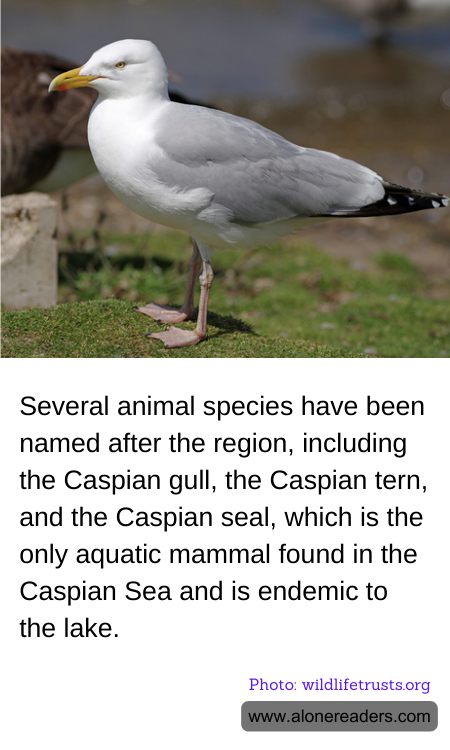
The Caspian Sea, the world's largest inland body of water, stretching between Europe and Asia, is a unique ecological zone noted not only for its size but also for its distinct biodiversity. Several animal species bear the name of this lake, highlighting their strong geographical and ecological ties to the region. Among these are the Caspian gull, Caspian tern, and the Caspian seal, each illustrating the diversity of life adapted to this specific environment.
The Caspian gull is a large species of bird in the gull family that is found around the Caspian Sea. It is similar in appearance to other gulls but is characterized by its large size, robust body, and a relatively long bill. This bird primarily feeds on fish, insects, and even small rodents, showcasing its adaptability to various food sources available in and around the Caspian Sea.
Similarly, the Caspian tern, the world’s largest tern, frequents the Caspian region. With a white body, light gray wings, and a distinctive black cap during the breeding season, these birds are known for their harsh, rasping calls and spectacular fishing technique. Caspian terns often dive to catch fish, making them incredible to watch, especially during feeding times.
Perhaps the most notable of these uniquely named species is the Caspian seal, which is the only mammal found in the Caspian Sea and is endemic to this inland water body. The Caspian seal is one of the few species of fresh-water seals in the world. Despite its robust past population, this species has seen a dramatic decline in numbers due to various factors including habitat degradation, pollution, and illegal hunting, making it a focal point for conservation efforts within the region. Typically found on the ice sheets that form during the winter, these seals rely on the icy environment for breeding and resting.
Endemic species such as the Caspian seal are particularly vulnerable to changes in their environment caused by climate change and human activities. As these changes continue to alter their habitat, the future of these species depends heavily on conservation efforts that include pollution control, habitat restoration, and legal protections against poaching. These efforts are crucial not only for the preservation of these unique species but also for maintaining the ecological balance of the Caspian region. The species named after the Caspian Sea underscore the biological richness and ecological importance of this area, serving as a reminder of the natural heritage that needs protection and sustainable management to endure through changing times.
