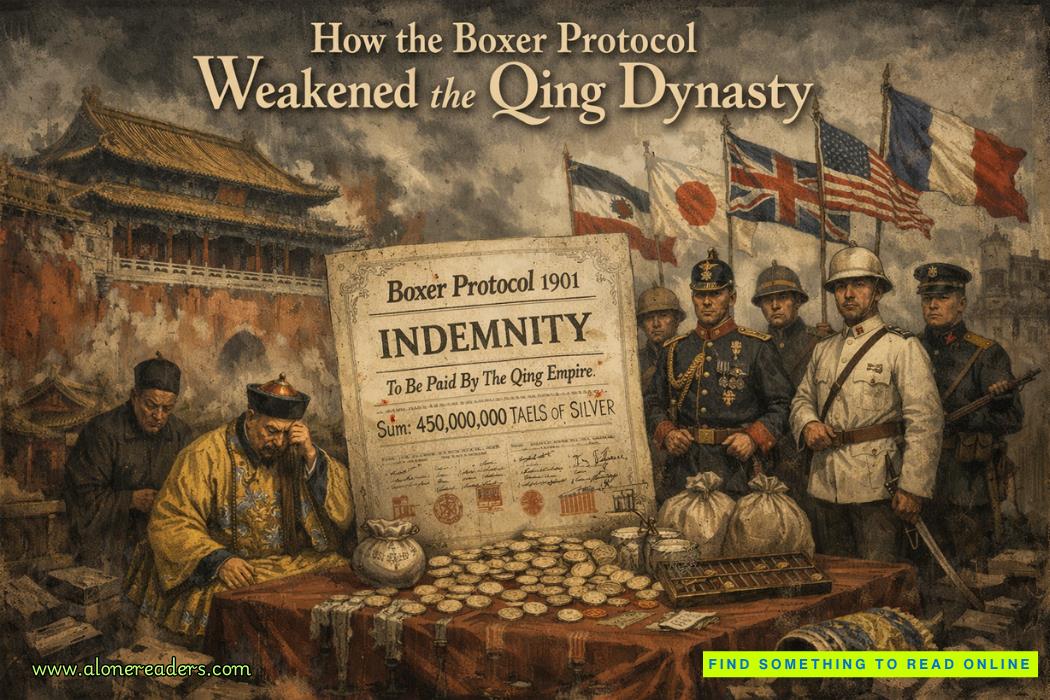
The Boxer Protocol of 1901 was not merely a punitive treaty imposed after a failed uprising; it was a structural rupture that permanently crippled the Qing Dynasty from within. While earlier unequal treaties had eroded Chinese sovereignty in stages, the Boxer Protocol represented something far more devastating—a comprehensive dismantling of imperial authority, financial autonomy, military credibility, and political legitimacy all at once. It converted the Qing state from a weakened empire into a hollowed institution struggling to survive under foreign supervision. The treaty’s consequences were not symbolic humiliations alone; they penetrated every operational layer of governance, leaving the dynasty unable to reform, resist, or command loyalty.
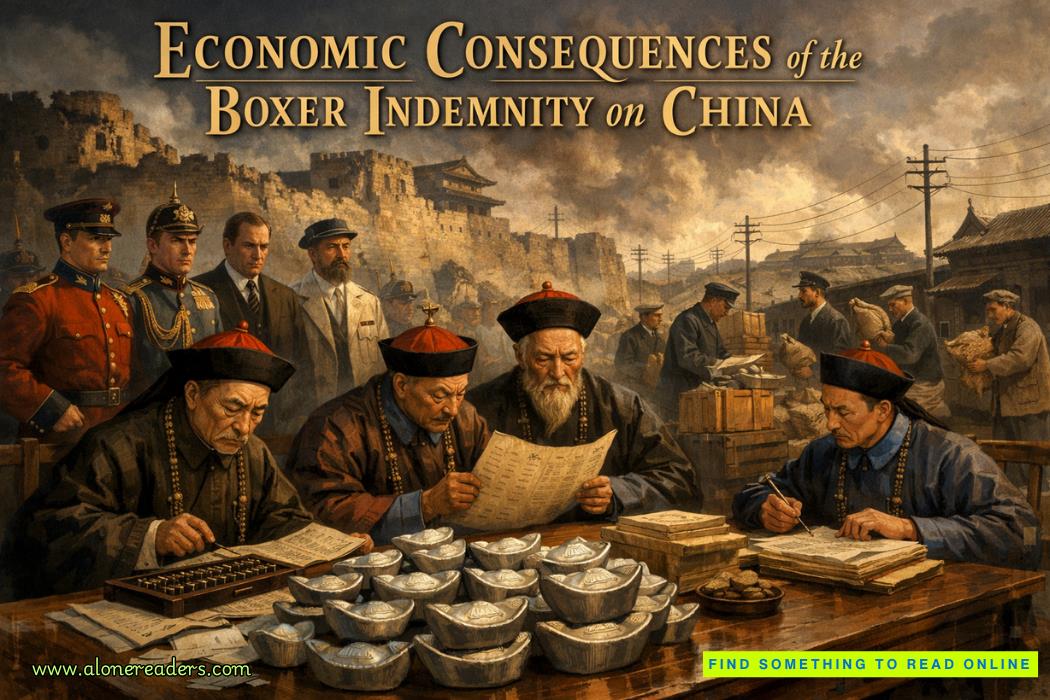
At the heart of this devastation was the unprecedented financial burden imposed upon China. The indemnity of 450 million taels of silver—payable with interest over 39 years—became an economic noose tightening annually around the imperial treasury. By the time interest was calculated, the total repayment exceeded 980 million taels, an amount far beyond the Qing government’s realistic revenue capacity. This single obligation absorbed a massive percentage of annual state income, forcing the court to divert funds away from administration, disaster relief, military modernization, and infrastructure. Provincial governors were compelled to increase taxation, aggravating already desperate rural populations and accelerating social instability.
The indemnity did more than bankrupt the state; it institutionalized dependency. Qing finances became structurally subordinate to foreign creditors, making independent fiscal policy impossible. Any attempt at reform now had to pass through the filter of indemnity payments. Economic sovereignty—the foundation of any functioning state—was effectively surrendered, turning the Qing government into a tax-collecting apparatus serving external powers rather than its own people. This fiscal paralysis ensured that even well-intentioned reforms remained underfunded, delayed, or abandoned.
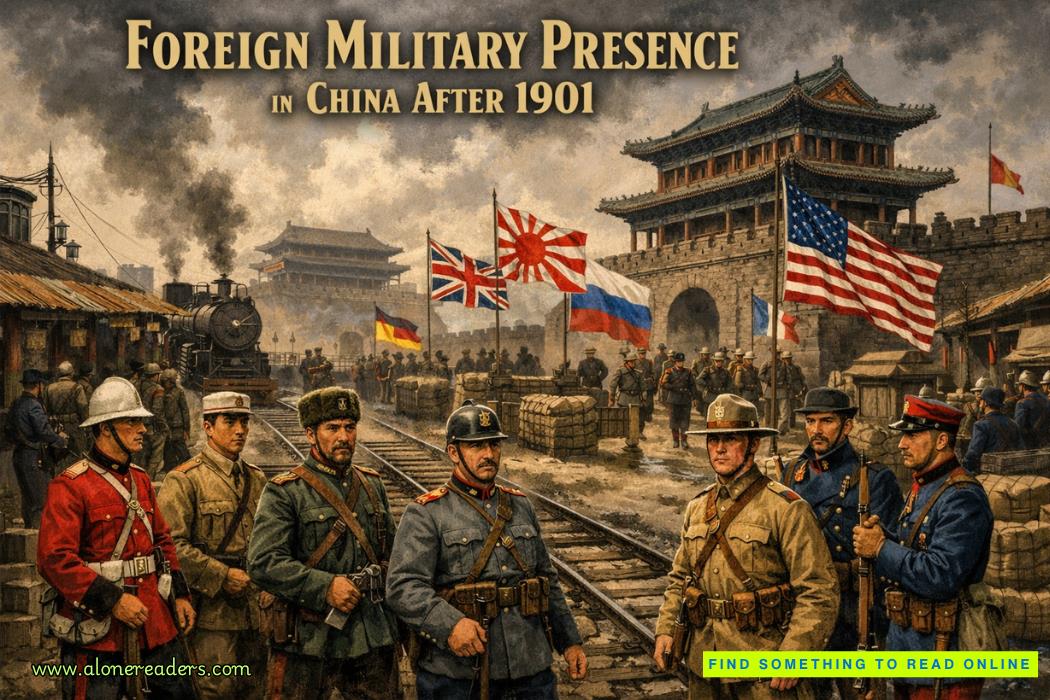
Equally destructive was the military disarmament enforced by the protocol. The Qing were prohibited from importing arms for two years, while foreign troops were permanently stationed along key routes between Beijing and the coast. Fortifications such as the Dagu Forts were destroyed, stripping China of defensive infrastructure that protected its capital. For the first time in Chinese history, foreign soldiers were legally permitted to occupy strategic zones within the empire during peacetime. This arrangement shattered the illusion of imperial territorial control and made clear that the Qing court could no longer defend its own seat of power.
This military humiliation had profound psychological consequences. The emperor and court were no longer seen as protectors of the realm but as figures tolerated by foreign powers. The symbolism was devastating: the dynasty ruled at the permission of outsiders. Provincial armies, already semi-autonomous, increasingly recognized that loyalty to the central government offered little protection or reward. The erosion of centralized command accelerated the fragmentation of authority, laying the groundwork for warlordism in the years that followed.
Politically, the Boxer Protocol annihilated imperial legitimacy. The Qing court was forced to issue formal apologies, punish officials who had supported anti-foreign resistance, and erect monuments honoring foreign soldiers who died during the conflict. These acts were not mere formalities; they conveyed a moral inversion. The dynasty was compelled to condemn its own subjects while glorifying foreign intervention. This moral collapse severed the emotional bond between ruler and ruled, especially among reformists, students, soldiers, and emerging nationalist thinkers.
The punishment of pro-Boxer officials also revealed the court’s internal contradictions. While the uprising had been partly encouraged by conservative factions within the government, responsibility was later selectively assigned under foreign pressure. This exposed the Qing leadership as politically incoherent and opportunistic. The court appeared neither principled nor powerful—only reactive and submissive. Such perceptions proved fatal in an era when political legitimacy increasingly depended on nationalist credibility.
The treaty also marked the end of meaningful diplomatic equality. Earlier treaties had been negotiated under coercion but still preserved the fiction of sovereign exchange. The Boxer Protocol eliminated even that. Negotiations occurred under occupation, with foreign armies in Beijing and imperial representatives operating under threat. China was no longer a negotiating party; it was an administered subject. This shift fundamentally altered international perceptions of China from an independent empire to a semi-colonial space open to intervention.
Within the bureaucracy, the effects were corrosive. Officials found themselves enforcing policies dictated by foreign powers while facing hostility from their own populations. Governance became an exercise in damage control rather than leadership. Corruption increased as officials sought personal security amid uncertainty. Administrative paralysis spread through ministries that no longer possessed authority or resources, accelerating institutional decay.
Ironically, the Boxer Protocol also forced the Qing into reform—but too late and under the worst possible conditions. Recognizing the dynasty’s near-collapse, the court initiated the so-called “New Policies” reforms, including modernization of education, military restructuring, and tentative constitutional planning. However, these reforms were implemented under financial exhaustion and political mistrust. Reform appeared not as visionary leadership but as panic management. The dynasty attempted transformation only after losing credibility to lead it.
Educational reforms created a new class of Western-educated elites who quickly recognized the dynasty’s impotence. Instead of strengthening loyalty, modernization widened ideological distance. Students exposed to constitutionalism, nationalism, and republicanism increasingly viewed the Qing not as reformable but as obsolete. The very reforms meant to save the dynasty produced the intellectual forces that would later overthrow it.
Social consequences were equally severe. Rural populations bore the cost of indemnities through increased land taxes and levies. Famine relief funds were redirected to foreign payments. Local resentment intensified not just against foreigners, but against the Qing state itself. Peasants no longer distinguished between imperial authority and external oppression. The dynasty came to be seen as a collaborator in national humiliation, not its victim.
The Boxer Protocol also accelerated regional autonomy. Provinces increasingly retained revenue to meet local obligations, weakening central extraction. Governors with modernized armies became de facto power holders. The Qing court, starved of funds and military leverage, could not compel compliance. China drifted toward decentralized power structures years before the formal fall of the dynasty, undermining the concept of a unified empire.
Perhaps most damaging was the psychological transformation the treaty triggered. The Boxer Rebellion had been rooted in a belief—however misguided—that spiritual resistance could repel foreign intrusion. Its crushing defeat under modern weaponry destroyed such illusions. What replaced them was not confidence in reform but despair in imperial survival. The Boxer Protocol convinced many Chinese that the Qing Dynasty had exhausted its historical mandate.
In traditional political philosophy, the “Mandate of Heaven” was not lost through defeat alone but through moral failure. By submitting to foreign domination, punishing patriotic resistance, and failing to protect the populace from economic ruin, the Qing appeared to violate that moral compact. Popular uprisings, revolutionary societies, and secret organizations found fertile ground in this climate. The treaty thus functioned as a catalyst, transforming dissatisfaction into ideological opposition.
The road from the Boxer Protocol to the 1911 Revolution was not long in historical terms, but it was inevitable in structural ones. Every pillar of imperial rule—finance, military, legitimacy, administration, unity—had been compromised simultaneously. Unlike previous crises, there was no institutional reserve left to absorb the shock. The dynasty continued to exist physically, but functionally it had already collapsed.
In retrospect, the Boxer Protocol stands as the most destructive treaty in modern Chinese history not because of its severity alone, but because of its timing. Imposed when the empire was already fragile, it eliminated any remaining margin for recovery. It converted decline into disintegration. What followed was not sudden collapse, but prolonged unraveling—an empire moving forward in time while losing substance year by year.
By the early twentieth century, the Qing state resembled a shell governing a society that had emotionally and politically moved beyond it. The Boxer Protocol ensured that when revolution finally came, there would be little resistance in its defense. The treaty did not merely weaken the Qing Dynasty—it made its survival structurally impossible.
In this sense, the Boxer Protocol was not an ending but a verdict. It formalized the loss of sovereignty, exposed the fragility of imperial institutions, and reshaped Chinese political consciousness. The fall of the Qing in 1911 was dramatic, but its fate had been sealed a decade earlier—written in silver indemnities, foreign garrisons, and the silent acknowledgment that the old order could no longer protect the nation it claimed to rule.



 The Hundred Days Offensive: How the Allies Defeated Germany in World War I
 The Second Battle of the Marne: The Turning Point of World War I in 1918
 The Spring Offensive of 1918: Germany's Final Gamble to Win World War I
 The Treaty of Brest-Litovsk: How Russia Left World War I
 The Russian Revolution and World War I: How War Brought Down the Tsar
 The Zimmermann Telegram Explained: Germany's Secret Offer to Mexico in World War I