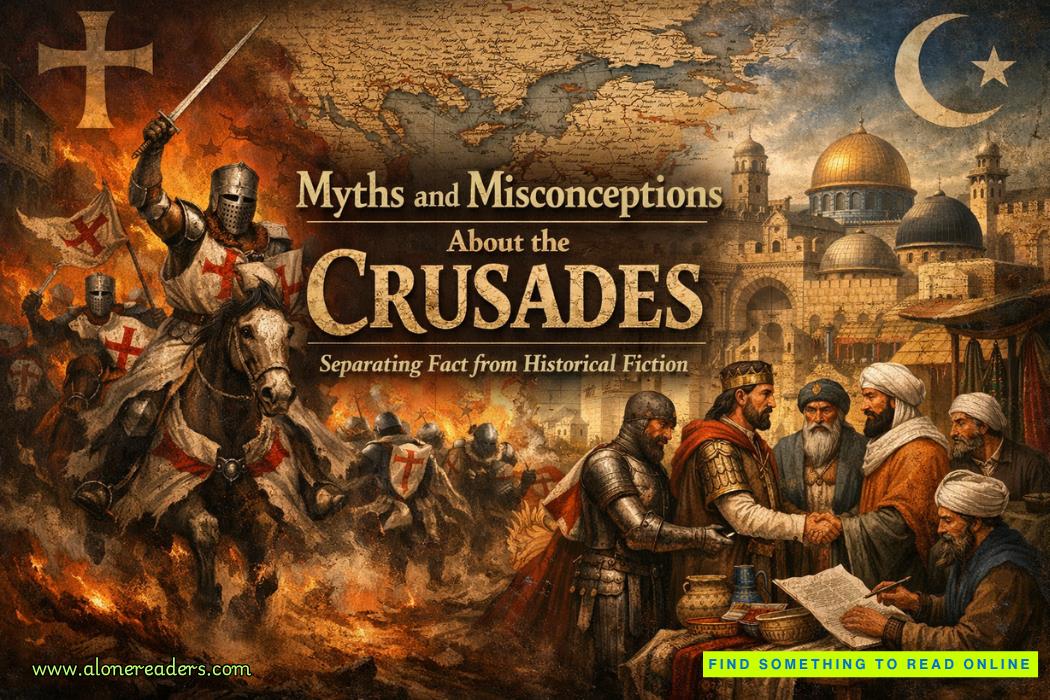
The Crusades remain one of the most debated and misunderstood episodes in medieval history. Popular culture, political rhetoric, and even some educational narratives have simplified these centuries-long conflicts into reductive binaries—Christian versus Muslim, civilization versus barbarism, holy war versus pure aggression. Yet, when examined through a rigorous historical lens, the Crusades emerge not as a monolithic series of religious wars, but as a complex, evolving phenomenon shaped by theology, geopolitics, economics, and human ambition.
One of the most persistent misconceptions is the idea that the Crusades were purely religious wars driven by blind faith. While religion undeniably played a central role, reducing the Crusades to simple acts of religious fanaticism ignores the broader structural context of medieval Europe. The First Crusade, launched in 1095, followed a call from Pope Urban II, but this call must be understood within the framework of papal authority, internal European violence, and Byzantine political strategy. The papacy sought not only to reclaim Jerusalem but also to consolidate its influence over Christendom and redirect the aggression of feudal knights outward. For many participants, motivations were layered—spiritual salvation, material gain, social advancement, and even personal redemption intertwined.
Another widely accepted myth is that all crusaders were noble knights motivated by piety. In reality, the composition of crusading forces was highly heterogeneous. While aristocratic knights played a visible role, a significant portion of crusaders were peasants, artisans, and opportunists. The so-called “People’s Crusade” illustrates this vividly—an unorganized movement of common people, many of whom lacked military training and perished before even reaching the Holy Land. Moreover, the idea that crusaders were uniformly devout collapses under scrutiny. Many were driven as much by the prospect of land, wealth, and status as by religious conviction.
Equally misleading is the portrayal of the Crusades as a straightforward clash between Christianity and Islam. This binary narrative obscures the intricate alliances and conflicts that crossed religious lines. For instance, Byzantine Christians often found themselves at odds with Latin crusaders, despite sharing the same broader faith tradition. Similarly, Muslim rulers were not always united; internal divisions within the Islamic world significantly shaped the course of the Crusades. At times, alliances formed across religious boundaries, driven by pragmatic considerations rather than ideological purity.
The notion that the Crusades were an unprovoked act of European aggression against a peaceful Islamic world is another oversimplification. While the Crusades did involve significant violence and expansionism, they must be contextualized within centuries of prior interaction between Christian and Muslim powers. By the late 11th century, much of the eastern Mediterranean, including historically Christian territories, was under Muslim control. The Byzantine Empire, facing territorial losses, appealed to Western Europe for military assistance. Thus, the Crusades can also be interpreted as a response—albeit a highly aggressive one—to shifting geopolitical realities. This does not justify the violence but complicates the narrative of unilateral aggression.
One of the most enduring and emotionally charged misconceptions is the belief that the Crusades were uniquely brutal compared to other conflicts of the time. While it is true that atrocities occurred—most notably during the capture of Jerusalem in 1099—such violence was not exceptional by medieval standards. Warfare in the Middle Ages, regardless of religious context, was often characterized by brutality, looting, and civilian suffering. To single out the Crusades as uniquely savage risks imposing modern moral frameworks selectively on historical events. Understanding this context is essential to avoid anachronistic judgments while still acknowledging the human cost.
The idea that the Crusades were a continuous, unified campaign is also misleading. In reality, they spanned nearly two centuries and consisted of multiple expeditions with varying objectives, participants, and outcomes. The First Crusade was relatively successful in establishing Crusader states, but subsequent crusades often failed or diverged significantly from their original goals. The Fourth Crusade, for example, famously resulted in the sack of Constantinople—a Christian city—highlighting the extent to which political and economic interests could override religious intentions.
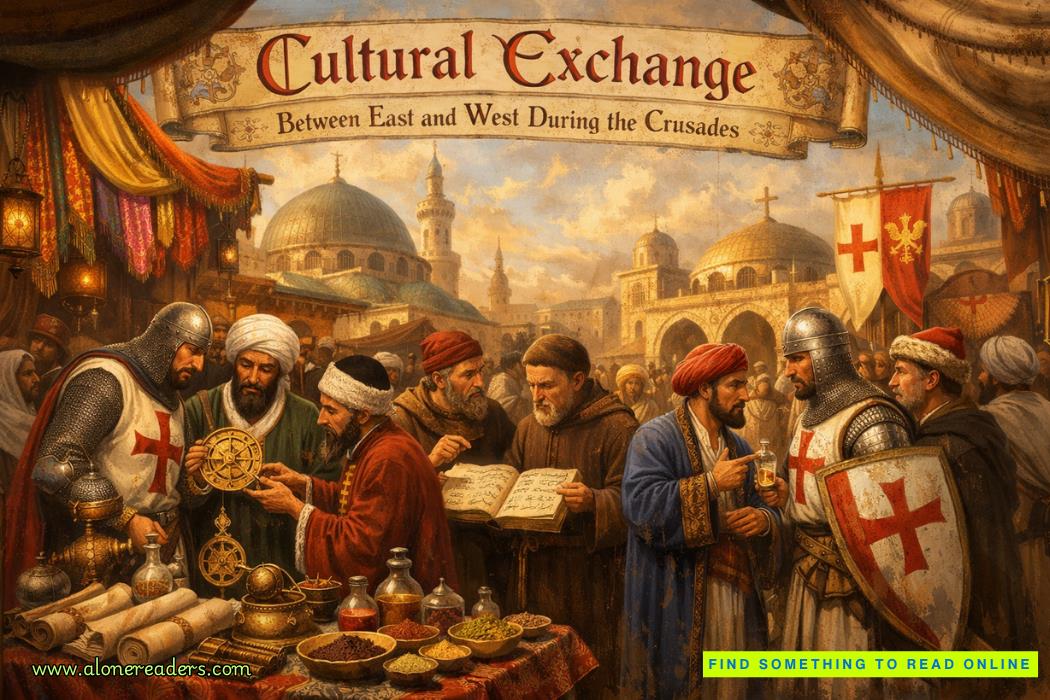
Another common myth is that the Crusades created a permanent and unbridgeable divide between the Christian and Muslim worlds. While the conflicts certainly contributed to mutual hostility, they also facilitated cultural exchange. Trade routes expanded, knowledge was transmitted, and interactions between different societies increased. European exposure to advanced Islamic scholarship in fields such as medicine, mathematics, and philosophy had lasting impacts. The Crusades were not only a story of conflict but also one of contact and transformation.
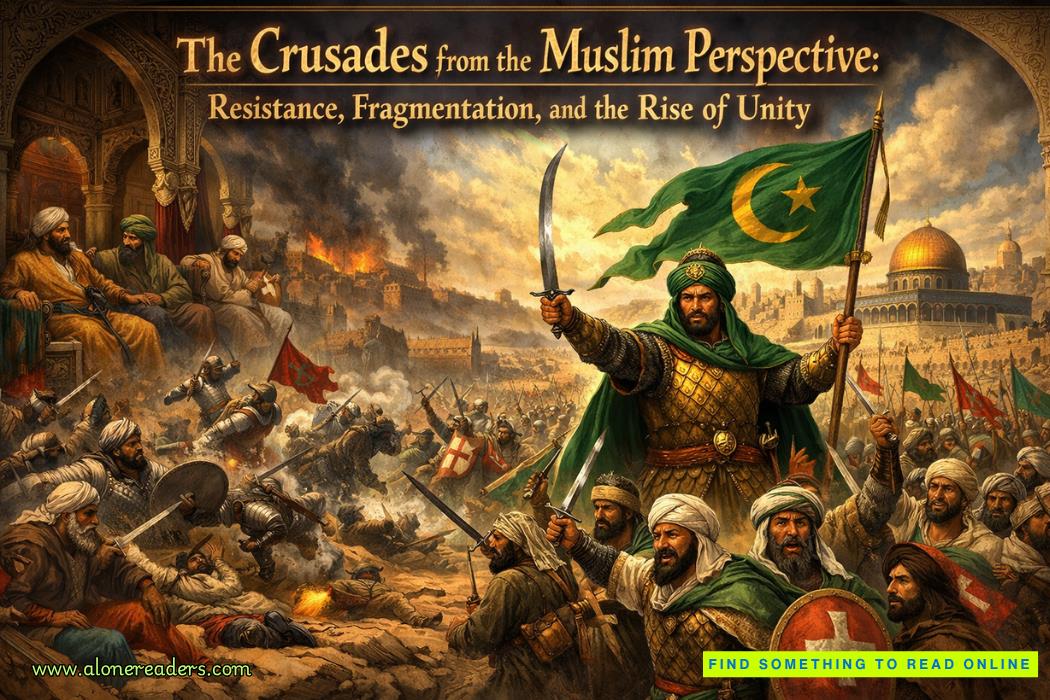
The portrayal of crusaders as either heroic defenders of faith or barbaric invaders reflects modern ideological biases rather than historical reality. In medieval Europe, crusading was framed as a penitential act, offering spiritual rewards such as the remission of sins. However, this theological framework coexisted with very human behaviors—greed, ambition, fear, and loyalty. Similarly, Muslim perspectives on the Crusades evolved over time. Initially, the crusaders were seen as just another group of foreign invaders, but later narratives emphasized resistance and unity. Both sides constructed meanings around the Crusades that served their respective cultural and political needs.
A particularly modern misconception is the use of the term “crusade” as a direct analogy for contemporary conflicts. This rhetorical appropriation often strips the historical Crusades of their complexity and repurposes them for ideological agendas. In reality, the medieval Crusades were embedded in a specific social, धार्मिक, and political context that does not translate neatly into the modern world. Using the term without nuance risks distorting both past and present.
It is also important to address the myth that the Crusades were universally supported within Europe. In fact, there was significant dissent and debate. Some rulers were reluctant to participate, while others used crusading as a tool for internal politics. The logistical challenges of organizing and sustaining long-distance campaigns were immense, and not all expeditions enjoyed widespread enthusiasm. The Crusades were as much a product of negotiation and compromise as of zeal and conviction.
Another overlooked dimension is the impact of the Crusades on non-combatant populations, particularly Jewish communities in Europe. During the early phases of the First Crusade, several Jewish communities were targeted in violent pogroms by crusading groups. These events highlight the extent to which crusading fervor could be redirected toward local minorities. This aspect complicates any attempt to frame the Crusades solely as external conflicts.
The misconception that the Crusades were ultimately successful in achieving their goals is also worth challenging. While the First Crusade achieved its immediate objective, the long-term sustainability of Crusader states was limited. By the late 13th century, Muslim forces had reconquered most of the territories held by crusaders. From a strategic perspective, the Crusades can be seen as a series of temporary gains followed by eventual decline.
At a deeper level, the myths surrounding the Crusades reveal as much about modern perspectives as they do about medieval history. Simplified narratives—whether glorifying or condemning—often serve contemporary purposes, shaping identities and political discourse. However, such narratives come at the cost of historical accuracy. The Crusades were not a single story but a tapestry of interconnected events, motivations, and consequences.
To understand the Crusades properly requires moving beyond binaries and embracing complexity. They were simultaneously religious and political, violent and transformative, divisive and connective. They involved not only Christians and Muslims but also Jews, Byzantines, and numerous other groups. They were driven by faith but also by ambition, fear, and opportunity.
In dismantling the myths and misconceptions, what emerges is a more nuanced and human picture. The Crusades were not an aberration in history but a reflection of the world in which they occurred—a world where religion and politics were inseparable, where violence was a common instrument of power, and where individuals navigated competing loyalties and aspirations.
Recognizing this complexity does not diminish the significance of the Crusades; rather, it enhances our understanding of them. It allows us to see beyond stereotypes and appreciate the intricate dynamics that shaped one of the most consequential periods in medieval history.



 The Hundred Days Offensive: How the Allies Defeated Germany in World War I
 The Second Battle of the Marne: The Turning Point of World War I in 1918
 The Spring Offensive of 1918: Germany's Final Gamble to Win World War I
 The Treaty of Brest-Litovsk: How Russia Left World War I
 The Russian Revolution and World War I: How War Brought Down the Tsar
 The Zimmermann Telegram Explained: Germany's Secret Offer to Mexico in World War I