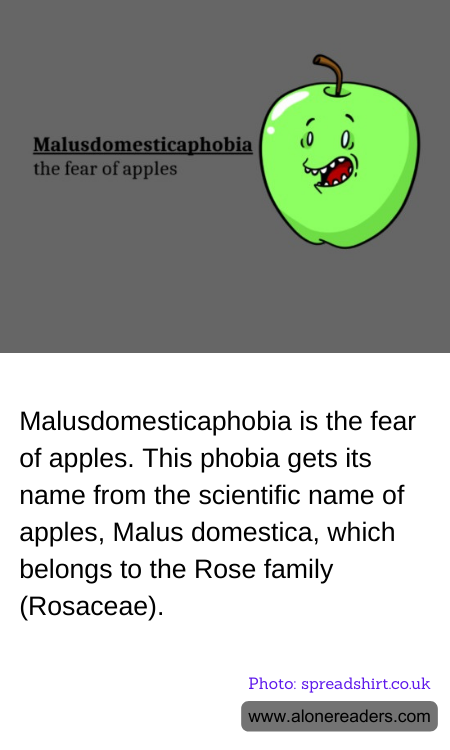
Malusdomesticaphobia is an exceptionally rare phobia that involves an irrational fear of apples. Stemming from the scientific name of apples, Malus domestica, which are part of the Rosaceae or Rose family, the phobia captures intense, often inexplicable anxiety provoked by the sight, thought, or sometimes even the mention of apples. Understanding the root of malusdomesticaphobia requires delving into the complex workings of phobias generally, which are more than mere fears—they are intense, sometimes debilitating responses to specific stimuli that the sufferer often recognizes as irrational.
The manifestations of malusdomesticaphobia can vary dramatically from one individual to another but typically include both physical and psychological symptoms. Physically, a person might experience shaking, rapid heartbeat, sweating, or nausea when exposed to apples. Psychologically, this phobia can evoke feelings of dread, anxiety, or panic. The mere presence of apples in a grocery store or seeing them on television could trigger these responses. In severe cases, the phobia can lead to avoidance behaviors that significantly impact a person’s daily life—for example, avoiding supermarkets altogether or experiencing intense anxiety at the sight of apple orchards.
The causes of malusdomesticaphobia, like many other specific phobias, are not entirely understood. Phobias can sometimes be traced back to traumatic events, genetically inherited predispositions, or learned responses from early childhood. Someone with malusdomesticaphobia might have experienced a negative incident involving an apple—perhaps a choking scare or an allergic reaction—that their mind later transformed into a generalized fear. Alternatively, it could arise without any obvious precipitating event, emerging from broader anxiety patterns.
Treatment for malusdomesticaphobia typically involves psychological counseling, such as cognitive-behavioral therapy (CBT), which helps individuals reframe and rationalize their thoughts concerning the object of their fear. Exposure therapy, where the person is gradually and systematically exposed to the object of their fear—in this case, apples—might also be effective. This controlled exposure helps desensitize the individual to the object, reducing the fear response over time.
Although rare, malusdomesticaphobia is a valid psychological condition that can cause significant distress and hinder the everyday functioning of those who suffer from it. Recognition and understanding by others are crucial, as is professional help in seeking to overcome this fear. Support from friends and family, combined with appropriate therapeutic interventions, can significantly improve the quality of life for those dealing with this unusual yet impactful phobia.
