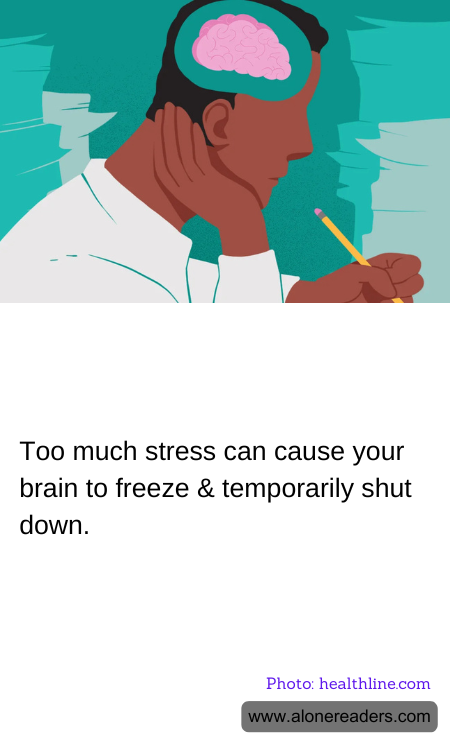
Experiencing stress is a natural part of life, but excessive stress can have serious implications on our mental and physical health, including the phenomenon commonly referred to as "brain freeze" or, more technically, cognitive shutdown. This is not to be confused with the sudden headache you might experience from eating something cold too quickly; rather, it refers to a mental state where one finds themselves temporarily unable to think, make decisions, or act effectively.
Under high stress, the brain’s prefrontal cortex, responsible for higher-order thinking and decision-making, can become impaired. This is because stress triggers the body's fight-or-flight response, a basic survival mechanism. When this is activated, the body conserves energy by prioritizing functions vital for immediate survival and reducing the resources available for complex thinking processes. This physiological change is facilitated by the release of stress hormones such as cortisol and adrenaline, which prepare the body to respond to a threat by increasing heart rate, blood pressure, and energy supplies.
In short spurts, these reactions are helpful, as they help a person manage potentially threatening situations. However, if the stress response is prolonged, it can lead to cognitive dysfunction. The sustained presence of stress hormones in the brain can impair cognitive functions such as memory, attention, and creativity, and can make a person feel as though their brain has "shut down." For instance, during an intense moment such as a critical work presentation or in a high-pressure exam, an individual might find it exceptionally hard to focus or recall information, leading to a performance that does not reflect their true capabilities.
Furthermore, chronic stress can lead to long-term detrimental effects on brain structure and function. Research shows that prolonged exposure to cortisol can cause the death of brain cells and reduce the connectivity between neurons, further complicating the brain's capacity to process information and handle stress in the future.
To mitigate these effects, incorporating stress management techniques into daily life is vital. Regular physical activity, mindfulness practices like meditation, adequate sleep, and a balanced diet can help in managing stress levels, thereby improving cognitive function during high-pressure moments. Engaging in hobbies and maintaining social connections can also provide emotional relief and strengthen the resilience of the brain against stress.
Understanding the impact of excessive stress on your brain reinforces the importance of taking proactive steps towards managing stress effectively. By doing so, individuals can preserve their mental agility and overall health, thereby enhancing their quality of life.
