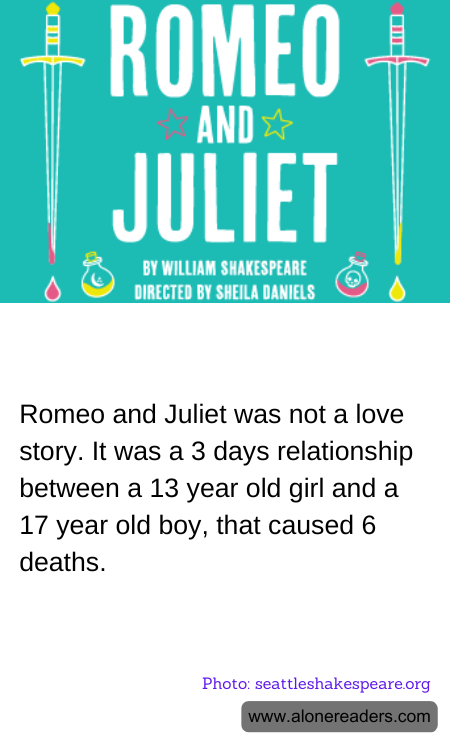
"Romeo and Juliet," the classic play penned by William Shakespeare, is often celebrated as a quintessential romantic tragedy, portraying the intense love between two young individuals. The narrative, however, opens up to deeper interpretations when examined through a critical lens. The relationship between Juliet, who is notably around 13 years old, and Romeo, who is slightly older, spans a brief three days, within which they declare love, marry in secret, and ultimately meet a tragic end. This whirlwind romance, set against a backdrop of family hatred and societal dysfunction, raises questions about the nature of their attachment.
To dismiss their connection as mere infatuation might overlook the depth of emotion and the palpable chemistry that Shakespeare skillfully communicates through his verse. However, it's crucial to consider the maturity and the impulsiveness associated with young love, which can often mistake intense passion for lasting love. This perspective is what leads some to challenge the view of the play as a pure love story, suggesting instead that it represents an exploration of youthful passion, the consequences of hasty decisions, and the tragic outcomes of an inherited feud.
The play’s brief timeline, where major events including multiple deaths unfold rapidly, further underscores the precipitous nature of the decisions made by the young lovers and their families. By the play's conclusion, six lives are lost, including those of Romeo and Juliet, which could be seen as the fallout from unchecked emotions and familial disputes rather than the celebration of a romantic ideal. These events pivot more on tragic impulsiveness and the relentless speed at which the protagonists hurtle towards their demise, rather than on a sustainable or mature relationship.
In considering "Romeo and Juliet" beyond a love story, it serves as a commentary on the impulsivity of youth and its potential consequences, the devastating impacts of familial conflict, and the societal pressures that drive individuals to drastic measures. It challenges the readers or viewers to reflect on the dynamics of their relationships and the rapid choices often romanticized in youth. Thus, while the enduring appeal of Romeo and Juliet’s tale is undeniable, viewing it solely as a romance might underestimate its capacity to provoke thought on broader themes of rashness, fate, and the destructive capacities of age-old enmities.
