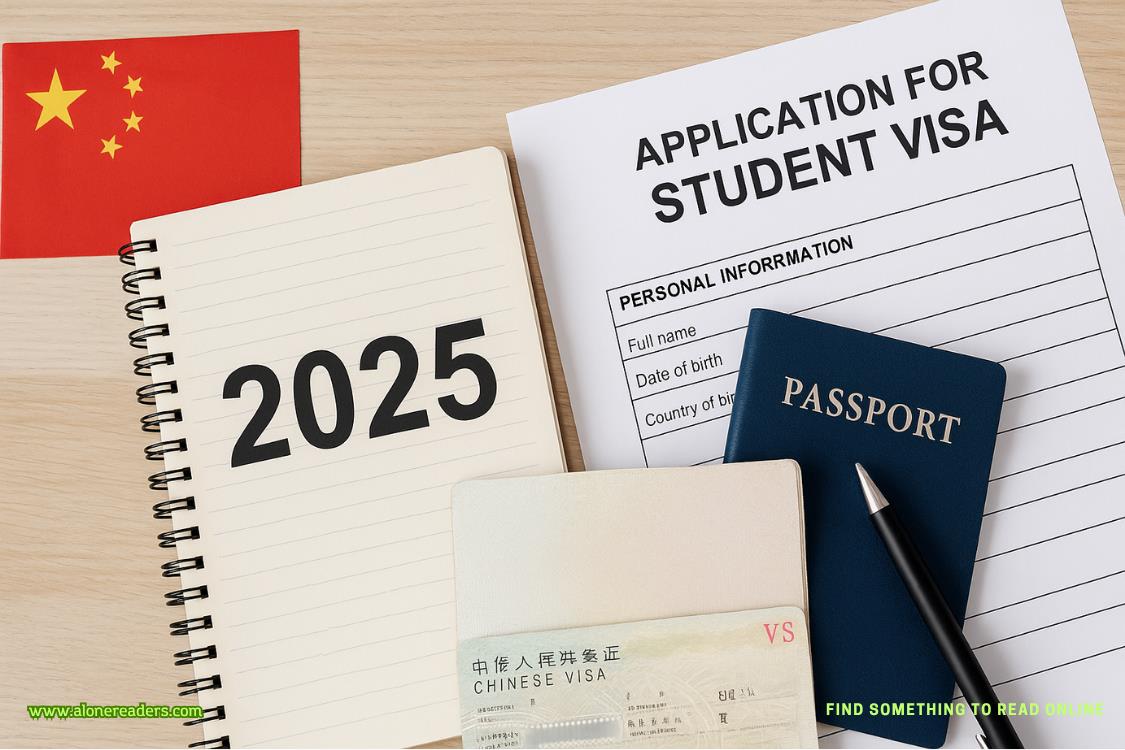
China remains a top destination for international students in 2025, with world-class universities, a diverse academic environment, and increasing English-taught programs. However, obtaining a China student visa—officially known as the X visa—can be intricate, with a process that is frequently updated to match policy changes and security protocols. Understanding the current, detailed requirements for the China student visa is crucial to avoid delays, rejections, or legal issues. This article provides an expert guide to every step, from eligibility to final arrival, ensuring you’re prepared for your studies in China.
Types of Student Visas
Key Differences
Who Can Apply?
Financial Sufficiency
1. Valid Passport
2. Visa Application Form (Form JW201 or JW202 and Form V.2013)
3. Admission Letter from a Chinese University
4. Recent Passport-Sized Photos
5. Proof of Financial Means
6. Medical Examination Certificate (Physical Examination Record for Foreigners)
7. Proof of Accommodation in China
8. Police Clearance Certificate
9. Flight Booking or Travel Itinerary
10. Additional Documents (if applicable)
Step 1: Secure University Admission
Step 2: Prepare Your Documents
Step 3: Complete the Online Visa Application (Form V.2013)
Step 4: Book an Appointment at the Chinese Embassy or Visa Center
Step 5: Submit Application and Attend Interview
Step 6: Await Processing
Step 7: Collect Passport and Visa
Step 8: Pre-Departure Preparation
Residence Permit Application (for X1 Visa Holders)
Accommodation Registration
Tighter Financial Checks
In 2025, Chinese embassies now verify bank statements more strictly, requiring notarized proof and/or online verification for major scholarships.
Health Insurance Requirement
Mandatory purchase of comprehensive health insurance (minimum coverage: RMB 400,000/year) before residence permit is issued.
Digital Applications and Biometrics
More Scrutiny on Previous Visa History
Applicants with prior China visa rejections or overstays face additional interviews or documentation requests.
Submitting Incomplete or Incorrect Documents
Not Notarizing Translations or Certificates
Non-English/Chinese documents must be translated by certified translators and notarized.
Ignoring Health or Police Certificate Requirements
These are non-negotiable for long-term visas and delays are common if omitted.
Last-Minute Applications
Apply at least 1–2 months before travel, considering possible embassy processing delays or requests for additional documents.
Can I work while on a student visa in China?
Work is not permitted on X2 visas. X1 holders can apply for internships or part-time work with university and PSB approval.
How long is the X1 visa valid before conversion?
X1 visas are usually valid for 30 days upon entry and must be converted to a residence permit.
Is it possible to bring family dependents?
Spouses and children can apply for S1/S2 visas if the main applicant holds a valid residence permit.
What happens if I overstay my visa?
Overstaying leads to heavy fines, possible detention, and bans from re-entry.
Obtaining a China student visa in 2025 involves more than submitting a basic form—it requires careful preparation, attention to updated requirements, and full compliance with both Chinese and home country regulations. By gathering the correct documents, demonstrating financial readiness, and understanding both pre-departure and post-arrival steps, you ensure a smooth transition to studying in China. Always consult the specific requirements of your local Chinese embassy or consulate, as procedures can differ by country and may change without notice.



 Qatar Temporary Work Visa 180 Days 2026: Complete Eligibility, Application Process, Documents, Costs, Extension Rules, and Employment Guide
 Canada Intra-Company Transfer Work Permit 2026: Complete Guide to Eligibility, Requirements, Application Process, and Employer Responsibilities
 UK Study English Language Visa 2026: Complete Guide to Eligibility, Requirements, Costs, Application Process, and Student Life
 UK Expansion Worker Visa Intra-Company 2026: Complete Guide to Eligibility, Sponsorship, Costs, Business Expansion, and Application Process
 High-End Talent Category A Work Permit China 2026: Complete Eligibility, Benefits, Application Process, and Expert Guide
 Cultural Activities Visa Japan 2026 Guide: Complete Eligibility, Requirements, Application Process, and Expert Tips