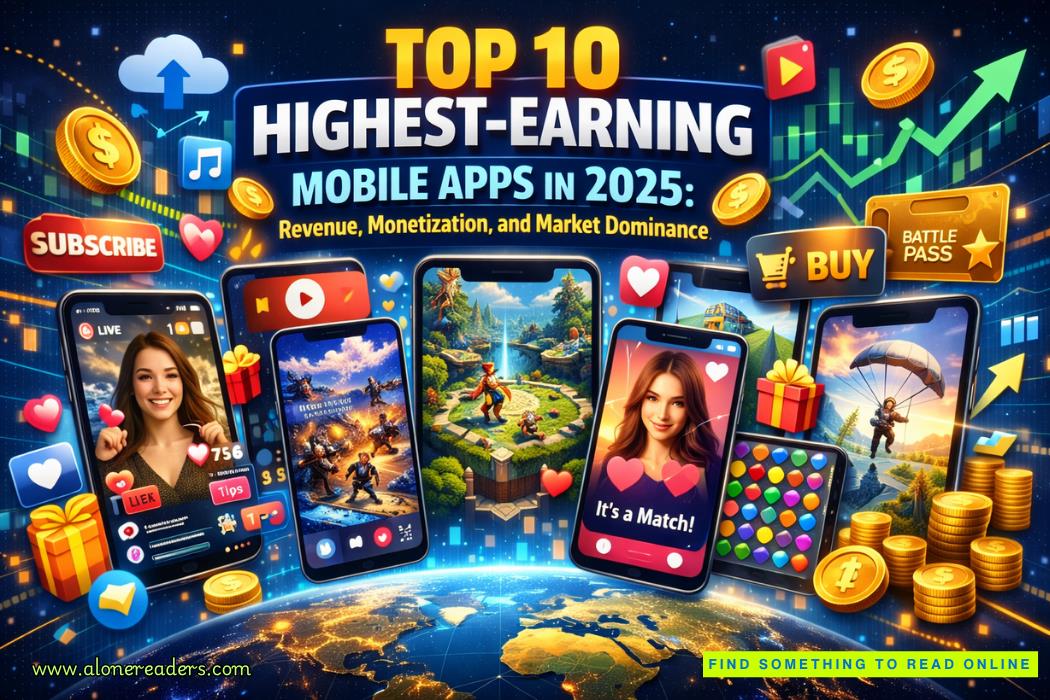
The global mobile app economy in 2025 is defined not merely by downloads, but by deep monetization efficiency, subscription optimization, live-ops mastery, and ecosystem lock-in. The top-grossing apps this year are not accidental successes; they are platforms engineered around behavioral economics, real-time analytics, lifetime value (LTV) optimization, and continuous content iteration.
The following ten apps represent the apex of mobile monetization strategy in 2025. Their revenues—ranging from roughly $800 million to nearly $3 billion—reflect not only scale, but structural monetization design. They dominate either through digital goods, subscription bundling, advertising leverage, or hybrid models that blend all three.
Below is a deep analysis of the highest-earning mobile apps in 2025 and the mechanisms driving their financial performance.
Category: Short-video / Social
Monetization Architecture
TikTok leads global mobile revenue through a sophisticated blend of:
Unlike traditional ad-dependent platforms, TikTok’s mobile revenue dominance is heavily influenced by micro-transactional gifting behavior, particularly in live streams. Users purchase digital coins, convert them into virtual gifts, and send them to creators. This creates a real-time digital tipping economy at massive scale.
In 2025, TikTok also leverages:
The platform’s engagement density—time spent per user per day—is among the highest in the industry. This translates directly into monetization headroom.
Category: Video Platform
Revenue Model Diversification
YouTube remains one of the most financially resilient apps because of:
The mobile app acts as a gateway to the broader YouTube ecosystem. Premium subscription penetration continues to rise globally, particularly in markets with strong broadband and mobile consumption patterns.
YouTube’s strength lies in:
It benefits from recurring subscription stability, making it less volatile than purely transactional apps.
Category: MOBA Game
Live-Ops Monetization Mastery
Honor of Kings continues to dominate, particularly in China. Its monetization is built around:
Tencent’s expertise in live-ops means the game continuously refreshes:
Its revenue profile is heavily driven by high-value cosmetic spenders rather than gameplay paywalls. Competitive integrity remains intact while monetization is cosmetic-centric.
Category: Casual Game
Event-Driven Revenue Acceleration
Monopoly GO! exemplifies modern casual monetization design:
The game exploded by transforming a familiar board IP into:
Its revenue strategy hinges on high-frequency monetization prompts tied to psychological reward loops.
Category: Puzzle (Match-3)
High UA + Monetization Efficiency
Royal Match combines:
The match-3 genre is mature, yet Royal Match thrives because of:
Its business model depends on micro-spend scale, not whale concentration.
Category: Dating
Tiered Subscription Monetization
Tinder remains one of the top non-gaming earners through:
Dating apps monetize through visibility optimization. Users pay for:
The app’s success in 2025 reflects:
Category: Streaming
Disney+ continues leveraging:
Mobile remains a major access channel for subscriptions. In emerging markets, mobile-first streaming adoption drives recurring revenue.
Its monetization stability comes from:
Category: Cloud / Utility
Subscription Utility Lock-In
Google One is a case study in ecosystem monetization:
It monetizes digital infrastructure dependency rather than entertainment.
Users subscribe because:
This makes revenue highly predictable and resilient.
Category: UGC Gaming Platform
Roblox thrives through:
The genius of Roblox is its user-generated content engine. Players create worlds; players monetize worlds.
Mobile revenue remains massive because:
Category: Battle Royale
PUBG Mobile remains strong despite genre maturity.
Revenue sources include:
Its monetization durability reflects:
It proves that even mature battle royale titles can sustain billion-dollar revenue with disciplined live-ops strategy.
Across all ten apps, clear patterns emerge:
1. Recurring Revenue Dominance
Subscriptions and season passes provide predictable income streams.
2. Cosmetic Monetization Over Pay-to-Win
Top games avoid breaking competitive balance.
3. Live-Ops as Revenue Engine
Event calendars are revenue calendars.
4. Ecosystem Lock-In
Cloud storage and streaming platforms rely on switching friction.
5. Behavioral Economics Integration
Timed offers, scarcity, and reward loops drive conversion.
The 2025 leaderboard shows that mobile revenue leadership is no longer about simple scale. It is about:
The highest-earning apps are not merely products—they are monetization ecosystems engineered for long-term value extraction and retention durability.
For developers, the lesson is clear: sustainable billion-dollar success requires:
The mobile economy in 2025 is mature, competitive, and highly optimized. Yet as these top-earning apps demonstrate, there is still enormous revenue potential for platforms that master engagement, retention, and monetization science simultaneously.



 Top 10 Highest-Paid Professions in the United States (2025): Salaries, Roles, and Career Paths
 Top 10 Largest U.S. Companies by Revenue in 2025 (Fortune 500 Analysis)
 Top 10 Highest-Earning Global Tech Companies in 2025: Revenue, Strategy, and Market Power
 ZombieAgent: Inside the Zero-Click AI Attack That Turns ChatGPT Agents into Persistent Data-Leaking Zombies
 China’s Urban Air Is a Hidden Plastic Reservoir: Inside the Microplastic Clouds Over Megacities
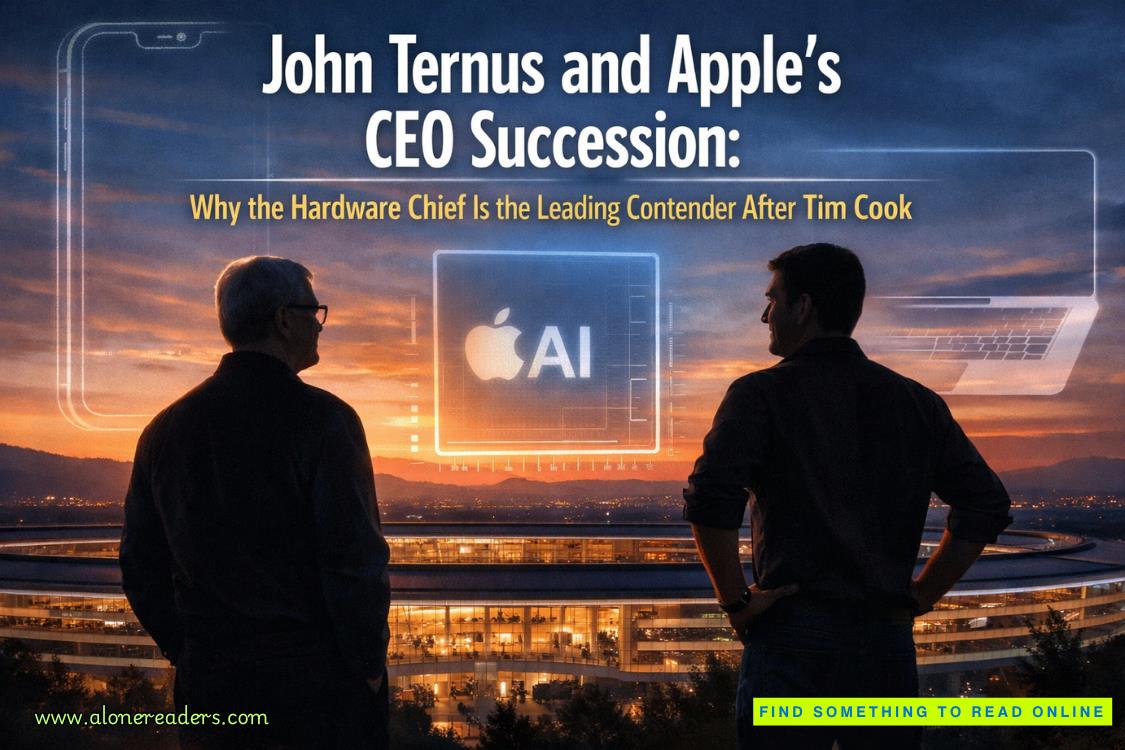 John Ternus and Apple’s CEO Succession: Why the Hardware Chief Is the Leading Contender After Tim Cook