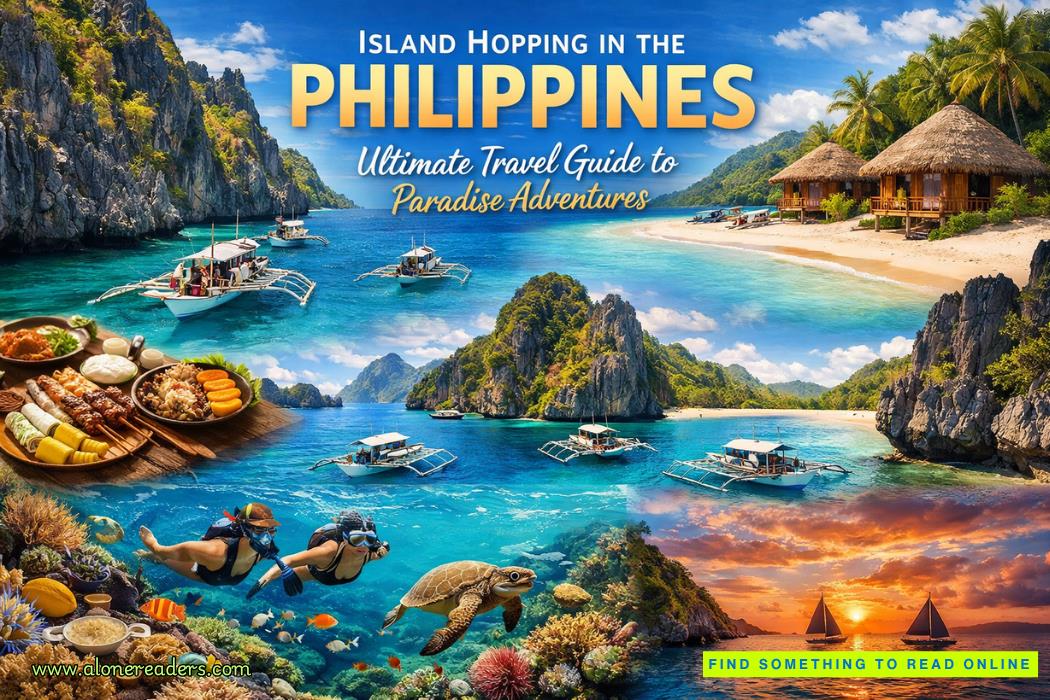
The Philippines is an archipelagic nation composed of more than 7,600 islands scattered across the western Pacific Ocean. Its geography alone defines its identity: a country where land and sea are inseparably linked, and where coastal ecosystems shape both culture and economy. Island hopping is not merely a recreational activity here—it is a logistical necessity transformed into a world-class travel experience.
From a geographical and ecological standpoint, the Philippines offers one of the most diverse marine environments globally, featuring coral triangle biodiversity, karst limestone formations, mangrove forests, and volcanic islands. These characteristics make island hopping a structured exploration of multiple micro-environments rather than a single destination visit. For travelers seeking both natural beauty and spatial variety within a limited timeframe, this activity provides unmatched value.
Overview:
El Nido is widely considered the epicenter of island hopping in the Philippines. It features dramatic limestone cliffs, hidden lagoons, and pristine beaches.
Key Attractions:
Big Lagoon and Small Lagoon: Calm, emerald waters enclosed by towering karst cliffs
Secret Beach: Accessible only through a narrow rock opening
Shimizu Island: Known for snorkeling and vibrant coral reefs
Tour Cost:
Standard island hopping tours (Tour A, B, C, D): $25–$40 per person
Overview:
Coron is more rugged and less commercialized than El Nido, famous for its underwater shipwrecks and crystal-clear lakes.
Key Attractions:
Kayangan Lake: Often cited as one of the cleanest lakes in Asia
Twin Lagoon: A mix of saltwater and freshwater layers
WWII Shipwrecks: Ideal for diving enthusiasts
Tour Cost:
Island hopping and lake tours: $30–$50 per person
Overview:
Boracay offers a balance between island hopping and luxury tourism.
Key Attractions:
White Beach: Powdery white sand with calm waters
Puka Shell Beach: Less crowded, more natural setting
Crystal Cove Island: Small caves and scenic viewpoints
Tour Cost:
Island hopping tours: $20–$35 per person
Overview:
Cebu combines marine biodiversity with accessibility.
Key Attractions:
Hilutungan Island: Marine sanctuary for snorkeling
Nalusan Island: Sandbar and clear waters
Moalboal Sardine Run: Massive sardine schools near shore
Tour Cost:
Island hopping tours: $25–$45 per person
International Access
Most travelers arrive via Manila (Ninoy Aquino International Airport) or Cebu (Mactan-Cebu International Airport).
Estimated Cost:
International flights (Asia-Pacific region): $300–$900 round trip
Flights and ferries connect major island hubs.
Manila to El Nido: $60–$120 (flight)
Manila to Coron: $70–$130 (flight)
Cebu to nearby islands: $20–$80 (flight/ferry)
Budget airlines include Cebu Pacific and AirAsia.
Budget Stays
Hostels and guesthouses are widely available.
Cost: $10–$25 per night
Mid-Range Hotels
Comfortable hotels with basic amenities.
Cost: $40–$100 per night
Luxury Resorts
Beachfront villas and premium resorts.
Cost: $150–$400+ per night
The Philippines offers a mix of seafood, Spanish-influenced dishes, and local street food.
Popular Foods:
Grilled Seafood: Fresh fish, squid, shrimp ($5–$15 per meal)
Lechon (roast pig): A national specialty ($6–$12 per serving)
Adobo: Chicken or pork in soy-vinegar sauce ($4–$8)
Halo-halo: Mixed dessert with ice and fruits ($2–$5)
Daily Food Budget: $10–$30
Budget Traveler (5–7 days):
Flights: $400
Accommodation: $100
Food: $100
Tours: $120
Transport: $80
Total: ~$800
Mid-Range Traveler:
Total: ~$1,200–$1,800
Luxury Traveler:
Total: $2,500+
Weather Awareness:
Best time: November to May (dry season). Avoid typhoon season (June–October).
Health and Safety:
Use reef-safe sunscreen to protect marine life
Drink bottled or filtered water
Carry basic first aid supplies
Cash and Payments:
Many small islands are cash-based. ATMs are limited outside major towns.
Environmental Responsibility:
Avoid touching coral reefs
Do not litter—many islands are protected ecosystems
Boat Safety:
Always wear life jackets during island hopping tours
Island hopping in the Philippines is not just about visiting beaches—it is a systematic exploration of diverse marine landscapes within short distances. Each island offers a distinct geological and ecological identity, from limestone karsts to coral gardens and volcanic formations.
This layered diversity, combined with relatively low travel costs and high accessibility, positions the Philippines as one of the most efficient destinations for tropical exploration. Whether approached from a leisure perspective or a geographical curiosity, island hopping here delivers both experiential richness and analytical depth.
For travelers seeking a multi-dimensional coastal experience, few destinations globally offer the same density of natural variation within such a compact framework.



 Unique Australian Wildlife and Where to Find Them: A Complete Travel Guide
 Hong Kong Skyline: Best Spots for Stunning Panoramic Views
 The Enchanting Lijiang: A Complete Guide to Its Ancient Alleys, Culture, and Travel Costs
 San Diego: The Ultimate Family Vacation Destination (Beaches, Wildlife, and Budget-Smart Fun)
 Unveiling the Mysteries of the Kazan Kremlin: A Complete Travel Guide to Russia’s Historic Gem
 The Lake District: A Haven for Nature Lovers and Poets – Complete Travel Guide










