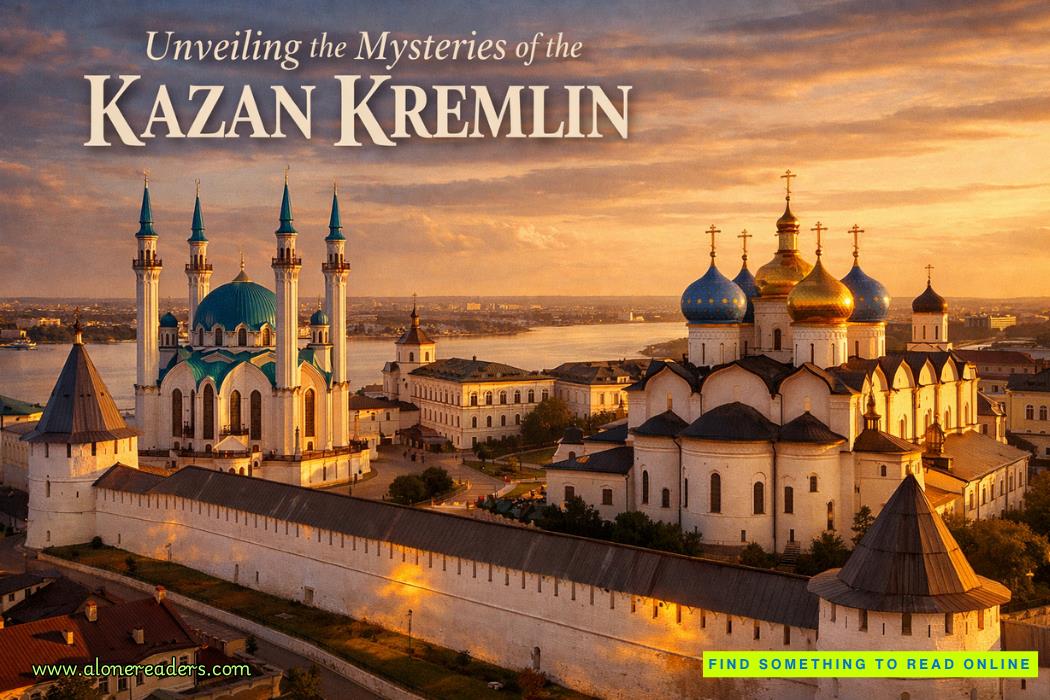
The Kazan Kremlin stands as one of Russia’s most remarkable historical and architectural complexes. Located in the heart of Kazan, the capital of Tatarstan, this UNESCO-listed fortress embodies centuries of political power, religious coexistence, and cultural fusion. Unlike many medieval fortifications that represent a single tradition, the Kazan Kremlin uniquely combines Islamic and Orthodox Christian heritage within its walls.
Overlooking the confluence of the Volga and Kazanka rivers, the Kremlin is not merely a monument; it is a living symbol of Tatar identity and Russian statehood. Today, it houses government offices, museums, cathedrals, mosques, and panoramic viewpoints that attract travelers from across the globe.
The origins of the Kazan Kremlin trace back to the 10th–12th centuries when it served as a fortified settlement of the Volga Bulgars. After becoming the center of the Kazan Khanate in the 15th century, it evolved into a powerful political and military stronghold.
In 1552, Ivan the Terrible conquered Kazan, leading to the reconstruction of the fortress in white limestone by Russian architects from Pskov. This transformation introduced Orthodox Christian structures while preserving elements of Tatar culture.
The result is a rare architectural landscape where Eastern and Western influences coexist harmoniously—an embodiment of Russia’s multicultural complexity.
1. Kul Sharif Mosque
The Kul Sharif Mosque is one of the largest mosques in Russia and a stunning symbol of Islamic revival. Reconstructed in 2005 to commemorate Kazan’s millennium, it features turquoise domes and slender minarets rising elegantly above the fortress walls.
The interior is equally magnificent, with intricate geometric patterns, chandeliers, and marble detailing. Entry is free, though modest dress is required.
2. Annunciation Cathedral
Built in the 16th century, the Annunciation Cathedral represents one of the oldest Orthodox structures in the Volga region. Its serene white façade contrasts beautifully with the mosque nearby.
Inside, visitors can admire centuries-old icons and frescoes, showcasing traditional Russian ecclesiastical art.
3. Söyembikä Tower
Often compared to the Leaning Tower of Pisa, the Söyembikä Tower slightly tilts and is steeped in legend. According to folklore, Queen Söyembikä threw herself from the tower rather than marry Ivan the Terrible.
Though the story remains mythological, the tower is one of the Kremlin’s most photographed landmarks.
4. Museums and Viewing Platforms
The Kremlin complex houses multiple museums, including:
Panoramic viewpoints along the fortress walls offer sweeping views of Kazan city and the Volga River—especially breathtaking at sunset.
By Air
The nearest airport is Kazan International Airport (KZN), approximately 25 km from the city center.
Estimated transport costs:
By Train
Kazan Railway Station connects directly to Moscow (approximately 11–13 hours overnight).
Train ticket from Moscow: 2,000–5,000 RUB depending on class.
Local Transportation
From Kazan city center, the Kremlin is easily accessible:
Kazan offers accommodations for every budget.
Budget Hotels and Hostels
Mid-Range Hotels
Luxury Hotels
Luxury accommodations range from 8,000–15,000 RUB per night and offer river views, spa facilities, and premium services.
Tatar cuisine is rich, hearty, and deeply flavorful.
Must-Try Dishes
Estimated food expenses:
Tea culture is strong in Tatarstan; many cafes offer traditional herbal teas served with pastries.
Budget traveler:
Total: ~9,000 RUB
Mid-range traveler:
Total: ~23,500 RUB
The ideal period to explore the Kazan Kremlin is between May and September when temperatures are pleasant (15–25°C).
Winter visits (December–February) offer snow-covered beauty but can be extremely cold (down to –20°C).
The Kremlin area itself is safe, well-policed, and suitable for solo travelers and families.
The Kazan Kremlin is more than an architectural masterpiece—it is a testament to centuries of cultural dialogue between East and West. Its white limestone walls shelter mosques, cathedrals, legends, and stories that continue to shape regional identity.
Whether you are drawn by history, religious architecture, culinary exploration, or simply panoramic river views, this fortress complex offers a deeply enriching travel experience.
A journey to Kazan is not just a visit to a city—it is an exploration of Russia’s multicultural soul.



 Unique Australian Wildlife and Where to Find Them: A Complete Travel Guide
 Island Hopping in the Philippines: Ultimate Travel Guide to Paradise Adventures
 Hong Kong Skyline: Best Spots for Stunning Panoramic Views
 The Enchanting Lijiang: A Complete Guide to Its Ancient Alleys, Culture, and Travel Costs
 San Diego: The Ultimate Family Vacation Destination (Beaches, Wildlife, and Budget-Smart Fun)
 The Lake District: A Haven for Nature Lovers and Poets – Complete Travel Guide