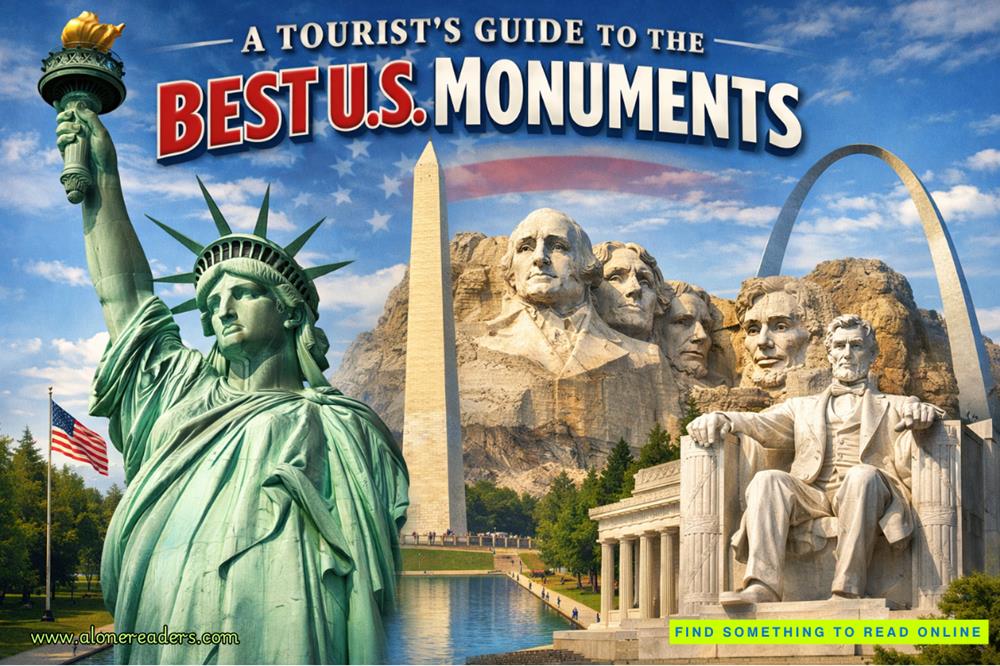
The United States is home to some of the world’s most recognizable monuments, each representing a defining chapter in the nation’s political, cultural, and social history. These monuments are not merely tourist attractions; they are carefully preserved symbols of ideals such as freedom, unity, sacrifice, and progress. Visiting them offers travelers an opportunity to understand the historical foundations of the country while experiencing the diverse geography and urban environments in which these landmarks are located. This guide presents a practical, informative overview of the most important U.S. monuments, focusing on their significance, visual appeal, travel logistics, accommodation options, food costs, and essential safety considerations. The aim is to provide a structured and factual travel resource rather than a personal travel narrative.
The Statue of Liberty stands on Liberty Island in New York Harbor and remains one of the most powerful symbols of freedom and immigration in modern history. Gifted by France in 1886, the statue represents hope and opportunity, particularly for the millions of immigrants who arrived in the United States through nearby Ellis Island. Its neoclassical design, towering copper structure, and panoramic harbor views make it visually striking and historically profound.
Access to the Statue of Liberty is exclusively by ferry, departing from Battery Park in Manhattan or Liberty State Park in New Jersey. Round-trip ferry tickets typically cost around USD 24 for adults, with pedestal or crown access requiring advance reservations and slightly higher fees. Public transportation in New York City, including subway access to Battery Park, costs approximately USD 2.90 per ride.
Accommodation options near Lower Manhattan range widely. Budget hotels or hostels may cost USD 120–160 per night, while mid-range hotels average USD 200–300. Dining costs vary significantly, with casual meals costing USD 15–25 per person and sit-down restaurants ranging from USD 30–50.
Travelers should expect airport-style security screening before boarding ferries and be prepared for long queues during peak tourist seasons. Comfortable walking shoes and weather-appropriate clothing are recommended, especially during summer when heat and humidity can be high.
The Lincoln Memorial honors the 16th President of the United States, Abraham Lincoln, and is closely associated with themes of unity, civil rights, and democracy. Its marble columns, reflective symmetry, and location at the western end of the National Mall make it one of the most visually impressive monuments in the country. The interior statue of Lincoln, seated and contemplative, adds to its solemn and dignified atmosphere.
The memorial is freely accessible and open 24 hours a day. Washington, D.C. is well connected by air, rail, and bus, with Ronald Reagan Washington National Airport located only a short distance from downtown. The city’s Metro system provides easy access to the National Mall, with fares typically ranging from USD 2–4 depending on distance.
Hotels in Washington, D.C. are generally more affordable than New York. Budget accommodations can be found for USD 100–140 per night, while mid-range hotels average USD 170–250. Food expenses are moderate, with casual dining costing USD 12–20 and higher-end restaurants charging USD 30–45 per person.
Visitors should note that the memorial is particularly crowded during national holidays and major public events. Late evening visits are recommended for a quieter experience. Standard urban precautions apply, especially when traveling at night.
Mount Rushmore features the carved faces of four U.S. presidents—George Washington, Thomas Jefferson, Theodore Roosevelt, and Abraham Lincoln—etched into the granite face of the Black Hills. The monument represents leadership and the historical development of the nation and is surrounded by expansive natural landscapes that enhance its visual appeal.
The nearest major airport is Rapid City Regional Airport, approximately 35 miles away. Car rental is the most practical option, with daily rental costs averaging USD 50–70. Entrance to the memorial itself is free, though parking costs around USD 10 per vehicle.
Accommodation in the Keystone and Rapid City areas is relatively affordable. Budget motels range from USD 80–120 per night, while mid-range lodges and hotels cost approximately USD 150–200. Dining expenses are lower than in major cities, with meals typically costing USD 10–18 at casual restaurants and USD 20–30 at more formal establishments.
Travelers should be aware of changing weather conditions in the Black Hills and plan accordingly. Wildlife encounters are possible in surrounding areas, so adherence to park guidelines is essential. The area is best visited between late spring and early fall.
The Gateway Arch is a 630-foot stainless steel monument symbolizing the westward expansion of the United States. Its sleek, modern design and riverside setting along the Mississippi River create a unique contrast between historical symbolism and contemporary architecture.
St. Louis Lambert International Airport provides convenient access, and the city’s light rail system connects visitors to downtown. Tram rides to the top of the arch cost approximately USD 15–19, offering panoramic views of the city and river.
Hotels in downtown St. Louis are comparatively affordable. Budget accommodations start at around USD 90 per night, while mid-range hotels average USD 140–200. Food costs are moderate, with casual meals priced at USD 12–20 and full-service dining around USD 25–40.
Visitors should plan visits during daylight hours and remain within well-traveled areas, particularly in the evening. Summer temperatures can be high, making hydration and sun protection important.
The Washington Monument, an obelisk honoring George Washington, dominates the skyline of the U.S. capital. Its minimalist design and sheer scale make it a powerful focal point of the National Mall.
Entry tickets are free but must be reserved in advance for timed access. Elevator access to the observation deck provides views across the city. Travel, accommodation, and food costs are similar to those outlined for other Washington, D.C. monuments.
Security procedures are in place, and large bags are not permitted. Weather conditions can affect elevator operations, so flexibility in scheduling is advisable.
Average daily expenses for a monument-focused trip vary by city but generally fall within these ranges:
A conservative daily budget for a single traveler typically ranges from USD 180–350.
Travelers should monitor weather conditions, particularly when visiting outdoor monuments. Advance reservations are recommended for popular attractions. Urban monuments require standard safety awareness, while rural sites demand preparation for limited services and longer travel distances. Health insurance coverage, secure document storage, and awareness of local regulations are strongly advised.
The monuments of the United States provide a structured and meaningful way to understand the nation’s historical narrative while experiencing its geographic and cultural diversity. With careful planning, reasonable budgeting, and awareness of local conditions, travelers can explore these landmarks efficiently and safely. This guide serves as a practical reference for those seeking an informed, purposeful approach to visiting America’s most significant monuments.



 Unique Australian Wildlife and Where to Find Them: A Complete Travel Guide
 Island Hopping in the Philippines: Ultimate Travel Guide to Paradise Adventures
 Hong Kong Skyline: Best Spots for Stunning Panoramic Views
 The Enchanting Lijiang: A Complete Guide to Its Ancient Alleys, Culture, and Travel Costs
 San Diego: The Ultimate Family Vacation Destination (Beaches, Wildlife, and Budget-Smart Fun)
 Unveiling the Mysteries of the Kazan Kremlin: A Complete Travel Guide to Russia’s Historic Gem










