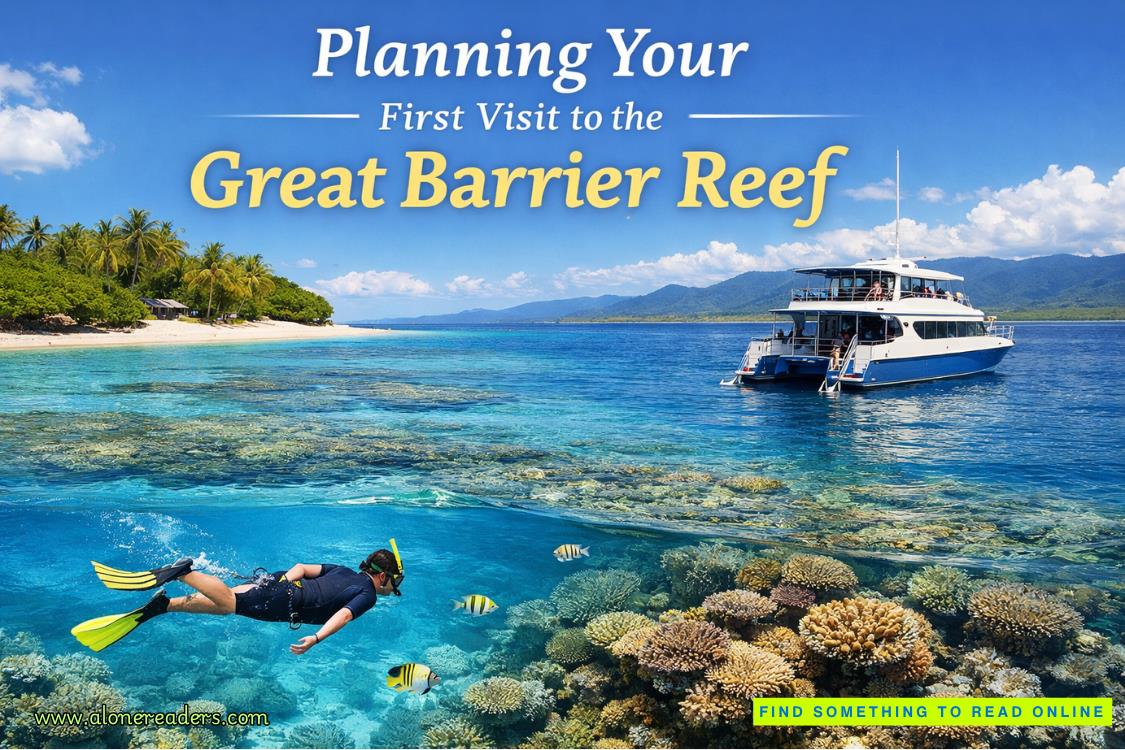
The Great Barrier Reef is one of the most significant natural landmarks on Earth, stretching over 2,300 kilometres along Australia’s northeastern coast in Queensland. Recognised as a UNESCO World Heritage Site, it is the world’s largest coral reef system, comprising more than 2,900 individual reefs and over 900 islands. This vast marine ecosystem is visible from space and supports extraordinary biodiversity, including thousands of fish species, corals, marine mammals, turtles, and seabirds.
For first-time visitors, the Great Barrier Reef is not a single destination but a network of experiences spread across coastal cities, island resorts, and offshore platforms. Planning a visit requires understanding where to access the reef, what activities are available, realistic costs, and how to travel responsibly in a sensitive natural environment. This article presents a structured, practical overview intended to help travellers plan their first visit with clarity and confidence.
The defining feature of the Great Barrier Reef is its underwater landscape. Coral gardens range from shallow, brightly coloured reefs close to the surface to deeper coral walls inhabited by larger marine species. Visibility in many reef locations is excellent, particularly during the dry season, allowing snorkellers and divers to observe marine life in natural conditions.
Key attractions include:
Beyond the reef itself, nearby coastal regions offer rainforests, beaches, and cultural experiences linked to Indigenous Australian heritage, adding depth to the overall visit.
The most favourable time to visit the Great Barrier Reef is during the dry season, generally from May to October. During these months, weather conditions are more stable, humidity is lower, and water visibility is typically at its best.
The wet season, from November to April, brings higher temperatures, tropical rainfall, and the potential for cyclones. Marine stinger season also occurs during this period, which affects swimming conditions. While travel is still possible, first-time visitors generally find the dry season more predictable and comfortable.
The Great Barrier Reef is accessed via several major coastal gateways in Queensland. The most common entry points include:
International travellers typically arrive via Brisbane or Sydney and connect to regional airports. Domestic flights from major Australian cities to Cairns usually range from AUD 120 to AUD 300 one way, depending on season and booking time. Local transfers from airports to accommodation generally cost AUD 20 to AUD 60.
Most reef experiences require booking a guided tour, as the reef lies offshore. Costs vary depending on location, duration, and inclusions.
Typical price ranges include:
Tours usually include equipment, safety briefings, lunch, and environmental management fees. Multi-day liveaboard dive trips are also available for experienced divers, with prices starting around AUD 800.
Accommodation around the Great Barrier Reef caters to a wide range of budgets.
Cairns offers the widest selection of budget and mid-range options, while island resorts provide more exclusive experiences at higher costs. Booking in advance during peak season is strongly recommended.
Food costs in reef gateway cities are comparable to other Australian tourist destinations.
Estimated daily food expenses include:
Seafood is a regional highlight, with fresh prawns, reef fish, and tropical produce commonly featured. Most reef tours include lunch, reducing daily food costs on excursion days.
The Great Barrier Reef is a protected ecosystem, and visitors are expected to follow strict environmental guidelines. Touching coral, feeding fish, or removing marine life is prohibited. Reef-safe sunscreen is strongly recommended to reduce chemical impact on coral systems.
Safety considerations include:
Travel insurance covering water activities is advisable, particularly for diving or remote island stays.
Planning ahead significantly improves the experience. Booking tours and accommodation early helps secure preferred dates and manage costs. Choosing reputable operators certified under environmental and safety programs ensures responsible reef access.
Travellers should also allow flexibility in their itinerary, as weather conditions can affect marine activities. Allocating at least three to five days in a reef region allows time for multiple experiences without rushing.
A first visit to the Great Barrier Reef is both a natural and logistical experience. Its scale, beauty, and ecological importance make it unlike any other travel destination, while its structured tourism infrastructure allows visitors to explore safely and responsibly. With informed planning around timing, costs, accommodation, and environmental care, travellers can experience one of the world’s greatest natural wonders in a meaningful and memorable way.



 Unique Australian Wildlife and Where to Find Them: A Complete Travel Guide
 Island Hopping in the Philippines: Ultimate Travel Guide to Paradise Adventures
 Hong Kong Skyline: Best Spots for Stunning Panoramic Views
 The Enchanting Lijiang: A Complete Guide to Its Ancient Alleys, Culture, and Travel Costs
 San Diego: The Ultimate Family Vacation Destination (Beaches, Wildlife, and Budget-Smart Fun)
 Unveiling the Mysteries of the Kazan Kremlin: A Complete Travel Guide to Russia’s Historic Gem










