AloneReaders.com Logo

America’s Most Spectacular Train Rides: Scenic Routes, Costs, Stays, and Planning

  • Author: Admin
  • January 03, 2026
America’s Most Spectacular Train Rides: Scenic Routes, Costs, Stays, and Planning
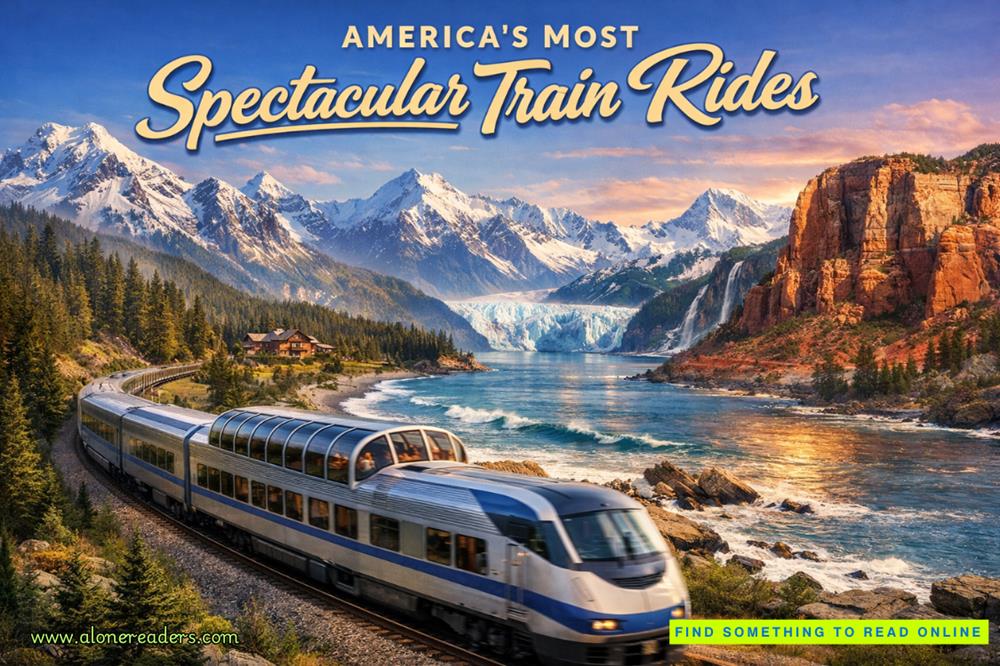
America’s Most Spectacular Train Rides

America’s most memorable rail journeys are less about speed and more about access—access to coastlines you can’t comfortably drive beside, mountain passes where roads feel intrusive, and river canyons best appreciated from a wide window with no steering wheel in your hands. This guide focuses on rides that are consistently scenic and logistically achievable for travelers planning from major cities. It also treats the trip as a complete travel product: how to get to the departure point, where to sleep, what to eat, what it will likely cost, and what to watch out for.

How to use this guide (quick planning logic)

  • Choose your “scenery priority”: ocean (West Coast), mountains (Rockies), wilderness (Alaska), historic canyon railways (Southwest).
  • Decide your comfort level: day ride in a seat vs. overnight in a private room.
  • Budget realistically: the ticket is often only 40–60% of the total once hotels, meals, and local transport are included.
  • Plan around daylight: scenery is best when your route segment runs in daylight (especially in winter when days are short).

Amtrak Coast Starlight (Seattle ⇄ Los Angeles): Ocean cliffs, valleys, and Cascade views

Why it’s spectacular: Long stretches of Pacific coastline (especially in California), plus a “cross-section” of the West—wine country, forests, and mountain foothills.

What you’ll see (highlights):

  • Coastal bluffs and beaches in Southern/Central California.
  • Rolling farmland and river valleys further north.
  • Cascades and evergreen scenery approaching the Pacific Northwest.

How to get there:

  • Start: Seattle (SEA airport) or Los Angeles (LAX airport). Both connect easily to their main stations via rideshare/light rail/metro.
  • Best approach: Ride a scenic segment in daylight (e.g., Los Angeles → Santa Barbara/San Luis Obispo, or Portland → Seattle).

Where to stay (typical nightly costs):

  • Seattle/Los Angeles/Portland: USD $160–$320 mid-range hotels; higher in peak periods.
  • Smaller scenic stops (Santa Barbara, San Luis Obispo): USD $150–$300.

Food to try (typical costs):

  • West Coast seafood, tacos, farm-to-table spots, wine tasting regions.
  • Meals: USD $15–$30 casual, $35–$70 mid-range dinner.

Estimated trip cost (per person):

  • Ticket: USD ~$90–$250 for shorter scenic segments; multi-day end-to-end often higher.
  • Hotel (2 nights): USD $300–$650.
  • Meals (2–3 days): USD $90–$200.
  • Local transport: USD $40–$120.
  • Practical total: USD ~$520–$1,220 (varies heavily by distance and season).

Cautions:

  • Long-distance trains can run late; do not schedule tight same-day flight connections.
  • Coastal sections can be cool even in summer; pack a light jacket.
  • Limited onboard connectivity; treat it as offline time.

Amtrak California Zephyr (Chicago ⇄ Denver ⇄ Salt Lake City ⇄ San Francisco Bay): The Rockies and Sierra Nevada in one ride

Why it’s spectacular: Widely regarded as one of North America’s most scenic long-distance routes—big sky plains into true mountain drama.

What you’ll see:

  • Rockies: steep grades, mountain passes, dramatic terrain around Colorado.
  • Utah/Nevada desert expanses: wide open landscapes.
  • Sierra Nevada: granite ridgelines and alpine scenery nearing California.

How to get there:

  • Start: Chicago (ORD airport) or Denver (DEN airport). The Bay Area endpoint is typically Emeryville with easy connections to San Francisco.
  • For maximum scenery, many travelers do Denver → Salt Lake City or Denver → Glenwood Springs.

Where to stay:

  • Denver: USD $160–$320.
  • Glenwood Springs (hot springs town): USD $140–$280.
  • Salt Lake City: USD $140–$260.
  • San Francisco/Bay Area: USD $200–$450.

Food:

  • Denver’s diverse dining and breweries; Glenwood Springs casual comfort food; Bay Area seafood and global cuisine.
  • Meals: USD $15–$35 casual, $40–$90 nicer dinners (SF higher).

Estimated trip cost (per person):

  • Coach ticket: often USD ~$120–$350 depending on distance/availability.
  • Private room (overnight comfort): frequently USD ~$700–$1,800+ depending on timing and demand.
  • Hotel (2 nights): USD $320–$750.
  • Meals: USD $120–$260.
  • Local transport: USD $40–$150.
  • Practical total: USD ~$600–$2,900 (coach vs sleeper is the major swing).

Cautions:

  • Altitude changes can cause mild headaches; hydrate and limit alcohol early.
  • Winter storms can affect timing; build buffer days.
  • If you want mountain views, prioritize routes/segments that run through the Rockies in daylight.

Rocky Mountaineer (USA) “Rockies to the Red Rocks” (Denver ⇄ Moab area): Premium daylight rail through canyons

Why it’s spectacular: A luxury-leaning, daylight-focused route designed specifically for scenery—Colorado River corridors, canyon walls, and red-rock country.

What you’ll see:

  • Rocky Mountain foothills transitioning into canyon landscapes.
  • River bends, cliffs, and desert geology en route to Utah’s red-rock region.

How to get there:

  • Fly into Denver (DEN) or arrive via domestic rail/road.
  • The western endpoint is near Moab (often with motorcoach connections depending on package logistics).

Where to stay:

  • Many bookings bundle a hotel night. If booking separately:
  • Denver: USD $160–$320.
  • Moab: USD $170–$350 (higher during national-park season).

Food:

  • Denver dining scene; Moab has trail-friendly cafes and solid mid-range restaurants.
  • Meals: USD $15–$30 casual; $35–$70 dinner.

Estimated trip cost (per person):

  • Rail package: commonly advertised starting around USD ~$1,250+ taxes per person (often based on double occupancy and inclusions vary by package).
  • Extra hotel nights (2): USD $340–$700.
  • Meals beyond inclusions: USD $60–$160.
  • Local transport/tours: USD $60–$250 (Arches/Canyonlands tours, shuttles).
  • Practical total: USD ~$1,700–$3,200.

Cautions:

  • Summer desert heat is serious; schedule hikes early and carry water.
  • Moab is capacity-constrained in peak periods—book accommodation and park entry plans early.
  • Premium trains have stricter ticket/change rules; read terms before purchase.

Alaska Railroad Coastal Classic (Anchorage ⇄ Seward): Fjords, mountains, and wildlife access

Why it’s spectacular: Alaska’s scenery is “close-range epic”—glacial valleys, coastal inlets, and real chances of wildlife sightings, with Seward as a gateway to Kenai Fjords.

What you’ll see:

  • Turnagain Arm-style coastal mountain views, rivers, and dense wilderness.
  • Seward’s access to marine wildlife and glacier cruises.

How to get there:

  • Fly into Anchorage (ANC).
  • Ride to Seward for a day trip or overnight, often paired with a Kenai Fjords cruise.

Where to stay:

  • Anchorage: USD $160–$300.
  • Seward: USD $180–$360 (summer peak higher).

Food:

  • Alaska seafood (salmon, halibut), hearty lodge-style meals, casual harbor eateries.
  • Meals: USD $18–$35 casual; $40–$80 dinner.

Estimated trip cost (per person):

  • Train fare (one-way examples): Adventure Class roughly USD ~$133 adult; premium service can be higher (varies by class and season).
  • Hotel (2 nights): USD $340–$660.
  • Meals (2–3 days): USD $110–$240.
  • Optional Kenai Fjords cruise: commonly USD ~$150–$250+ depending on duration/operator.
  • Local transport: USD $40–$120.
  • Practical total: USD ~$770–$1,600.

Cautions:

  • Weather changes quickly; pack waterproof layers even in summer.
  • Wildlife rules are strict—keep distance and follow tour guidance.
  • If connecting to a cruise, confirm baggage policies and departure timing.

Amtrak Empire Builder (Chicago ⇄ Pacific Northwest): Big rivers, mountain edges, and Northern plains scale

Why it’s spectacular: Immense landscapes—wide plains, dramatic skies, and mountain-adjacent segments in the northern tier of the U.S.

What you’ll see:

  • Northern plains and river valleys.
  • Mountain scenery in the northern Rockies region depending on the segment and daylight timing.

How to get there:

  • Start in Chicago (ORD) or end in Seattle (SEA) / Portland (PDX).
  • Best for travelers who want a classic multi-day “across the country” feel.

Where to stay:

  • Chicago: USD $170–$350.
  • Seattle/Portland: USD $160–$320.

Food:

  • Chicago deep-dish and diverse neighborhoods; Pacific Northwest seafood, coffee culture.
  • Meals: USD $15–$30 lunch; $35–$80 dinner.

Estimated trip cost (per person):

  • Ticket: highly variable by season and booking window; coach typically lower, sleeper much higher.
  • Hotels (2 nights): USD $330–$700.
  • Meals: USD $120–$260.
  • Local transport: USD $40–$150.
  • Practical total: USD ~$650–$2,800 (again driven by sleeper choice and distance).

Cautions:

  • Expect delays; carry essentials for an unplanned late arrival.
  • Bring snacks and a refillable bottle; station food options can be limited during odd hours.

Amtrak Adirondack (New York City ⇄ Montréal): Hudson Valley and Lake Champlain beauty

Why it’s spectacular: A classic “slow travel” corridor—river views leaving NYC, then northern lakes and forested scenery approaching the border region.

What you’ll see:

  • Hudson River Valley landscapes.
  • Lake and mountain-adjacent views in upstate New York.

How to get there:

  • Start at Moynihan Train Hall (NYC) (airports: JFK/LGA/EWR).
  • Arrive in Montréal (airport: YUL). Bring required travel documents for cross-border travel.

Where to stay:

  • NYC: USD $220–$450+.
  • Montréal: USD $150–$300.

Food:

  • NYC: everything. Montréal: bagels, smoked meat, French-inspired bistros.
  • Meals: USD $15–$30 casual; $35–$80 dinner.

Estimated trip cost (per person):

  • Ticket: commonly USD ~$80–$180 (varies by timing).
  • Hotels (2 nights): USD $370–$750.
  • Meals: USD $120–$240.
  • Local transport: USD $30–$90.
  • Practical total: USD ~$600–$1,260.

Cautions:

  • Border processing can affect timing; keep plans flexible.
  • Winter can be stunning but cold; pack accordingly.

Grand Canyon Railway (Williams, AZ ⇄ Grand Canyon South Rim): Historic access to an iconic landscape

Why it’s spectacular: It’s not about covering distance; it’s about arriving at one of the world’s great views in a way that feels ceremonial.

What you’ll see:

  • High-desert landscapes, forests, and then the Grand Canyon’s South Rim access.
  • The arrival experience is part of the charm.

How to get there:

  • Fly to Phoenix (PHX) or Las Vegas (LAS) and drive to Williams, Arizona (or come via Flagstaff).
  • The train is typically a full-day outing with several hours at the rim.

Where to stay:

  • Williams: USD $90–$220.
  • Grand Canyon Village/Tusayan: USD $180–$450 (limited supply, high demand).

Food:

  • Classic Southwest fare, diners in Williams, and lodge dining near the canyon.
  • Meals: USD $12–$25 casual; $30–$70 dinner.

Estimated trip cost (per person):

  • Train ticket: commonly starts around USD ~$70 and can rise significantly with premium classes.
  • Park entry: budget additional cost if applicable to your itinerary.
  • Hotel (1–2 nights): USD $180–$650.
  • Meals: USD $60–$160.
  • Local transport: USD $20–$80.
  • Practical total: USD ~$250–$1,100.

Cautions:

  • Canyon weather swings: hot sun at rim by day, cold at night depending on season.
  • Stay back from edges; wind gusts and loose gravel are real hazards.
  • If visiting in peak season, book lodging well in advance.

Durango & Silverton Narrow Gauge Railroad (Colorado): Steam-era drama in a canyon corridor

Why it’s spectacular: A heritage steam train through rugged canyon scenery—visually intense, historically rich, and very different from modern intercity rail.

What you’ll see:

  • Canyon walls, river scenery, and mountain foothills in southwestern Colorado.
  • A true “old railroad” feeling with steam power on many excursions.

How to get there:

  • Fly to Durango (DRO) (limited routes) or drive from larger hubs (Albuquerque, Denver, Phoenix—long drives).
  • Best as part of a Colorado/New Mexico road-and-rail loop.

Where to stay:

  • Durango: USD $140–$300.
  • Silverton (if overnighting): USD $160–$350.

Food:

  • Durango has a strong casual dining scene; Silverton is smaller with hearty options.
  • Meals: USD $12–$25 casual; $30–$65 dinner.

Estimated trip cost (per person):

  • Train ticket: pricing varies widely by class; premium classes can be USD $200+ (published fares commonly show this range).
  • Hotel (2 nights): USD $300–$650.
  • Meals: USD $90–$200.
  • Local transport: USD $30–$100.
  • Practical total: USD ~$650–$1,600.

Cautions:

  • Mountain weather can disrupt service (rockslides and storms can affect operations).
  • Steam excursions can involve soot/smoke exposure—pack sunglasses and avoid white clothing.
  • Altitude and dry air: hydrate.

White Pass & Yukon Route (Skagway, Alaska): A short ride with outsized scenery

Why it’s spectacular: A steep climb through coastal mountains with big views quickly—ideal for travelers who want a “wow” factor in a half-day.

What you’ll see:

  • Mountain passes, dramatic elevation gain, waterfalls and rugged terrain near Skagway.

How to get there:

  • Most visitors arrive via Alaska cruise itineraries, or via regional travel into Southeast Alaska.
  • Plan for limited time and book your departure slot.

Where to stay:

  • Skagway: small and seasonal; USD $180–$400 in peak periods (limited inventory).

Food:

  • Simple, seasonal restaurants; seafood and casual fare.
  • Meals: USD $15–$30 casual; $35–$70 dinner.

Estimated trip cost (per person):

  • Ticket: commonly around USD $155/adult for the popular summit-style excursion.
  • Hotel (1 night): USD $180–$400.
  • Meals: USD $50–$120.
  • Local transport: USD $10–$40.
  • Practical total: USD ~$300–$715.

Cautions:

  • Rain and fog are common—pack waterproof layers and expect changing visibility.
  • If on a cruise, align rail timing with ship schedules conservatively.

Great Smoky Mountains Railroad (Bryson City, North Carolina): River gorges and forested Appalachian scenery

Why it’s spectacular: A relaxed, family-friendly scenic route with river views, gorges, and mountain forests—excellent if you want scenery without a major logistics burden.

What you’ll see:

  • Nantahala River gorge areas and Appalachian landscapes.
  • Seasonal color is a highlight (especially fall).

How to get there:

  • The depot is in Bryson City; nearest major airports include Asheville (AVL) or Knoxville (TYS) depending on routing.

Where to stay:

  • Bryson City: USD $120–$260 (cabins can be higher in peak fall weekends).

Food:

  • Barbecue, comfort food, mountain-town cafes.
  • Meals: USD $12–$25 casual; $30–$60 dinner.

Estimated trip cost (per person):

  • Ticket: commonly starts around USD ~$59 and increases by class/season (many riders land around USD $60–$120+).
  • Hotel (1–2 nights): USD $120–$520.
  • Meals: USD $60–$160.
  • Local transport: USD $20–$80.
  • Practical total: USD ~$260–$880.

Cautions:

  • Fall foliage weekends book out quickly—reserve early.
  • Bring layers; temperatures can shift between sun and shaded gorge areas.

Practical booking and budgeting tips (applies to all rides)

  • Book sleepers early for overnight routes: private rooms are limited inventory and price-sensitive.
  • Prioritize daylight scenery segments: if you only do one portion, pick the segment most likely to be in daylight.
  • Add buffer time: schedule arrivals as if they might be late, especially for long-distance intercity routes.
  • Pack smart: layers, water, simple snacks, a power bank, and motion-sickness prevention if you’re sensitive.
  • Accessibility and luggage: verify station services and baggage rules for your operator; smaller depots can be minimal.

Safety and travel cautions (quick checklist)

  • Weather volatility: mountains and coastal regions change fast; waterproof/windproof layers reduce risk and discomfort.
  • Altitude and hydration: Rockies routes and high-elevation towns can cause headaches and fatigue—hydrate and pace activity.
  • Remote stops: some scenic stations have limited services late at night; plan transfers and lodging deliberately.
  • Wildlife and cliffs: Alaska and canyon regions require strict safety distances and attention near edges.
  • Delays: treat long-distance rail as an experience, not a tightly-timed transport tool.