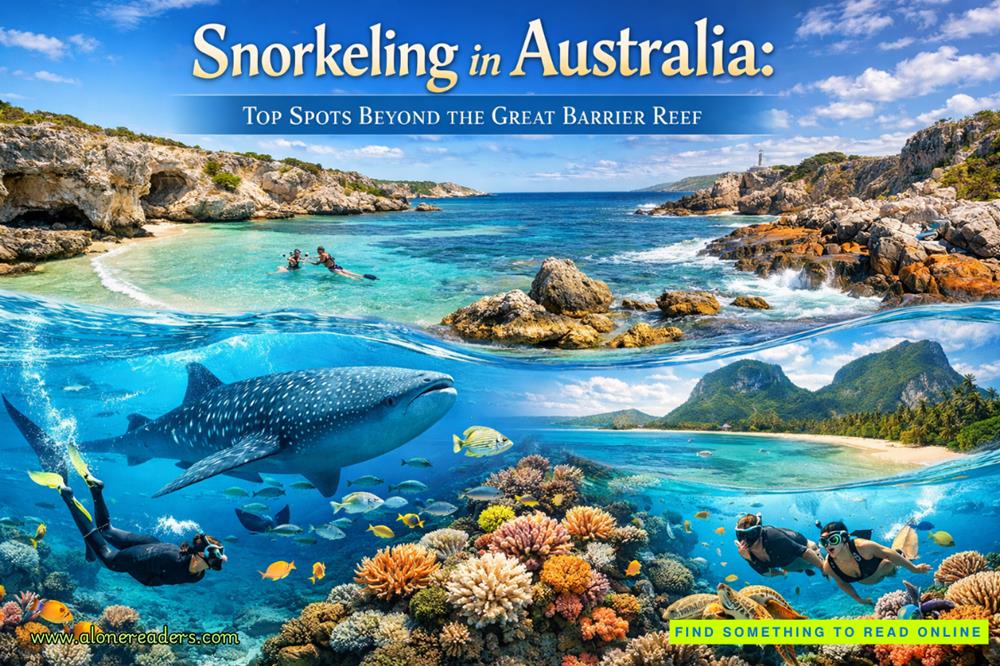
Australia is globally synonymous with the Great Barrier Reef, yet focusing exclusively on it obscures a broader reality: the country hosts an extraordinary diversity of snorkeling destinations scattered across its vast coastline and offshore islands. These locations offer pristine reefs, unique marine species, fewer crowds, and, in many cases, easier access than the Reef itself. From the Indian Ocean to the Tasman Sea, Australia’s lesser-known snorkeling regions combine ecological richness with distinct local cultures and landscapes. This article examines the most compelling snorkeling destinations beyond the Great Barrier Reef, presenting practical guidance on access, accommodation, costs, cuisine, and safety considerations.
Overview and Attractions
Ningaloo Reef stretches along Western Australia’s remote Coral Coast and is one of the world’s largest fringing reefs, accessible directly from shore. Unlike the Great Barrier Reef, Ningaloo allows snorkelers to step straight off the beach into coral gardens populated by turtles, reef sharks, manta rays, and seasonal whale sharks. The reef’s shallow lagoons and clear visibility make it suitable for both beginners and experienced snorkelers.
How to Get There
The nearest gateway is Exmouth. Travelers typically fly from Perth to Learmonth Airport (approximately 2 hours), followed by a 40-minute drive. Alternatively, a road trip from Perth takes around 12–13 hours and is popular among independent travelers.
Accommodation and Food (Estimated Costs)
Accommodation in Exmouth ranges from budget hostels (AUD 40–70 per night) to mid-range hotels and eco-lodges (AUD 180–300 per night). Dining options include casual cafés, seafood-focused pubs, and self-catering. Expect daily food costs of approximately AUD 40–70. Whale shark snorkeling tours, available seasonally, cost around AUD 350–450.
Cautions
The region is remote, with limited medical facilities. Sun exposure is intense, and marine stingers can be present seasonally. Travelers should carry reef-safe sunscreen, sufficient water, and heed local marine advisories.
Overview and Attractions
Located just off the coast of Perth, Rottnest Island is renowned for its crystal-clear bays, limestone reefs, and relaxed island atmosphere. Snorkeling sites such as Little Salmon Bay and Parker Point feature underwater trails, abundant fish life, and excellent visibility. The island’s protected status ensures well-preserved marine habitats.
How to Get There
Ferries operate daily from Perth, Fremantle, and Hillarys Boat Harbour, with crossing times between 25 and 45 minutes. Return ferry tickets typically cost AUD 70–90.
Accommodation and Food (Estimated Costs)
Accommodation options range from basic cabins (AUD 120–160 per night) to heritage hotels (AUD 250–350 per night). Dining includes bakeries, cafés, and seaside restaurants, with average daily food costs of AUD 50–80. Snorkeling is generally self-guided, keeping activity costs low.
Cautions
Weather conditions can change quickly, affecting water clarity. Strong sun exposure and limited shade require planning. Cyclists and pedestrians share narrow paths, so care is needed when moving around the island.
Overview and Attractions
Tasmania’s east coast offers a cooler-water snorkeling experience characterized by kelp forests, rock reefs, and unique marine species such as weedy seadragons. Bicheno is a small coastal town with accessible snorkeling sites close to shore, known for clarity and biodiversity during summer months.
How to Get There
Bicheno is approximately a 2-hour drive from Hobart or Launceston. Car hire is the most practical option, as public transport is limited.
Accommodation and Food (Estimated Costs)
Lodging includes guesthouses and motels (AUD 120–200 per night). Dining focuses on fresh local seafood, bakeries, and casual eateries, with food costs averaging AUD 40–60 per day. Snorkeling is shore-based, so equipment rental (AUD 20–30 per day) may be the primary expense.
Cautions
Water temperatures are significantly cooler than mainland tropical sites, even in summer. A wetsuit is strongly recommended. Sea conditions can change rapidly, and snorkelers should be cautious of swell and currents.
Overview and Attractions
Lord Howe Island, a UNESCO World Heritage site, represents one of the world’s southernmost coral reef systems. Its lagoon offers calm, shallow snorkeling with a blend of tropical and temperate species, framed by dramatic volcanic peaks. Strict visitor limits preserve the island’s ecological integrity.
How to Get There
Flights operate from Sydney and Brisbane, with flight times of around 2 hours. Due to visitor caps, flights should be booked well in advance.
Accommodation and Food (Estimated Costs)
Accommodation is primarily boutique lodges and self-contained units, typically ranging from AUD 300–450 per night, often including meals. Additional food expenses are modest, as many stays are partially catered. Snorkeling gear hire costs approximately AUD 25–40 per day.
Cautions
Visitor numbers are limited, and services are minimal. Supplies are restricted, so advance planning is essential. Reef protection rules are strictly enforced, and compliance is mandatory.
Across all destinations, travelers should prioritize environmental responsibility. Reef-safe sunscreen, respectful wildlife interaction, and adherence to local guidelines are essential. Travel insurance covering water activities is strongly recommended. Seasonal weather patterns, including cyclones in the north and colder waters in the south, should inform travel planning.
Australia’s snorkeling landscape extends far beyond the Great Barrier Reef, offering diverse marine environments shaped by geography, climate, and conservation practices. From the accessible coral gardens of Ningaloo Reef to the cool kelp forests of Tasmania and the protected lagoon of Lord Howe Island, these destinations provide high-quality snorkeling experiences with fewer crowds and distinct regional character. For travelers seeking depth, variety, and authenticity, exploring these lesser-known locations reveals a more complete picture of Australia’s marine heritage.



 Unique Australian Wildlife and Where to Find Them: A Complete Travel Guide
 Island Hopping in the Philippines: Ultimate Travel Guide to Paradise Adventures
 Hong Kong Skyline: Best Spots for Stunning Panoramic Views
 The Enchanting Lijiang: A Complete Guide to Its Ancient Alleys, Culture, and Travel Costs
 San Diego: The Ultimate Family Vacation Destination (Beaches, Wildlife, and Budget-Smart Fun)
 Unveiling the Mysteries of the Kazan Kremlin: A Complete Travel Guide to Russia’s Historic Gem