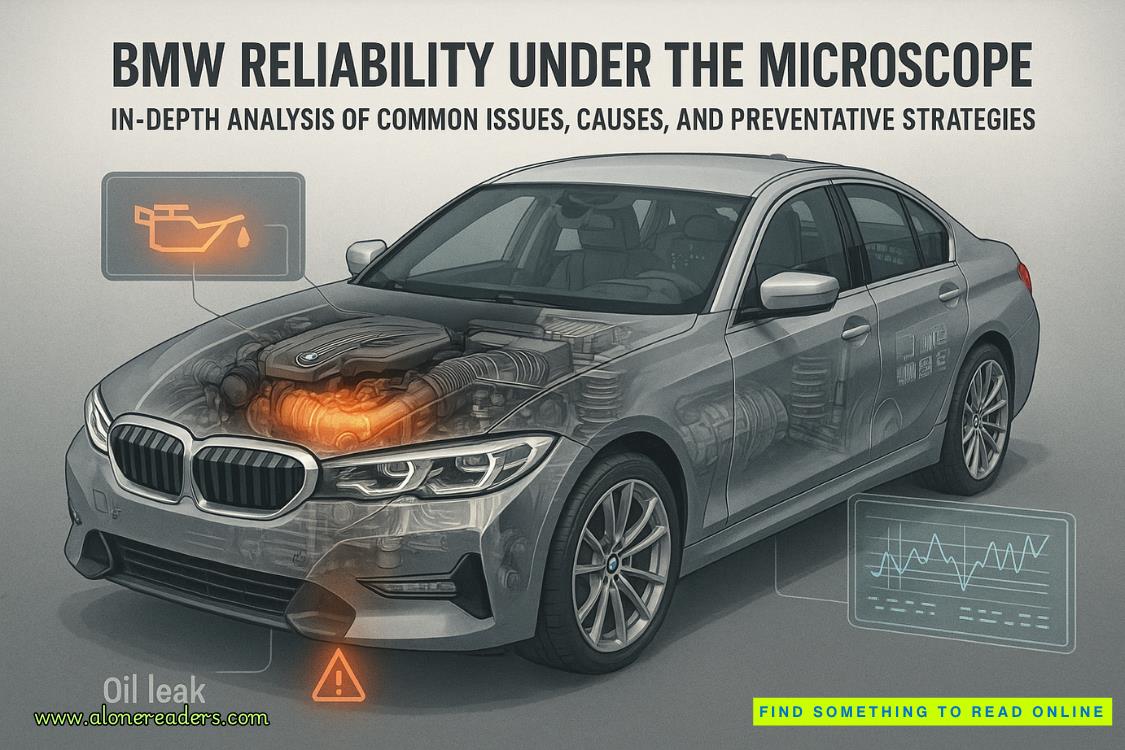
BMW has long positioned itself as a benchmark for precision engineering, dynamic performance, and advanced automotive technology. For decades, the brand’s slogan-driven emphasis on driving engagement has translated into complex powertrains, sophisticated electronics, and tightly engineered components. However, this same complexity has also contributed to a pattern of recurring issues across multiple BMW model lines and generations. An in-depth examination of owner experiences, recalls, and mechanical failure patterns reveals that many BMW problems are not random defects, but predictable outcomes of design philosophy, operating conditions, and maintenance sensitivity.
At the core of BMW ownership challenges lies the engine, where performance-oriented design places components under sustained thermal and mechanical stress. Cooling system failures remain one of the most persistent and consequential issues. Modern BMW engines, particularly turbocharged variants, operate at higher temperatures and pressures than naturally aspirated predecessors. Electric water pumps, plastic coolant flanges, radiators, and thermostats are engineered for efficiency and weight reduction, but they often exhibit limited service life. When water pumps fail or radiators develop leaks, coolant circulation drops rapidly, allowing engine temperatures to spike. In BMW engines, even brief overheating events can distort aluminum cylinder heads, compromise head gaskets, or lead to micro-cracks in the engine block. The result is often catastrophic damage that far exceeds the cost of early preventative replacement.
Oil leakage represents another defining BMW characteristic, especially in engines that have accumulated moderate mileage. Valve cover gaskets, oil filter housing gaskets, and oil pan seals degrade prematurely due to prolonged exposure to high temperatures and crankcase pressure. These leaks are not merely cosmetic. Oil dripping onto exhaust components creates burning smells and smoke, while internal oil loss can starve critical engine components. In some cases, oil leaks contaminate drive belts or electrical connectors, creating secondary failures that further complicate repairs. The underlying cause is a combination of rubber compound aging, tight packaging around hot engine components, and extended oil change intervals that accelerate seal hardening.
Among the most severe engine-related failures are timing chain problems. Unlike timing belts, chains are often marketed as lifetime components, yet in several BMW engines they exhibit premature stretching or guide failure. Diesel variants such as the 520d and 330d have been particularly affected, where crankshaft sprocket misalignment accelerates chain wear. Once slack develops, the chain can jump teeth or fracture entirely, allowing pistons and valves to collide. This type of failure often occurs with little warning beyond subtle rattling noises or rough idle, making proactive inspection and early replacement essential for long-term engine survival.
Closely linked to oil quality and internal wear is the failure of BMW’s VANOS system. This variable valve timing technology relies on precise oil pressure control to adjust camshaft timing dynamically. Over time, solenoid valves clog with contaminated oil, and internal seals lose elasticity. When VANOS operation degrades, engines exhibit erratic idle behavior, flat power delivery, misfires at specific RPM ranges, and elevated emissions. Because VANOS performance is deeply integrated into engine management logic, even minor malfunctions can significantly alter driving characteristics.
Fuel delivery systems introduce another layer of complexity, particularly in direct-injection BMW engines. High-pressure fuel pump failures have affected hundreds of thousands of vehicles, often leading to sudden power loss or engine stalling. These pumps operate under extreme mechanical stress, pressurizing fuel to levels exceeding traditional systems by an order of magnitude. Wear on internal plungers, contamination from poor-quality fuel, and insufficient lubrication all contribute to failure. Low-pressure fuel pump issues further compound the problem, as upstream starvation forces the high-pressure pump to operate beyond its intended load range.
Misfires and ignition system failures are among the most frequently reported BMW complaints. Individual ignition coils are prone to heat-related degradation, and when a single coil fails, the engine management system often reduces power output to protect internal components. While spark plugs and coils are consumable items, BMW engines are particularly sensitive to delayed replacement intervals. Ignoring early misfire symptoms often leads to unburned fuel damaging catalytic converters, turning a relatively minor repair into a costly emissions system failure.
Direct injection technology has also introduced the widespread issue of intake valve carbon buildup. Without fuel washing over intake valves, oil vapors from crankcase ventilation systems accumulate and bake into hard carbon deposits. Over time, these deposits restrict airflow, disrupt combustion, and reduce engine efficiency. Performance loss, hesitation at wide-open throttle, and increased knock sensitivity become increasingly pronounced. Mechanical cleaning through walnut shell blasting remains the only effective long-term solution, underscoring the maintenance-intensive nature of BMW’s advanced engine designs.
Transmission systems present a different set of challenges. Automatic BMW transmissions, while smooth and responsive when new, often develop harsh shifting, delayed engagement, or gear shuddering as mileage increases. In some cases, supplier assembly errors, missing fasteners in mechatronics units, or software calibration flaws contribute to these issues. Transmission overheating further accelerates internal wear, as degraded fluid loses its ability to maintain hydraulic pressure and lubricate clutch packs. Certain gear failures, particularly third gear in high-mileage units, are linked to clutch pack degradation rather than isolated mechanical defects.
Manual transmissions generally fare better due to their simpler construction, but they are not immune to wear. Clutch slippage, synchromesh degradation, and linkage issues tend to appear in vehicles subjected to aggressive driving or high torque loads. While these failures are more predictable and gradual, they still reflect the performance-oriented expectations placed on BMW drivetrains.
Electrical and electronic systems represent one of the most complex aspects of modern BMW ownership. The iDrive infotainment platform, while feature-rich, is highly software-dependent. Corrupted updates, module communication errors, and software incompatibilities frequently cause system freezes, blank displays, or loss of connectivity. These issues often require dealer-level diagnostics and reprogramming rather than traditional mechanical repairs, increasing both cost and downtime.
Battery drain issues illustrate how interconnected BMW’s electronic architecture has become. Faulty comfort access systems, control modules failing to enter sleep mode, and network bus communication errors can draw current continuously even when the vehicle is parked. Diagnosing parasitic drain requires precise measurement and systematic isolation of modules, a process that highlights the diagnostic complexity of modern BMW electrical systems.
Mechanical comfort features such as power windows also exhibit predictable failure patterns. Cable-driven window regulators wear out due to repeated use, temperature extremes, and lack of lubrication. Motor burnout, frozen mechanisms in cold climates, and electrical switch failures further contribute to the frequency of these complaints. While individually minor, these issues reinforce the perception of fragility in non-drivetrain BMW components.
Suspension systems, engineered for sharp handling, prioritize precision over longevity. Control arm bushings and sway bar links wear quickly, particularly on uneven road surfaces. As rubber components degrade, drivers experience vibrations, clunking noises, and uneven tire wear. These symptoms directly affect vehicle stability and braking performance, making suspension maintenance a safety-critical concern rather than a comfort issue.
Air suspension systems, found in higher-end BMW models, add another layer of complexity. Air springs and compressors degrade over time, leading to uneven ride height and warning messages. Electronic control faults further complicate diagnosis and repair, often requiring specialized equipment.
Brake system complaints, particularly rotor vibration, are widespread. What is often described as warped rotors is typically uneven pad material transfer caused by excessive heat. Aggressive driving, improper bedding procedures, and substandard components exacerbate the issue. Sticking calipers and ABS module faults further accelerate uneven wear, reducing braking efficiency.
Diesel BMW models introduce additional failure modes. Diesel particulate filter clogging is a direct consequence of driving patterns that do not support proper regeneration. Short trips, incorrect oil types, and underlying engine faults prevent effective soot burn-off, eventually requiring forced regeneration or costly replacement. Turbocharger and wastegate failures further reflect the sensitivity of diesel systems to lubrication quality and thermal management.
Steering system issues, both hydraulic and electric, highlight the importance of fluid maintenance and software reliability. Power steering leaks, pump failures, and electric assist malfunctions compromise vehicle control and demand immediate attention.
Across all these systems, a consistent pattern emerges. BMW problems are rarely the result of a single weak component. Instead, they stem from tightly engineered systems operating with narrow tolerances, where delayed maintenance or minor faults cascade into major failures. Preventative strategies therefore play a decisive role in ownership outcomes. Regular fluid changes, early replacement of known wear components, proactive diagnostics, and adherence to model-specific maintenance intervals significantly reduce long-term costs.
Ultimately, BMW vehicles reward informed ownership. Their engineering delivers exceptional performance and driving precision, but it demands vigilance, technical understanding, and disciplined maintenance. Owners who recognize early warning signs, invest in preventative care, and respect the mechanical limits of these vehicles are far more likely to enjoy sustained reliability. For those who ignore these realities, the same engineering excellence that defines BMW can quickly become a source of escalating expense and frustration.



 Top 10 Affordable Electric Cars for 2026: Best Budget EVs Worldwide
 Tesla Model S Review: Speed, Range, and Features in 2026
 Honda Accord vs Toyota Camry: Which Mid-Size Sedan Is Better?
 Chevrolet Silverado vs GMC Sierra: Which Truck Wins?
 2026 Jeep Wrangler Review: Off-Road Capabilities Tested in Extreme Terrain
 2026 Nissan Altima Review: Tech, Comfort, and Safety – In-Depth Expert Analysis










