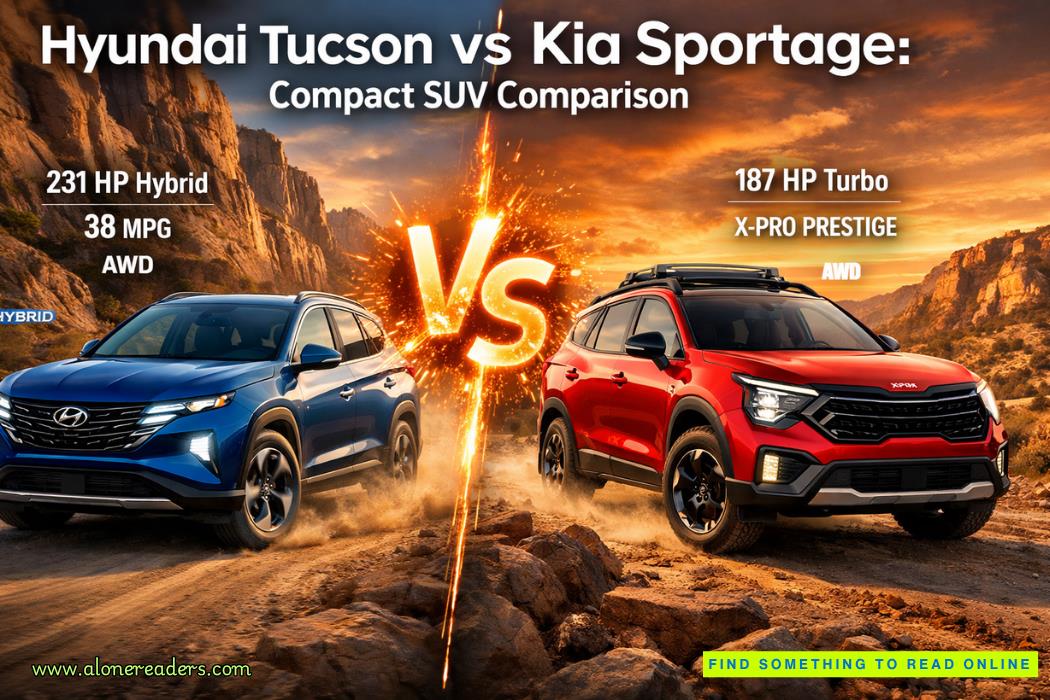
In the fiercely competitive compact SUV segment, the 2026 Hyundai Tucson and Kia Sportage stand out as platform-sharing siblings from the Hyundai-Kia alliance, offering near-identical mechanical foundations but distinct personalities tailored to different buyers. Both models have evolved through recent refreshes—the Tucson with its 2025 facelift carrying over seamlessly, and the Sportage gaining subtle 2026 tweaks for sharper styling and tech—making this head-to-head one of the most relevant for families, commuters, and adventure seekers eyeing value-packed daily drivers with hybrid options.
These vehicles excel in blending practicality, efficiency, and modern features, but diving deeper reveals nuanced differences in ride quality, interior ambiance, off-road chops, and long-term ownership appeal that could sway your decision.
The Hyundai Tucson and Kia Sportage ride on the same N3 platform, sharing a 108.5-inch wheelbase, 73.4-inch width, and similar overall dimensions: the Sportage measures 184.4 inches long versus the Tucson's 182.7 inches, with both offering 7.1 inches of ground clearance in base form. This commonality translates to comparable passenger space—five adults fit comfortably, with ample front headroom (around 40 inches) and legroom (41.4 inches)—but the Sportage edges ahead in rear cargo capacity at 39.6 cubic feet behind the second row (versus 38.7), flipping to 74.8 for the Tucson with seats folded (74.1 for Sportage).
Both start with a proven 2.5-liter naturally aspirated four-cylinder engine pumping out 187 horsepower and 178 lb-ft of torque, mated to an eight-speed automatic transmission. Front-wheel drive is standard, with available HTRAC all-wheel drive (AWD) that intelligently distributes torque. Fuel economy ties at an EPA-rated 25 city/33 highway/28 combined mpg for gas models, with 14.3-gallon tanks yielding similar ranges around 400 miles mixed.
Where they diverge is in powertrain variety and tuning: Hyundai pushes hybrids harder with Blue SE efficiency focus, while Kia emphasizes X-Line/X-Pro ruggedness. Both earn five-star NHTSA crash ratings across categories, with IIHS Top Safety Pick nods thanks to standard forward collision avoidance, lane-keeping assist, and blind-spot monitoring.
Hyundai Tucson's Bold, Parametric Presence
The 2026 Tucson carries its 2025 refresh forward with Hyundai's parametric design language—think jewel-like LED headlights in a seamless grille that spans the nose, creating an aggressive yet upscale vibe. Flared wheel arches and sculpted haunches give it a planted stance, especially on XRT trims with 19-inch alloys, black cladding, and orange tow hooks for light off-roading. Colors like Ultimate Red or Cyber Gray pop against chrome accents, and the panoramic sunroof (standard on higher trims) enhances openness.
Available 19-inch wheels roll on 235/60R18 tires (upgradable to all-terrain on XRT), contributing to a turning circle of 38.6 feet—nimble for urban parking. Aerodynamics are slick at 0.33 Cd, aiding efficiency.
Kia Sportage's Aggressive, Muscular Edge
Kia's 2026 Sportage amps the drama with its "Opposites United" ethos: a massive tiger-nose grille framed by boomerang LEDs, deeply chiseled sides, and roof rails that scream adventure. X-Line and X-Pro trims elevate this with 18-inch gloss-black wheels, red brake calipers, and up to 8.3 inches of clearance via taller suspension. The rear features production-style LED tails that wrap around, and hues like Mineral Blue or Cityscape Green add flair.
At 65.4 inches tall, it feels more imposing, with a slightly longer body aiding highway stability. Both share power-folding mirrors and hands-free liftgates on mid-trims, but Kia's available roof rails handle 165 pounds dynamically versus Hyundai's 150.
In person, the Tucson appeals to those wanting futuristic subtlety, while the Sportage draws eyes with bolder proportions—test both under streetlights to feel the charisma difference.
Gasoline Base: Smooth but Unexciting
Both kick off with the 2.5L Smartstream engine, delivering adequate shove for merging (0-60 mph around 9.3 seconds per independent tests). The eight-speed shifts crisply, with drive modes like Sport sharpening throttle response. Kia feels marginally peppier in real-world pulls due to tuning, hitting quarter-mile in 16.9 seconds at 82 mph (Tucson 17.0 at 83.6). Braking favors Tucson at 118 feet from 60 mph (Sportage 128 feet), and figure-eight handling tilts Hyundai's way at 27.4 seconds average.
Towing maxes 2,000 pounds stock for Tucson, 2,500 for Sportage—key for bike racks or small campers.
Hybrid Supremacy: Efficiency Meets Power
Here, both shine with a 1.6L turbo-four plus electric motor for 231 hp/258 lb-ft total, six-speed auto, and AWD standard on hybrids. Acceleration jumps to 7.2-8.0 seconds 0-60, with seamless EV blending up to 38 mpg combined (Sportage FWD hybrids hit 41). PHEV variants add 33-34 miles EV range, 80-84 MPGe, and 268 hp—Sportage PHEV edges quicker at 7.1 seconds 0-60.
Ride-wise, Tucson's suspension absorbs bumps plusher for family duty, while Sportage's firmer setup (especially X-Pro) grips corners confidently, with torque-vectoring AWD sending up to 50% rear power. Off-road, Sportage X-Pro's multi-terrain modes and higher clearance win trails; Tucson's XRT suffices for gravel.
Tucson's Spacious, Tech-Centric Cabin
Step inside the Tucson, and soft-touch materials, available leather, and dual-zone climate greet you. Front seats offer 8-way power with heating/ventilation; rears slide 10 inches for 38.7 inches legroom. The 12.3-inch dual-screen setup (navigation, wireless Apple CarPlay/Android Auto) is intuitive, with Bose audio and head-up display on Limited.
Cargo versatility shines: underfloor storage, 60/40 splits, and 74.8 cu ft max. Quiet cabin NVH beats class averages.
Sportage's Premium, Driver-Focused Layout
Kia counters with even plusher synthetics, panoramic 12.3-inch displays (brighter, with OTA updates), and Highway Driving Assist 2 for semi-autonomous cruising. Seats feel firmer/supportive, rears boast 41.3 inches legroom stock. Cargo leads at 39.6 cu ft, with dual-level floor and 74.1 max.
Higher trims add Digital Key 2.0, ventilated rears, and Meridian audio. Sportage feels more upscale tactilely, but Tucson's layout minimizes glare.
Both accommodate car seats easily (ISOFIX plus tethers), but Sportage's rear A/C vents and USB-C ports tip utility.
Standard 12.3-inch touchscreens dominate, with voice commands, Bluelink/UVO connectivity for remote start/preconditioning. Wireless charging, 10.25-inch driver clusters, and AR navigation elevate mid-trims.
Kia pulls ahead with standard dual panoramas from EX, plus Relaxion seats and augmented reality mirrors. Hyundai matches on Limited with Surround View cams and Digital Key. Both support 64-color ambient lighting.
Full suites include adaptive cruise, evasive steering, safe-exit warnings, and 360 cameras. Five stars NHTSA/Euro NCAP, with Tucson's front center airbag and junction-turn assist standard. Sportage adds parking collision avoidance reverse; both score low fault rates in surveys.
Hyundai Tucson Pricing
Hybrids from $33,900 (Blue SE AWD), PHEV ~$39,000+.
Kia Sportage Pricing
Hybrids/PHEV similar delta, starting $34,000.
Kia often undercuts loaded equivalents; both back 5/10-year/60k powertrain (Kia 10/100k bumper-to-bumper).
Both score high in J.D. Power (80+ dependability), with hybrids fault-free per surveys. Kia's longer warranty edges long-term costs.
Tucson for plush comfort, hybrid value, braking prowess—ideal families/commuters. Sportage for style, cargo, off-road, premium tech—adventurers choose it. Test drive both; they're too close without sitting behind the wheel. At under $40k loaded, either crushes rivals like CR-V/RAV4 on features-per-dollar.



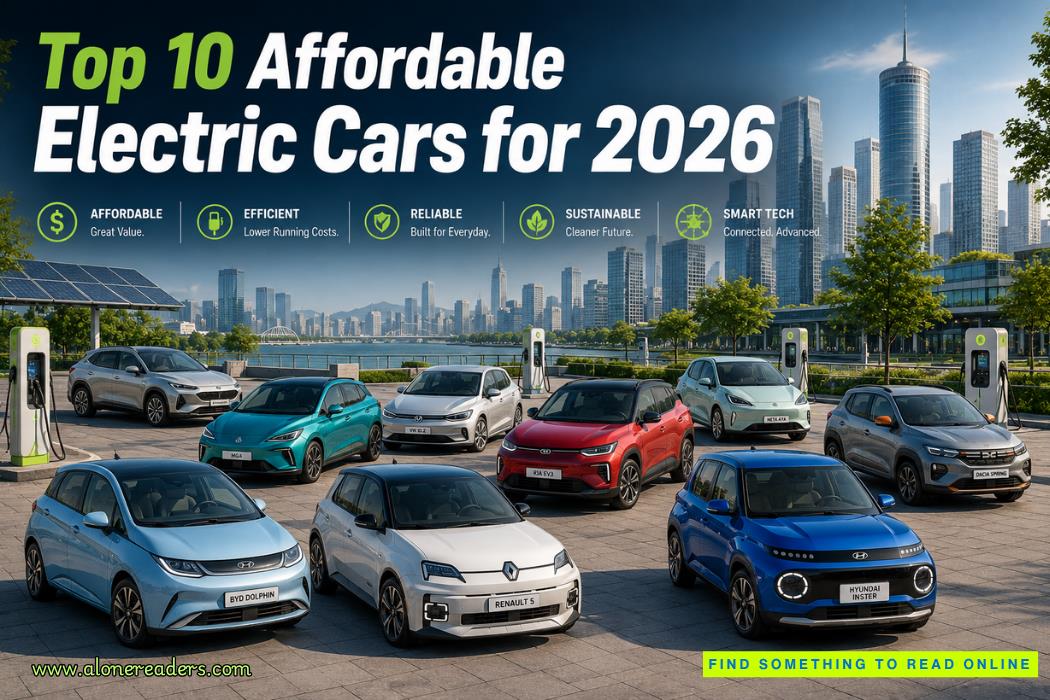 Top 10 Affordable Electric Cars for 2026: Best Budget EVs Worldwide
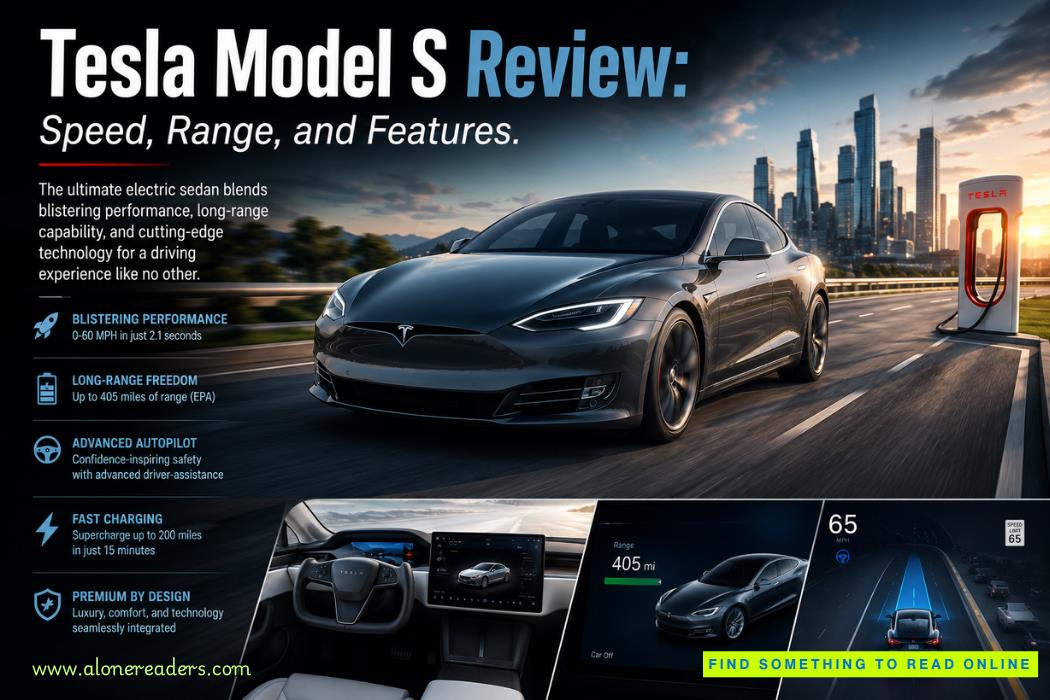 Tesla Model S Review: Speed, Range, and Features in 2026
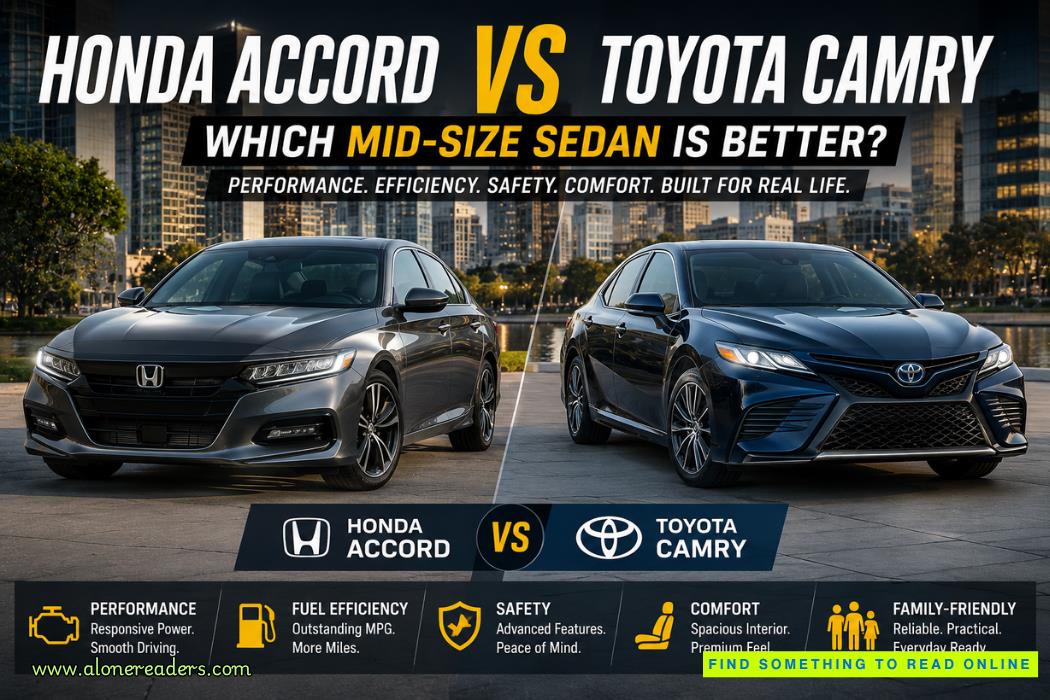 Honda Accord vs Toyota Camry: Which Mid-Size Sedan Is Better?
 Chevrolet Silverado vs GMC Sierra: Which Truck Wins?
 2026 Jeep Wrangler Review: Off-Road Capabilities Tested in Extreme Terrain
 2026 Nissan Altima Review: Tech, Comfort, and Safety – In-Depth Expert Analysis