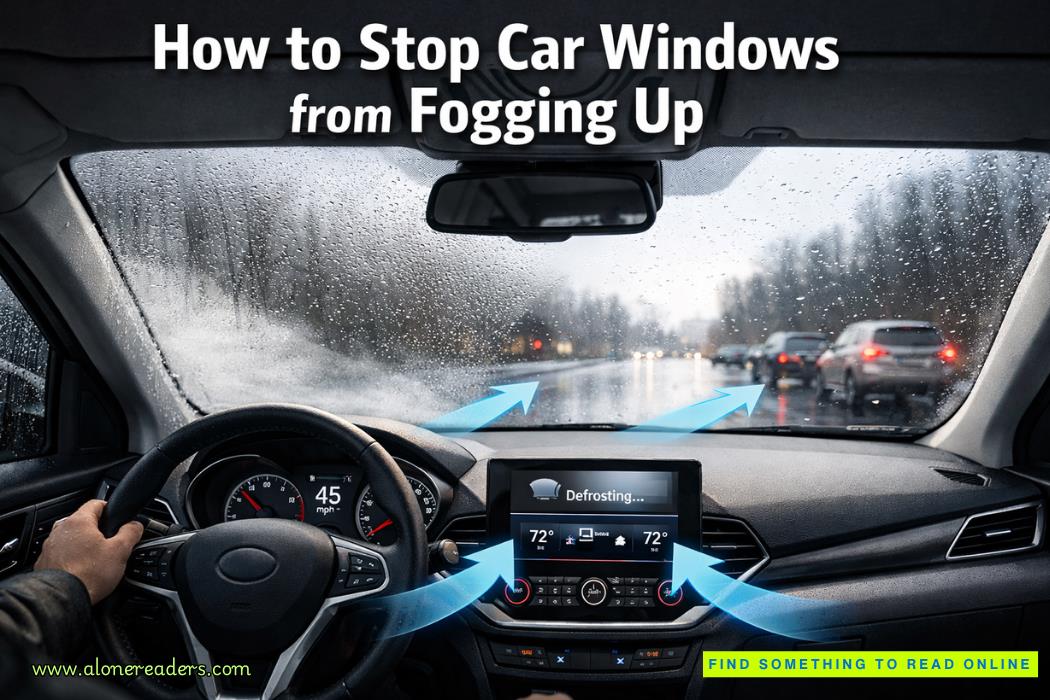
Few driving issues feel as immediately frustrating—and potentially dangerous—as fogged‑up car windows. One moment visibility is fine, and the next your windshield turns milky white, side windows blur, and mirrors become almost useless. This problem occurs silently and rapidly, often at the worst possible time: early morning commutes, rainy evenings, winter drives, or when multiple passengers enter the vehicle with wet clothes.
Window fogging is not simply an inconvenience. It is a direct visibility hazard that can reduce reaction time, hide pedestrians, distort headlights, and increase accident risk. Many drivers attempt quick fixes such as wiping the glass with a sleeve or blasting random air settings, but these methods often make the situation worse.
Understanding how and why car windows fog is essential to stopping it effectively. Fogging is a predictable physical reaction involving temperature differences, humidity levels, interior moisture sources, and airflow management. Once these factors are controlled correctly, fogging can be reduced dramatically—or eliminated altogether.
This guide explains in precise, practical terms how to stop car windows from fogging up. It covers the science behind condensation, correct use of your vehicle’s climate system, immediate emergency fixes, long‑term preventive strategies, and common mistakes most drivers unknowingly make.
Condensation physics explained simply
Car windows fog when warm, moisture‑laden air inside the cabin contacts a colder glass surface. When warm air cools rapidly, it loses its ability to hold water vapor. The excess moisture converts into microscopic droplets that cling to the glass, forming fog.
This means fogging always requires two conditions: • Moist air inside the vehicle • Glass temperature lower than cabin air
When both exist simultaneously, fogging is inevitable unless airflow or humidity is controlled.
Interior moisture sources most drivers overlook
Moisture inside a car builds up faster than expected. Common sources include: • Wet clothing and shoes • Umbrellas placed inside the cabin • Snow or rain carried in on floor mats • Breathing from passengers • Warm drinks • Leaks in door seals • Damp carpets or insulation
Even a small amount of moisture trapped in carpet padding can raise cabin humidity significantly.
Why fogging worsens in winter and rain
Fogging becomes worse when outside temperatures are low because the glass cools rapidly. Rain increases humidity both inside and outside the vehicle, making condensation easier to form. In winter, warm breath from occupants immediately condenses on cold glass.
This is why fogging often happens even before the engine warms up.
Difference between defog and defrost
Although often used interchangeably, these functions operate slightly differently:
Modern vehicles combine both functions into one automatic mode.
How defogging actually works
Effective defogging relies on three actions occurring together: • Direct airflow toward glass • Reduce humidity inside cabin • Warm the glass slightly above dew point
If even one of these elements is missing, fog persists.
Why simply turning on the fan often fails
Airflow alone does not remove moisture. If the air being blown is humid, fog will spread rather than disappear. This is why improper settings can make windows fog faster.
Use air conditioning—even in winter
This is one of the most misunderstood principles in automotive climate control.
Air conditioning does not exist only to cool air. Its primary function is moisture removal. When activated, the AC system condenses humidity out of the air before releasing it into the cabin.
Even in cold weather:
This combination dries interior air rapidly.
Set airflow direction properly
Air must be directed toward the windshield vents. Face vents alone will not clear fog effectively. Side window vents are equally important, as fog often starts at window edges.
Increase fan speed temporarily
Higher airflow accelerates moisture removal. Once visibility is restored, fan speed can be reduced.
Avoid recirculation mode
Recirculation traps moist air inside the cabin, increasing humidity levels rapidly.
Always switch to: Fresh air intake
This allows drier external air to replace humid interior air.
Warm air works faster than cold air
Warm air holds more moisture than cold air. Slightly heated air helps absorb condensation from glass surfaces and prevents re‑fogging.
Using recirculation during fogging
This is the most frequent error. Recirculation continuously reuses moisture‑heavy air, accelerating condensation.
Wiping windows with cloth or hands
This spreads oils and residue across glass, creating streaks that fog more easily later.
Turning off AC to save fuel
The minimal fuel savings are insignificant compared to the safety risk of poor visibility.
Opening windows briefly in heavy rain
This often introduces more humidity instead of reducing it.
Keep interior glass perfectly clean
Dirty glass attracts condensation faster. Oils from hands, dashboards, air fresheners, and smoke create a film that moisture clings to.
Clean interior glass using:
Avoid ammonia cleaners on tinted windows.
Dry your floor mats regularly
Wet mats are one of the largest hidden moisture reservoirs in vehicles. Remove rubber mats and dry them completely. For fabric mats, vacuum and air‑dry frequently.
Check for water leaks
Fog that persists daily often indicates water intrusion. Common leak points include:
Damp carpet padding can hold moisture for weeks.
Avoid leaving wet items inside the car
Jackets, umbrellas, gym clothes, and towels release moisture slowly over time, raising humidity continuously.
Use moisture absorbers
Desiccant packs or silica‑based moisture absorbers placed under seats can significantly reduce ambient humidity, especially in humid climates.
Commercial anti‑fog sprays
These create a thin hydrophilic layer that spreads moisture evenly rather than forming droplets. Effectiveness varies and requires reapplication.
Household solutions sometimes used
Some drivers use diluted soap or shaving foam wiped thinly on glass. While temporarily effective, residue buildup can occur and visibility may degrade at night.
Professional products remain the safer option.
Hydrophobic exterior coatings
While these do not prevent interior fog, they improve exterior rain runoff, improving visibility during wet weather overall.
Cold climate driving
Humid and tropical climates
Rainy coastal regions
Why it matters
A clogged cabin air filter restricts airflow and traps moisture. Reduced airflow slows defogging and increases humidity retention.
When to replace it
Typically every 12 months, or sooner if:
A clean filter dramatically improves defog efficiency.
Pre‑condition the cabin
Run AC for several minutes before driving in humid conditions.
Use windshield sunshades overnight
They reduce glass temperature difference in the morning, lowering condensation risk.
Ventilate briefly before driving
Opening doors for 30–60 seconds releases trapped humidity.
Avoid dashboard silicone dressings
These evaporate oils that settle on glass and attract moisture.
Driving with fogged windows significantly increases accident risk. If visibility drops: \
Never attempt to drive blindly while waiting for fog to clear.
Car window fogging is not random, unavoidable, or purely weather‑related. It is the direct result of moisture imbalance, temperature differences, and improper airflow management. Once the underlying mechanics are understood, preventing fog becomes predictable and controllable.
The most effective solution combines proper climate control use, particularly air conditioning with fresh air intake, along with long‑term moisture reduction inside the vehicle. Clean glass, dry carpets, functional cabin filters, and correct airflow settings together create a stable environment where fog cannot easily form.
Rather than reacting each time fog appears, drivers who address the root causes experience consistently clear windows in rain, cold mornings, winter nights, and humid conditions.
Clear visibility is not a luxury—it is a fundamental safety requirement. With the correct techniques applied consistently, fogged windows can become a rare occurrence rather than a daily frustration.



 Top 10 Affordable Electric Cars for 2026: Best Budget EVs Worldwide
 Tesla Model S Review: Speed, Range, and Features in 2026
 Honda Accord vs Toyota Camry: Which Mid-Size Sedan Is Better?
 Chevrolet Silverado vs GMC Sierra: Which Truck Wins?
 2026 Jeep Wrangler Review: Off-Road Capabilities Tested in Extreme Terrain
 2026 Nissan Altima Review: Tech, Comfort, and Safety – In-Depth Expert Analysis