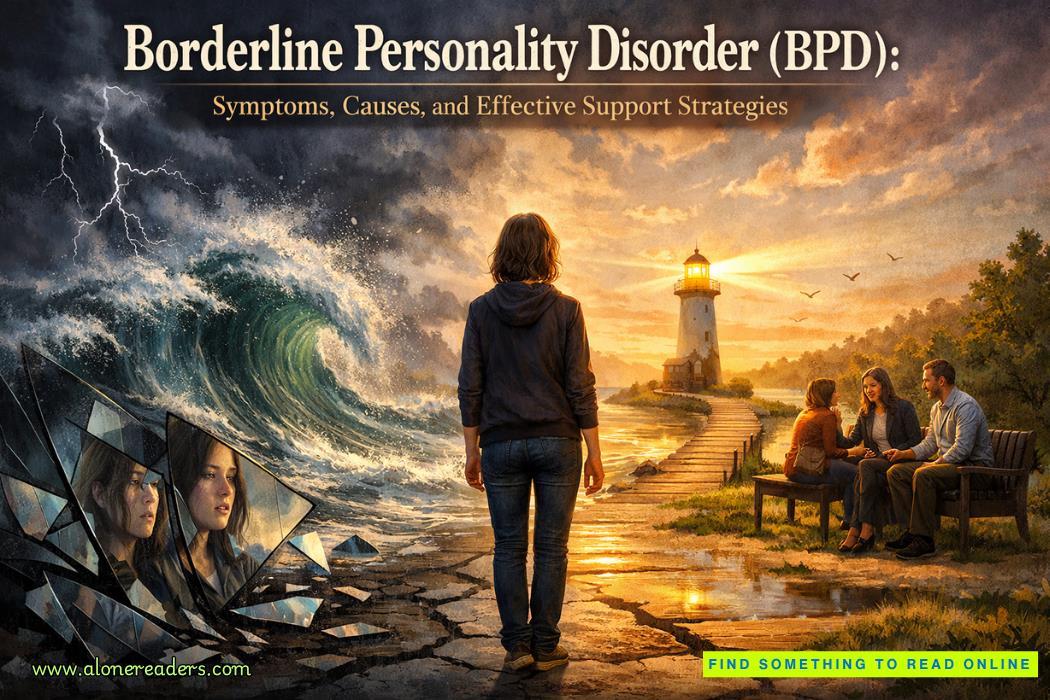
Borderline Personality Disorder (BPD) is a complex and often misunderstood mental health condition characterized by pervasive instability in emotional regulation, self-image, interpersonal relationships, and behavioral control. Clinically classified under personality disorders, BPD manifests as a pattern of intense emotional experiences, impulsivity, and profound sensitivity to perceived abandonment. Despite its severity, BPD is highly treatable with structured therapeutic approaches and consistent support systems.
Understanding BPD requires moving beyond surface-level descriptions and examining the nuanced interplay between neurobiology, early developmental experiences, and cognitive-emotional processing patterns. Individuals with BPD are not simply “emotionally unstable”—they experience emotions with extraordinary intensity, rapid shifts, and prolonged duration, often without the internal regulatory mechanisms that others take for granted.
Emotional Dysregulation
One of the hallmark features of BPD is emotional dysregulation. Individuals experience emotions that are disproportionately intense relative to triggers, and these emotional states can shift rapidly. A minor interpersonal conflict may trigger overwhelming sadness, anger, or anxiety that persists for hours or days. This is not merely moodiness; it reflects a dysregulated limbic response coupled with reduced prefrontal modulation.
Fear of Abandonment
A pervasive and often debilitating fear of abandonment is central to BPD. This fear is not limited to actual abandonment but includes perceived or anticipated rejection, even in ambiguous situations. As a result, individuals may engage in frantic efforts to avoid abandonment—such as excessive reassurance-seeking, clinging behaviors, or, paradoxically, pushing others away to preempt rejection.
Unstable Interpersonal Relationships
Relationships in BPD are frequently intense and volatile. Individuals may oscillate between idealization and devaluation, a cognitive distortion often referred to as “splitting.” A partner or friend may be seen as perfect one moment and entirely untrustworthy the next. This instability can strain relationships and create a cycle of conflict and reconciliation.
Disturbed Self-Image (Identity Diffusion)
People with BPD often struggle with a fragmented or unstable sense of self. Their identity, values, and goals may shift dramatically over time. This instability can manifest as sudden changes in career aspirations, personal beliefs, or even sexual identity. The underlying issue is a lack of a coherent and integrated self-concept.
Impulsivity in Risky Behaviors
Impulsivity is another core symptom, often expressed through behaviors that provide immediate emotional relief but long-term harm. These may include substance misuse, reckless spending, unsafe sexual behavior, binge eating, or self-sabotaging decisions. The impulsivity is typically emotion-driven rather than sensation-seeking.
Chronic Feelings of Emptiness
Many individuals with BPD report a persistent sense of internal emptiness or void. This is not simply boredom; it is a deep existential lack of meaning or connection, often driving individuals to seek external stimulation or relationships to fill the gap.
Intense Anger and Difficulty Controlling It
Anger in BPD can be sudden, intense, and difficult to regulate. Outbursts may appear disproportionate to the situation and are often followed by feelings of guilt or shame. The anger is frequently linked to perceived rejection or invalidation.
Self-Harm and Suicidal Behavior
Self-injurious behavior and suicidal ideation are serious concerns in BPD. These behaviors are often coping mechanisms to manage overwhelming emotional pain rather than genuine desires to die. However, the risk remains clinically significant and requires immediate intervention.
Neurobiological Factors
Research indicates abnormalities in brain regions responsible for emotional regulation, including the amygdala and prefrontal cortex. Individuals with BPD often exhibit heightened amygdala reactivity and reduced regulatory control, leading to exaggerated emotional responses.
Early Childhood Trauma and Attachment Disruptions
A significant proportion of individuals with BPD report histories of childhood trauma, neglect, or inconsistent caregiving. These early experiences disrupt secure attachment formation, leading to maladaptive schemas around trust, safety, and self-worth.
Genetic Predisposition
While not deterministic, there is evidence suggesting a heritable component to BPD. Individuals with a family history of mood disorders or personality disorders may have increased vulnerability.
Invalidating Environments
Growing up in an environment where emotional experiences are dismissed, punished, or ignored can impair the development of healthy emotional regulation strategies. This concept is central to many therapeutic models for BPD.
Dialectical Behavior Therapy (DBT)
DBT is widely regarded as the gold standard treatment for BPD. It integrates cognitive-behavioral techniques with mindfulness principles and focuses on four key skill domains:
DBT is structured, skills-based, and typically delivered through a combination of individual therapy, group sessions, and coaching.
Mentalization-Based Therapy (MBT)
MBT focuses on improving the individual’s ability to understand their own and others’ mental states. Many people with BPD struggle with accurately interpreting intentions, leading to misperceptions and relational conflict. MBT strengthens reflective functioning, reducing emotional reactivity.
Schema Therapy
Schema therapy targets deeply ingrained maladaptive beliefs formed during early life. These schemas—such as abandonment, mistrust, or defectiveness—drive emotional and behavioral patterns in BPD. The therapy works to restructure these core beliefs and replace them with healthier cognitive frameworks.
Medication (Adjunctive Role)
There is no medication specifically approved for BPD, but pharmacotherapy may be used to manage co-occurring symptoms such as depression, anxiety, or mood instability. Medication should always be considered adjunctive rather than primary treatment.
Developing Emotional Awareness
Learning to identify emotional triggers and early warning signs is critical. Keeping an emotional log or using structured tools can help individuals map patterns and intervene earlier.
Structured Daily Routines
Consistency reduces emotional volatility. Establishing routines around sleep, meals, and activities can stabilize physiological and psychological functioning.
Crisis Planning
Having a predefined plan for moments of emotional overwhelm—including coping strategies and emergency contacts—can prevent escalation into self-harm or impulsive actions.
Building Safe Relationships
Prioritizing relationships that are stable, respectful, and validating is essential. This often involves setting boundaries and gradually reducing dependency on high-conflict interactions.
Psychoeducation
Understanding BPD as a clinical condition—not a personality flaw—is crucial. This reduces stigma and fosters empathy in caregiving environments.
Consistent Boundaries
While empathy is important, boundaries must remain firm and consistent. Inconsistent responses can reinforce maladaptive behaviors and increase emotional instability.
Validation Without Reinforcement
Caregivers should validate emotional experiences (“I understand that you’re feeling hurt”) without endorsing harmful behaviors. This distinction is critical in maintaining both compassion and accountability.
Avoiding Reactive Engagement
Responding impulsively to emotional outbursts can escalate situations. Maintaining a calm, structured approach helps de-escalate conflict.
Contrary to outdated beliefs, BPD has a favorable prognosis with appropriate treatment. Longitudinal studies indicate that a significant proportion of individuals experience substantial symptom reduction over time. Recovery does not necessarily mean the absence of emotional intensity but rather the development of effective regulation, stable relationships, and a coherent sense of self.
The trajectory of BPD is highly responsive to early intervention, therapeutic consistency, and environmental stability. Individuals who engage in structured therapies like DBT often demonstrate measurable improvements in functioning within one to two years.
Borderline Personality Disorder represents a profound challenge in emotional regulation and interpersonal functioning, but it is far from untreatable. At its core, BPD is not a failure of character but a dysregulation of emotional systems shaped by biological sensitivity and environmental factors. With the right combination of evidence-based therapy, structured support, and informed caregiving, individuals with BPD can achieve meaningful and sustained recovery.
The most effective approach to BPD is one that balances clinical rigor with human empathy—recognizing both the severity of the condition and the resilience of those who live with it.



 Mindfulness Practices to Enhance Mental Health: Science-Backed Techniques for Emotional Resilience
 Pavlova Christmas Tree – A Light, Festive & Stunning Holiday Dessert
 Sticky Glazed Christmas Chicken – A Sweet and Savory Delight for the Holiday Table
 Gingerbread Biscuits and Cakes – A Complete Festive Recipe Guide
 Beef Wellington – A Masterpiece Main Dish for Special Occasions
 The Role of Preventive Care in Maintaining Physical Health: A Deep Expert Analysis