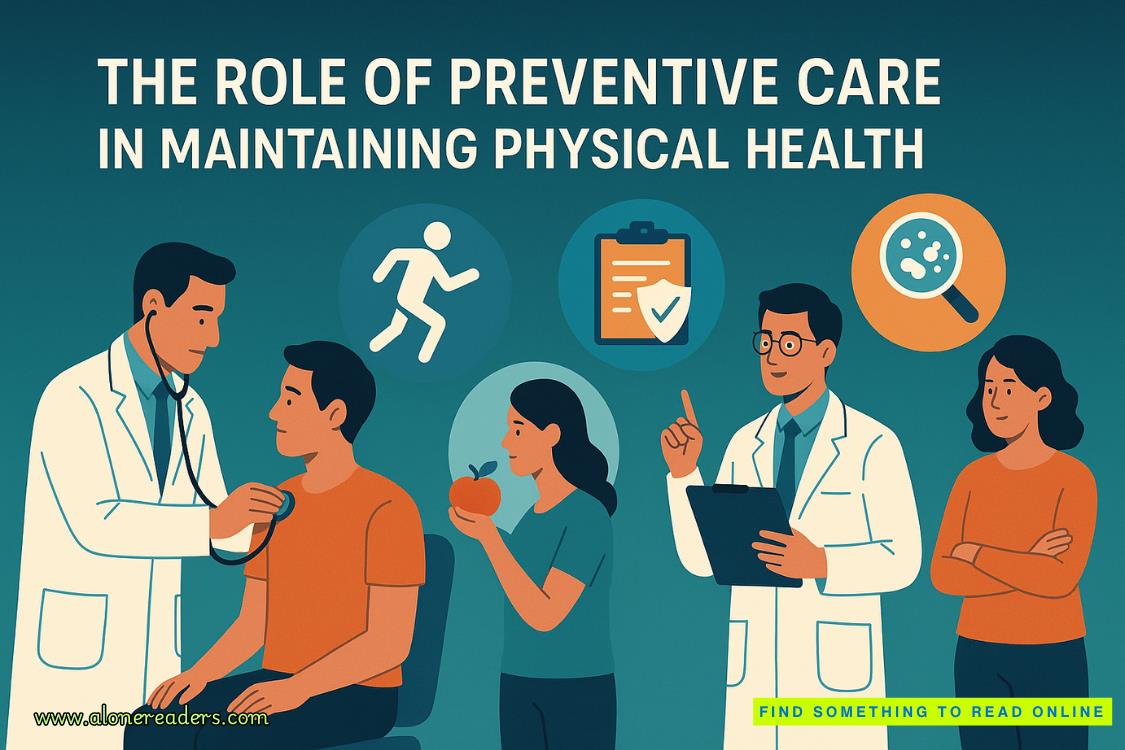
Preventive care is not just a modern medical concept—it is the foundation of sustainable health management. Instead of focusing only on treatment after illness occurs, preventive care aims to protect health before problems emerge, saving individuals from complications, disabilities, or lengthy treatments in the future. The core principle is simple: it is easier and more effective to maintain health than to restore it after breakdown. In today’s aging populations, sedentary lifestyles, and rise of chronic illnesses, the role of preventive care is more critical than ever. A strategically designed preventive healthcare routine involves medical screenings, vaccinations, dietary regulation, physical activity, lifestyle monitoring, and proactive risk assessment. Each of these components works collectively to build a resilient body, reduce medical expenses, and improve quality of life.
Understanding the shift from treatment to prevention
Historically, healthcare revolved around diagnosing illness and administering treatment. However, the rise of lifestyle-related diseases such as diabetes, cardiovascular disease, obesity, and hypertension led to a shift. Medical professionals realized that detecting risk factors early, even before symptoms existed, helped reduce disease prevalence dramatically. This approach saves lives, minimizes treatment costs, and reduces national healthcare burdens.
Economic impact of preventive healthcare
Preventive medicine not only promotes wellness—it significantly lowers long-term medical expenses. Hospitalizations, surgeries, and advanced treatments are far more expensive than screening tests, counseling, and lifestyle guidance. Employers and governments increasingly favor preventive care models because healthier individuals lead to reduced absenteeism, higher productivity, and less reliance on intensive medical support.
Routine medical check-ups and screenings
Health screenings are designed to detect underlying problems before they manifest physically. Key screenings include:
Even a single abnormal value can act as a “warning signal” for impending disease, providing time to intervene with lifestyle changes, medication, or behavioral modifications.
Vaccinations and immunization schedules
Vaccines are one of the most powerful tools of preventive medicine. They work by preparing the immune system to fight pathogens before full infection occurs. Childhood vaccinations normally eliminate major threats early in life, whereas adult vaccinations prevent influenza, pneumonia, hepatitis, and shingles. Immunization schedules depend on age, health status, and travel requirements. Maintaining an updated vaccination record reduces vulnerability to preventable diseases that may otherwise require critical care.
Nutritional planning and diet moderation
Food is the most basic form of preventive medicine. A well-structured diet reduces the risk of heart disease, obesity, hormonal imbalance, and digestive complications. Balanced consumption of proteins, complex carbohydrates, healthy fats, vitamins, fiber, and hydration can be customized for personal health needs. Processed sugars, saturated fats, and excessive sodium are major contributors to long-term inflammation and chronic illness. Prevention begins on the dining table—nutrition determines energy levels, hormonal stability, metabolic strength, and immune function.
Physical activity as disease prevention
Regular physical activity strengthens cardiovascular health, preserves bone density, improves digestion, regulates insulin, enhances mood, and slows aging. A preventive care model promotes structured exercise:
Movement counters the consequences of long sedentary hours, which are now recognized as one of the most overlooked health risks of the 21st century. Preventive care encourages individuals to stay physically active, even through small steps such as walking breaks, stretching routines, or activity trackers.
Sleep quality and stress management
Poor sleep disrupts hormone balance, weakens the immune system, and impairs cognitive function. Chronic stress increases cortisol levels, promoting inflammation, high blood pressure, and depression. Preventive health strategies include regulating sleep patterns, identifying stress triggers, and incorporating relaxation techniques such as breathing exercises, mindfulness, physical activity, or counseling.
Avoidance of harmful habits
Smoking, excessive alcohol intake, and recreational drug use significantly increase the risk of stroke, cancer, and organ damage. Preventive care acknowledges human behavior and intervenes early by providing cessation programs, support groups, and risk counseling to help individuals shift toward healthier choices.
Monitoring early warning signs
Unexplained fatigue, sudden weight change, abnormal skin patches, persistent coughs, or digestive irregularities are subtle signs that the body needs attention. Preventive care teaches individuals to recognize these symptoms before they escalate into critical conditions. Early medical consultation improves recovery outcomes and reduces the need for aggressive treatment.
Children and adolescents
During growth phases, preventive care focuses on vaccinations, dental health, eyesight, nutrition, and behavioral development. Early detection of allergies, autoimmune disorders, or developmental delays creates opportunities for timely intervention.
Adults
Working-age individuals often develop stress-related symptoms and lifestyle disorders. Screenings for cholesterol, weight gain, blood pressure, and hormonal changes are essential. Regular assessment helps maintain metabolic health and prevent the progression of silent diseases.
Elderly population
With age, the body’s regenerative capacity slows. Preventive care aims to preserve mobility, protect bone strength, support cognitive function, and reduce hospitalizations. Programs include fall-prevention routines, joint health exercises, nutritional supplementation, and memory assessments.
Physical health cannot be separated from mental well-being. Chronic stress, anxiety, depression, or emotional instability lead to increased inflammation and reduced immunity. Preventive care integrates mental health screenings, behavioral therapies, counseling, and early diagnosis of mood disorders. Loneliness, social isolation, and screen dependency are health risks that need proactive interventions. Prevention includes community engagement, cognitive stimulation, social activities, and emotional support.
Key self-assessment questions
A preventive approach begins by asking:
Honest answers to these questions provide a foundation for healthier living.
Incorporating technology into preventive health
Fitness trackers, calorie monitors, smartwatches, and health apps provide real-time insights into activity levels, heart rate changes, sleep patterns, and stress indicators. Technology helps individuals develop discipline, maintain accountability, and track progress. However, human judgment is still essential—technology supports health, but cannot replace medical advice.
Preventive health routines deliver cumulative benefits. They strengthen immunity, stabilize weight, control inflammation, and preserve organ function. Most importantly, preventive care increases life expectancy while maintaining independence and mobility in later years. It empowers individuals to take control of their health and reduces the fear of medical uncertainty. Ultimately, preventive care is not just about reducing diseases—it is about shaping a healthier lifestyle, adapting intelligently to changing physical needs, and protecting the body before damage occurs.
Preventive care is a lifelong commitment, not a temporary action. By understanding its principles and integrating them into daily living, individuals move from a reactive healthcare mindset to a proactive lifestyle. It enables early intervention, reduces suffering, minimizes medical costs, promotes productivity, and enriches physical and mental strength. The future of medicine will rely heavily on prevention—and those who adopt it early will experience stronger resilience, greater longevity, and a healthier quality of life.



 The Power of Positive Thinking: How to Cultivate Optimism for Lasting Success
 Mindfulness Practices to Enhance Mental Health: Science-Backed Techniques for Emotional Resilience
 Pavlova Christmas Tree – A Light, Festive & Stunning Holiday Dessert
 Sticky Glazed Christmas Chicken – A Sweet and Savory Delight for the Holiday Table
 Gingerbread Biscuits and Cakes – A Complete Festive Recipe Guide
 Beef Wellington – A Masterpiece Main Dish for Special Occasions