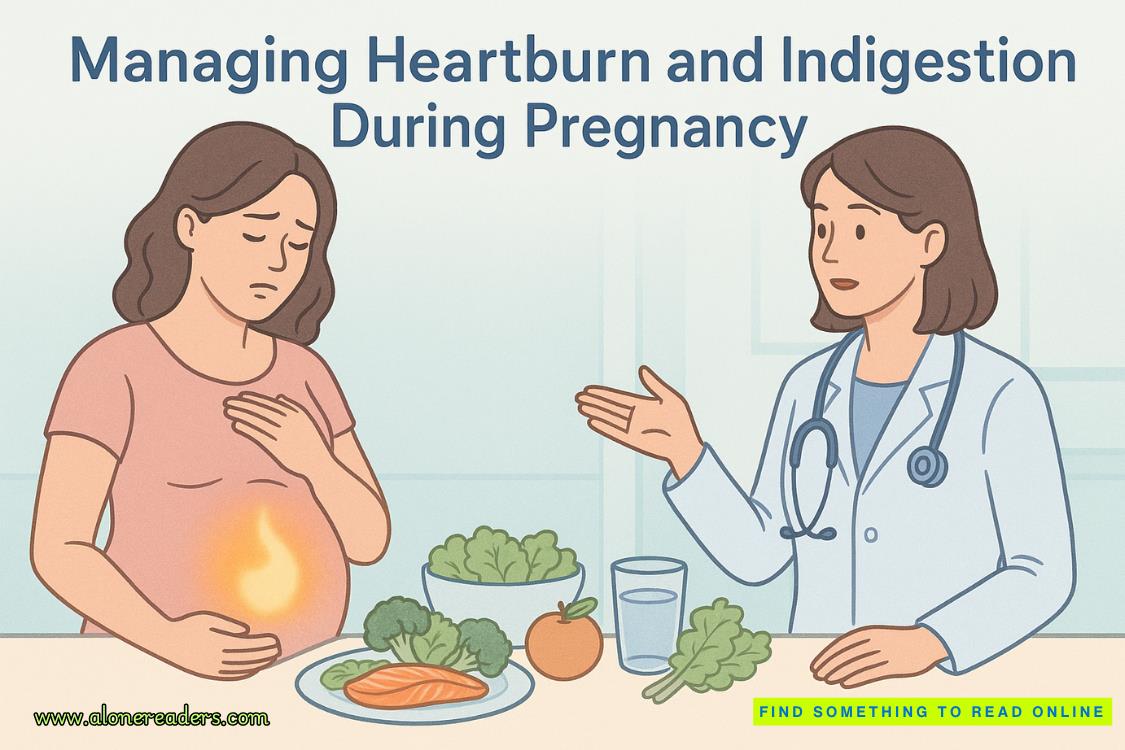
Pregnancy is a transformative journey, but it often brings physical challenges that many expectant mothers do not anticipate—one of the most common being heartburn and indigestion. These digestive discomforts typically intensify during the second and third trimesters and may impact daily activities, sleep quality, and emotional well-being. Understanding why this happens, how to manage it safely, and when to seek medical attention can make a remarkable difference in comfort and health during pregnancy.
Hormonal changes
During pregnancy, progesterone—the hormone responsible for relaxing muscles to support fetal growth—also relaxes the lower esophageal sphincter (LES). This valve usually prevents stomach acid from rising into the esophagus. When it relaxes, acid reflux becomes more likely, leading to a burning sensation in the chest.
Growing uterus pressure
As the baby grows, the expanding uterus begins to push upwards against the stomach, causing gastric pressure and slowed digestion. This physical compression encourages acid to move upward and causes bloating, discomfort, and indigestion.
Slower digestion
Progesterone also slows intestinal motility to improve nutrient absorption, but this delayed digestion frequently results in gas, belching, and prolonged fullness, making meals difficult to tolerate.
Burning sensation in the chest or throat
The primary symptom of heartburn is a sour or burning feeling rising from the stomach, especially after meals or while lying down.
Burping and bloating
Excess gas, abdominal tightness, or the constant need to burp can be signs of indigestion rather than heartburn alone.
Nausea after eating
Many pregnant women experience a wave of discomfort or nausea when meals are heavy, spicy, or oily.
Metallic or acidic taste in the mouth
Reflux can cause stomach acids to reach the throat, leaving a persistent acidic taste, especially when lying down at night.
Eat smaller, more frequent meals
Large meals expand the stomach and increase pressure on the LES. Eating five to six lighter meals throughout the day helps reduce discomfort.
Avoid eating before bedtime
Leave at least two to three hours between your last meal and sleep. This gives your stomach time to empty and reduces nighttime reflux.
Maintain an upright posture after meals
Sitting or walking gently after eating helps digestion and prevents stomach acid from moving upward.
Sleep with head elevated
Using an extra pillow or a wedge pillow keeps the upper body inclined, reducing reflux during sleep.
Wear loose and comfortable clothing
Tight clothes around the abdomen increase pressure on the stomach and worsen symptoms.
Common triggers include:
• Spicy foods (chili, curry, hot sauce)
• Citrus fruits and juices (oranges, lemons)
• Caffeinated drinks
• Chocolate
• Fried and oily food
• Carbonated beverages
• Processed meats and fast foods
Why these trigger discomfort:
These foods are known to irritate the stomach lining, increase acid production, or slow digestion. Eliminating them or reducing portion size can significantly improve symptoms within days.
Soothing and digestive-friendly options:
• Ginger tea in small amounts
• Oatmeal and whole grains
• Yogurt with live cultures
• Lean proteins such as fish or chicken
• Almonds and small portions of nuts
• Bananas and melons
• Steamed vegetables
These foods help regulate stomach acid, promote smooth digestion, and maintain steady energy levels during pregnancy.
Chewing sugar-free gum
Stimulates saliva production, helping neutralize stomach acid.
Warm water with a teaspoon of honey
Soothes the esophagus and reduces irritation.
Ginger in moderation
Known for reducing nausea and aiding digestion, but should not be consumed in high doses.
Fennel seeds or chamomile tea
Can ease bloating and indigestion when used occasionally and in small amounts.
Antacids
Most antacids containing calcium carbonate or magnesium hydroxide are considered safe during pregnancy if taken in appropriate doses. However, antacids containing sodium bicarbonate or aspirin should be avoided.
H2 blockers (e.g., ranitidine or famotidine)
These reduce acid production and may be recommended by doctors when lifestyle changes are insufficient.
Proton pump inhibitors (PPIs)
Stronger medications for severe reflux, only prescribed when necessary and generally after other options fail.
Use caution: Never self-prescribe medication. Always consult a healthcare provider, especially during pregnancy.
Consult a doctor if you experience:
• Persistent vomiting with heartburn
• Severe chest pain or difficulty swallowing
• Weight loss due to inability to eat
• Black or bloody stools
• Pain interfering with sleep every night
• Difficulty breathing or choking sensations
These may indicate complications such as GERD, ulcers, or esophagitis, which require professional treatment.
Nighttime is often the most uncomfortable period for pregnant women. To minimize symptoms:
• Eat your last meal early
• Use a wedge pillow for elevation
• Sleep on your left side for optimal digestion
• Avoid drinking large amounts of fluids before bed
• Keep a food and symptom diary to track triggers
Chronic indigestion can lead to irritability, anxiety, fatigue, and poor sleep quality. Many women feel frustrated when lifestyle changes do not provide immediate relief. It is essential to remember that these symptoms are common and usually temporary. Taking steps to manage stress—such as gentle prenatal yoga, breathing exercises, or short walks—can improve digestion and mood simultaneously.
Heartburn and indigestion typically subside shortly after childbirth, as hormonal levels normalize and the pressure on the stomach decreases. Most women recover fully within weeks. If symptoms persist, a medical evaluation may be necessary to rule out lasting digestive issues.
Heartburn and indigestion during pregnancy are uncomfortable but manageable with informed strategies. Through dietary adjustments, safe remedies, attentive symptom tracking, and medical guidance when necessary, most pregnant women can experience significant relief. The key is to understand the body’s changes and respond with gentle, consistent practices that support both mother and baby. With patience and the right approach, digestive comfort can be restored—making the pregnancy journey healthier, calmer, and more enjoyable.



 The Power of Positive Thinking: How to Cultivate Optimism for Lasting Success
 Mindfulness Practices to Enhance Mental Health: Science-Backed Techniques for Emotional Resilience
 Pavlova Christmas Tree – A Light, Festive & Stunning Holiday Dessert
 Sticky Glazed Christmas Chicken – A Sweet and Savory Delight for the Holiday Table
 Gingerbread Biscuits and Cakes – A Complete Festive Recipe Guide
 Beef Wellington – A Masterpiece Main Dish for Special Occasions