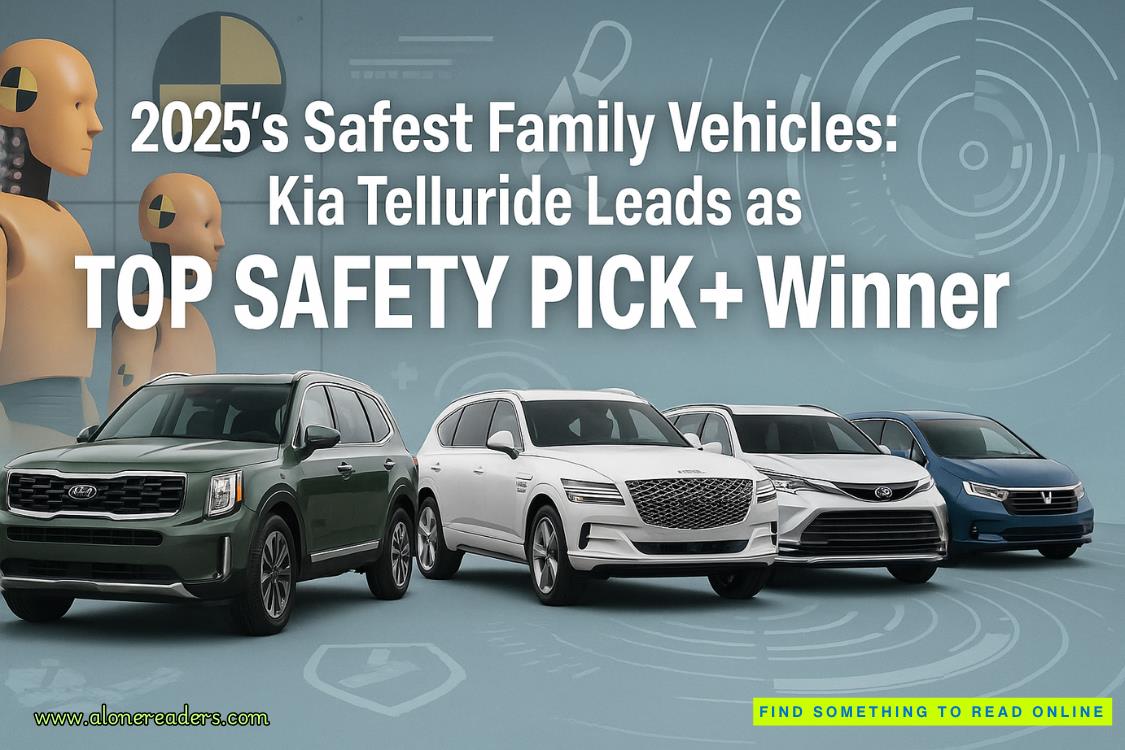
In 2025, the automotive safety landscape looks dramatically different from even a few years ago. Testing standards have grown stricter, real-world crash scenarios have become more complex, and family buyers have become more demanding about what “safe” truly means. This year’s safety rankings highlight an important shift: only a handful of vehicles have met the most rigorous standards established by the Insurance Institute for Highway Safety (IIHS). At the top of this elite list sits the 2025 Kia Telluride—now the three-time consecutive recipient of the TOP SAFETY PICK+ award under the industry’s toughest testing regime.
The Telluride’s recognition matters not only because it consistently performs well, but because the newest IIHS standards emphasize rear-seat and child protection, an area where many previously high-scoring vehicles now struggle. With families placing increasing importance on protecting their youngest passengers, the 2025 awards highlight a new safety frontier.
The 2025 Telluride stands apart for combining structural strength, crash energy management, and advanced driver-assistance technology. It scored “Good” in every IIHS crash category—a rare achievement in a year when many competitors were downgraded due to poor rear-passenger protection. The updated moderate overlap front test, which uses a 12-year-old dummy in the rear seat, is especially punishing. The Telluride’s ability to shield both front and rear occupants demonstrates a well-engineered cabin structure rather than safety performance limited to the driver’s position.
Alongside its IIHS performance, the Telluride also earns a full 5-star rating from NHTSA and achieves “Superior” scores for crash avoidance technologies. Features like Forward Collision-Avoidance Assist with pedestrian detection, lane-centering, blind-spot collision avoidance, and driver-attention monitoring work together as an active shield. These systems reduce accident likelihood, an increasingly important factor as studies show families spend a significant portion of driving time in complex suburban traffic.
Beyond raw safety, the Telluride’s utility contributes to its appeal. With seating for up to eight, a starting price around $37,805, and strong reliability in previous model years, it provides an unusually complete package for parents balancing safety, budget, and practicality.
For families willing to step into the luxury segment without compromising safety, the 2025 Genesis GV80 matches the Telluride’s TOP SAFETY PICK+ status. Like the Telluride, it also secures 5-star NHTSA ratings and excels in crashworthiness across every IIHS test.
Where the GV80 differentiates itself is in its standard technology suite. Semi-autonomous driving capabilities, including advanced adaptive cruise control with lane-centering, automated emergency braking with pedestrian detection, and driver monitoring systems, position the SUV as one of the most technologically advanced family vehicles sold today.
Genesis incorporates advanced materials—high-strength steel, extensive use of structural adhesives, and rear-crash energy crumple optimization—to deliver uniform safety across the cabin. This focus on holistic protection is crucial, as many luxury SUVs historically concentrated safety engineering on the front-row occupants. The GV80’s rear-seat scores reflect a shift toward family-first design in the premium category.
Few brands have reputations as closely tied to safety as Volvo, and the 2025 XC90 maintains that legacy—provided the vehicle is built after December 2024. Volvo’s production update introduces new underbody reinforcements, upgraded rear-seat restraints, and enhanced front crash structures, allowing it to meet the stringent 2025 IIHS TOP SAFETY PICK+ threshold.
The XC90 includes standard features many competitors reserve for high trims: Pilot Assist semi-autonomous driving, 360-degree monitoring, blind-spot steering-assist, and cross-traffic auto braking. Volvo’s commitment to uniform safety means these features apply equally to all passengers, rather than being limited to protecting the driver.
With its reputation for comfort, minimalist design, and long-term durability, the XC90 remains a favorite among families who prioritize long-distance travel and high-tech safety.
While SUVs dominate family buying trends, the Toyota Sienna minivan remains a superior choice for families who prioritize space, comfort, and efficiency. In safety, it holds 5-star NHTSA crash ratings and comes equipped with 10 airbags—more than the typical three-row SUV.
Its hybrid powertrain, producing 36 mpg combined, makes it the most fuel-efficient large family vehicle available in the U.S. market. It is also the only minivan offering optional all-wheel drive, a valuable feature for regions with rain, snow, or hilly terrain.
The Sienna’s cabin geometry and low step-in height make it easier for children and older passengers to enter safely, while its long wheelbase contributes to outstanding occupant stability during abrupt maneuvers. For families needing consistent cargo capacity—from strollers to sports equipment—the Sienna’s interior flexibility is unmatched.
The Honda Odyssey is another family-favorite minivan and, like the Sienna, carries a 5-star NHTSA rating. Honda Sensing, its standard safety suite, includes collision mitigation braking, road departure mitigation, and adaptive cruise control.
However, the Odyssey receives a lower rating in the updated IIHS moderate overlap test for its rear-seat protection. While frontal driver safety remains strong, the model highlights how significantly the new rear-occupant criteria affect overall ratings. Families with teens or pre-teens—who often sit in rear outboard seats—may want to weigh this in their decision-making.
Still, for reliability, cabin space, and long-term durability, the Odyssey remains highly competitive.
The Hyundai Palisade stands as a value-rich companion to the Kia Telluride, sharing a similar platform and many engineering philosophies. In 2025, it earns the IIHS TOP SAFETY PICK (not the “plus” designation), mostly due to slightly lower performance in the newest rear-seat crash scenarios.
Despite this, the Palisade maintains 5-star NHTSA performance and offers a spacious three-row arrangement, premium interior materials, and strong safety fundamentals. For families balancing price, comfort, and near-top-tier safety, the Palisade remains an appealing option.
The 2025 IIHS TOP SAFETY PICK+ award criteria represent the most demanding safety tests the organization has ever implemented. The most significant update is the redesigned moderate overlap front test, which now evaluates not only the driver but also a rear-seat dummy representing either a small adult woman or a 12-year-old child. The test measures potential head injury, seat belt effectiveness, torso protection, and vehicle intrusion—factors that were previously overshadowed by front-row performance.
This change reflects real-world data showing that rear-seat injury risks have increased as automakers improved front-seat airbag systems and restraints. By shifting focus to the back seat, the IIHS is pushing manufacturers to elevate safety where children ride most often.
Children under 13 should always sit in the rear row, regardless of vehicle size, due to reduced risks from frontal airbag deployment and improved impact isolation. Families should also consider:
Families who carpool frequently or transport children across varying ages should also consider headroom, seat-belt geometry, and ease of installing child seats—factors that influence safety beyond crash scores.
For the widest range of family needs and budgets, the 2025 Kia Telluride remains the strongest recommendation. Its three consecutive TOP SAFETY PICK+ awards confirm consistent structural excellence, while its active safety technologies and balanced pricing make it the most complete package in the mainstream segment.
Families needing maximum cargo versatility and exceptional long-term fuel savings may gravitate toward the Toyota Sienna. Those preferring a luxury experience without sacrificing safety have two excellent choices: the Genesis GV80 and the updated Volvo XC90.
Regardless of preference, the key is to choose a 2025 model built under the newest standards, as the safety bar has risen significantly. Vehicles that performed well in previous years may not meet today’s more advanced criteria. With automakers increasingly focusing on rear-passenger protection, 2025 marks an important turning point in the evolution of family-vehicle safety.



 Top 10 Affordable Electric Cars for 2026: Best Budget EVs Worldwide
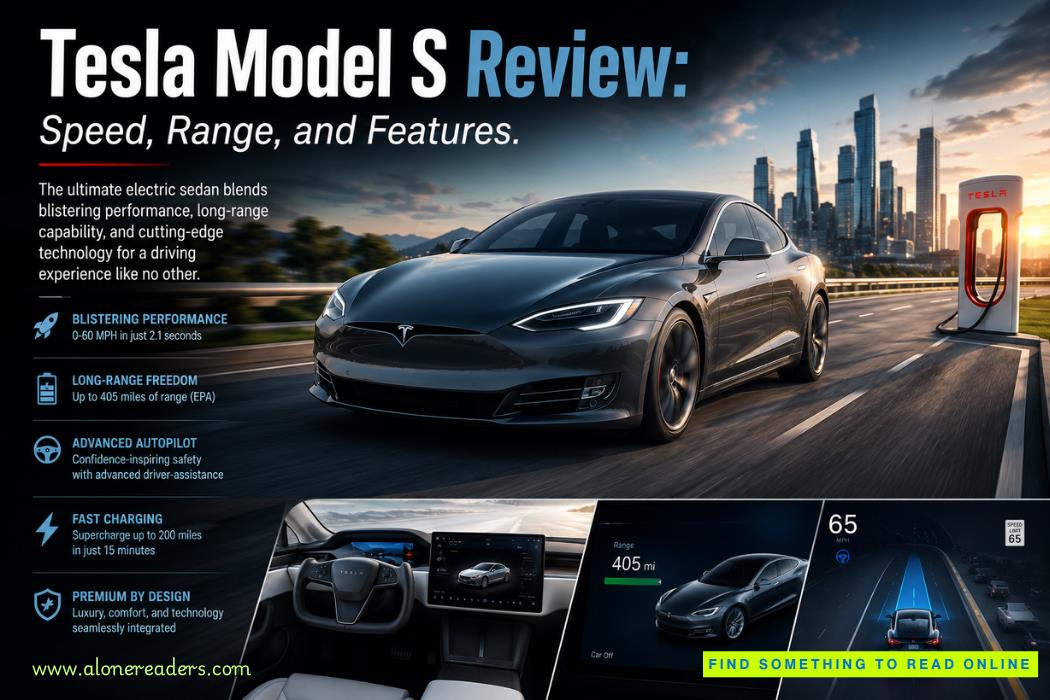 Tesla Model S Review: Speed, Range, and Features in 2026
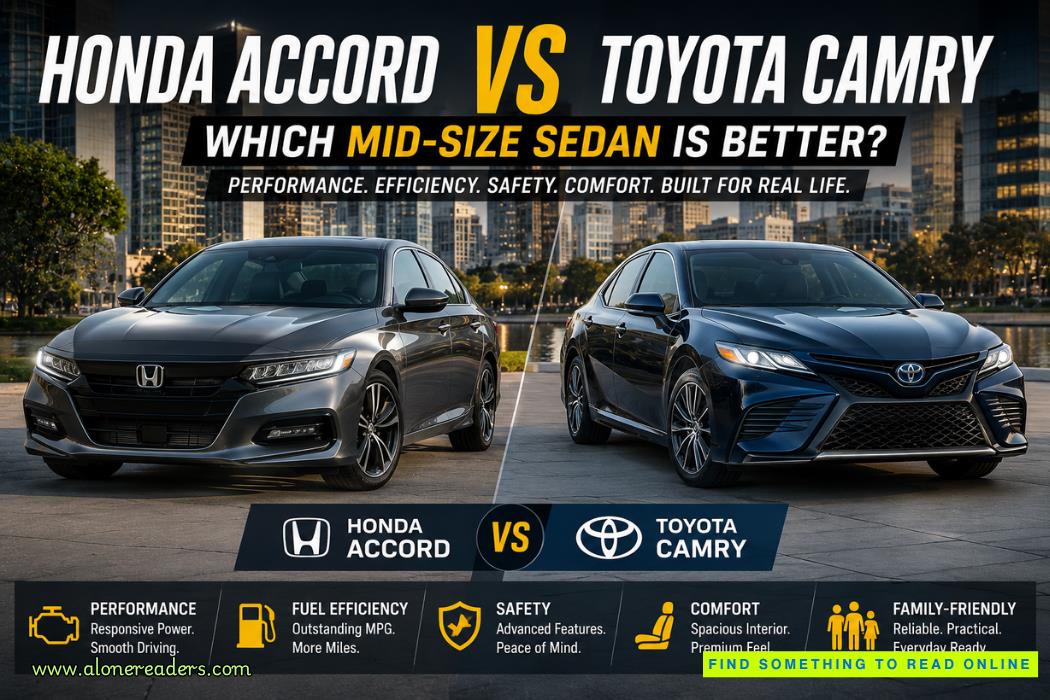 Honda Accord vs Toyota Camry: Which Mid-Size Sedan Is Better?
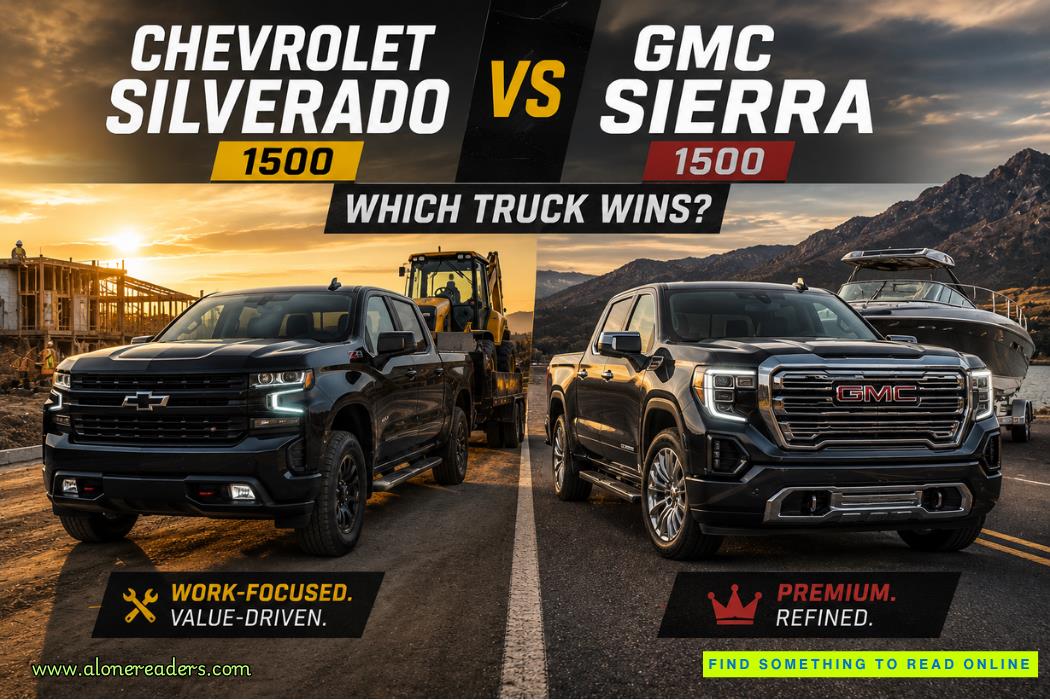 Chevrolet Silverado vs GMC Sierra: Which Truck Wins?
 2026 Jeep Wrangler Review: Off-Road Capabilities Tested in Extreme Terrain
 2026 Nissan Altima Review: Tech, Comfort, and Safety – In-Depth Expert Analysis