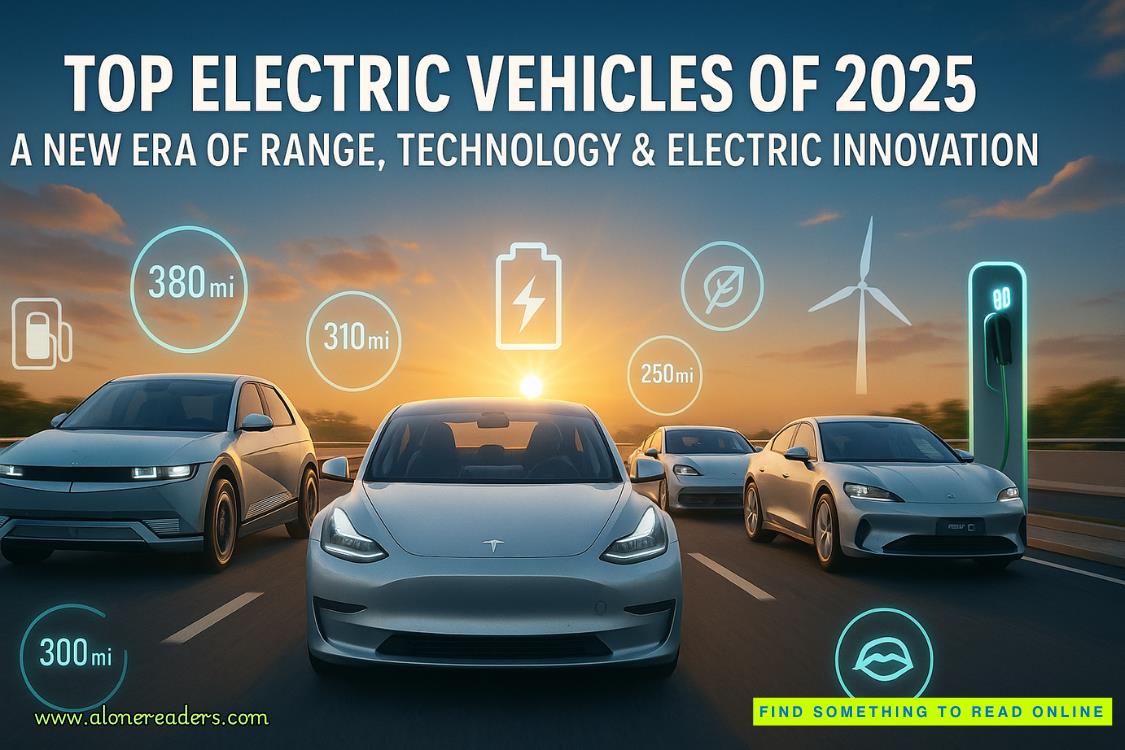
The electric vehicle market in 2025 marks a turning point in automotive history, blending range, technology, sustainability and value in a way never seen before. What once seemed futuristic is now the new automotive standard. Governments are pushing greener policies, battery costs are dropping, charging infrastructure is expanding and consumers are demanding smarter, cleaner and more efficient mobility. As a result, the EVs of 2025 represent not just cars—but technology platforms on wheels. The dominance of early pioneers like Tesla remains, but strong challenges have emerged from South Korea, Europe and China, making 2025 one of the most competitive years for EV buyers.
The Tesla Model Y and Model 3 continue to dominate sales charts, offering class-leading range, software superiority and access to the powerful Supercharger network. However, Hyundai, Kia, Polestar and BYD have significantly changed the competitive landscape with models that offer comparable performance and technology—sometimes at a better price. Meanwhile, Renault and MG are reshaping the affordable EV segment, ensuring electric mobility is not just for premium buyers. The variety of available models now caters to every type of driver: city commuters, families, adventurers and even performance enthusiasts.
Below is a professional breakdown of 2025’s most influential EVs, their strengths and the buyer categories they serve best.
The Model Y remains the best-selling EV in several global markets, thanks to its balance of range (around 330–350 miles), practicality and access to Tesla’s unrivaled Supercharger network. It offers a minimalist interior powered by Tesla’s industry-leading software with over-the-air updates that improve the car even after purchase. Families appreciate its spacious cabin, while fleet operators value its proven reliability and resale value. Despite rising competition, no other EV SUV has yet matched the global influence of the Model Y.
With 350–370 miles of estimated range, sharp driving dynamics and proven efficiency, the Model 3 remains the sportier sibling to the Model Y. Its popularity is driven by performance-to-price ratio and strong software integration. It is increasingly favored by both daily commuters and high-mileage rideshare drivers. The 2025 upgrade includes improved noise insulation and refined interior materials, making it stronger than ever within the sedan market.
The Hyundai Ioniq 5 has become one of the most admired EVs of 2025, combining up to 354 miles of range, ultra-fast 800V charging and a striking design inspired by 1980s hatchbacks but built with next-generation EV technology. The interior offers a lounge-like feel, ideal for road trips and family use. One of its biggest strengths is charging capability—10% to 80% charge in under 20 minutes, a major advantage over many competitors.
The EV9 brings electric mobility to the full-size SUV category, targeting families and adventure-oriented drivers. Offering a range of around 300–350 miles, and a 6 to 7-seat configuration, it is one of the most practical EVs of 2025. The bold exterior styling sets it apart immediately, while the interior focuses on space efficiency, flexible seating and premium materials. The EV9 is expected to become an everyday electric alternative to traditional petrol SUVs, particularly in Australia, North America and Europe.
The Chinese EV industry has rapidly gained momentum, and BYD is at its forefront. The BYD Seal, with around 300 miles of range, offers strong value, competitive pricing and growing international presence. As more markets open to Chinese EVs, the Seal is positioned to challenge established brands, especially in regions focused on budget EV adoption. BYD’s expertise in battery production makes it one of the few brands able to produce EVs profitably at scale.
The Volkswagen ID.4 remains one of the most balanced EVs on the road, offering 250–270 miles of range along with an everyday-friendly usability. It targets drivers who want a European feel, soft ride quality and comfortable handling. While not the sportiest EV, it offers a reliable middle-ground, appealing to buyers who prioritize practicality over performance. Volkswagen is also expanding its charging ecosystem across Europe, strengthening long-term ownership.
The Taycan represents the high-performance EV category, offering driving dynamics that push the boundaries of electric engineering. With 200–250 miles of range, it is built for precision rather than efficiency. Some variants rival supercars in acceleration, powered by exceptional suspension systems and track-ready tuning. The Taycan captures the attention of luxury-performance enthusiasts who still want sustainability without sacrificing excitement.
The Renault 5 EV introduces affordability and fun-to-drive character to urban electric mobility. With around 250 miles of range, compact dimensions and retro-inspired styling, it targets city dwellers and first-time EV buyers. Its strategic pricing aims to accelerate electric adoption in Europe and potentially beyond. The Renault 5 proves that EVs don’t need luxury—sometimes smart design and lower cost are the real innovations.
The Polestar 3 delivers 315 miles of range along with minimalist Scandinavian styling and a focus on dynamic performance. It appeals to luxury-minded buyers who want a premium EV experience without the complexity found in some competitors. The interior blends clean design with advanced technology, offering eco-friendly materials and high structural quality. Polestar positions itself as the Tesla alternative for design-focused buyers.
The MG4 has rapidly become one of the most practical budget EVs, offering 220–250 miles of range and competitive pricing. It appeals strongly to first-time EV buyers and urban professionals seeking reliable, low-maintenance transportation. MG, once British and now Chinese-owned, has successfully merged affordability with practicality, making the MG4 a gateway EV for many transitioning from petrol to electric.
The EV landscape of 2025 shows a perfect balance of innovation, sustainability and practicality. From everyday compact hatchbacks to performance sedans and family SUVs, electric mobility is no longer just an option—it is the global direction of travel. The next 5 years are expected to bring even more competition, better charging networks and perhaps, full-scale autonomous driving integrated into EV platforms. The race has begun—not just for the best EV—but for the future of automotive technology itself.



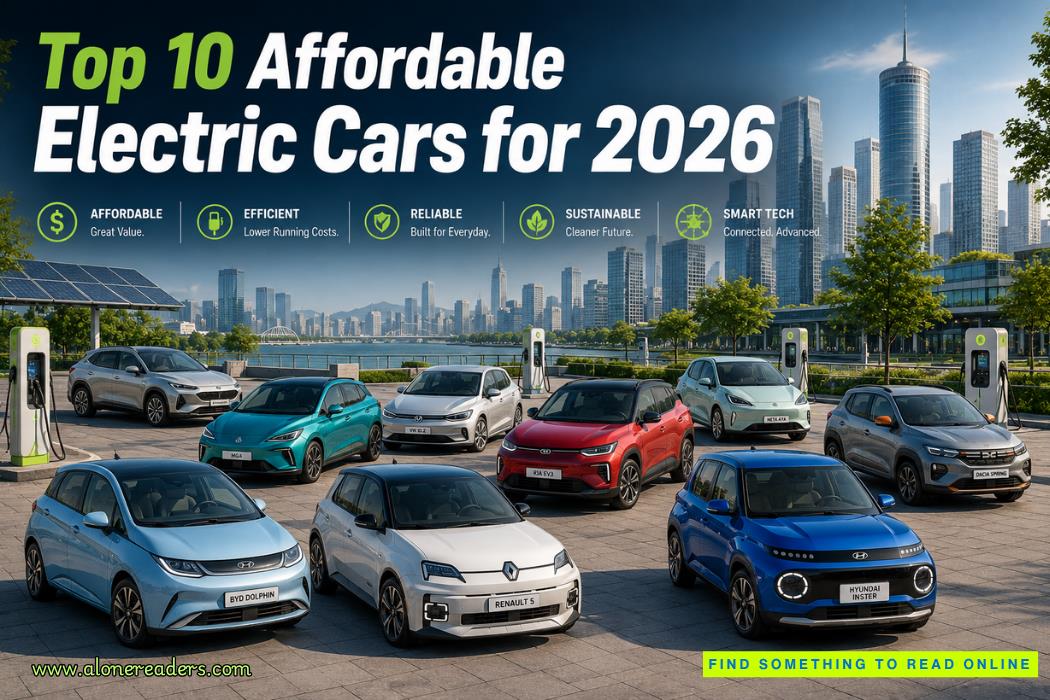 Top 10 Affordable Electric Cars for 2026: Best Budget EVs Worldwide
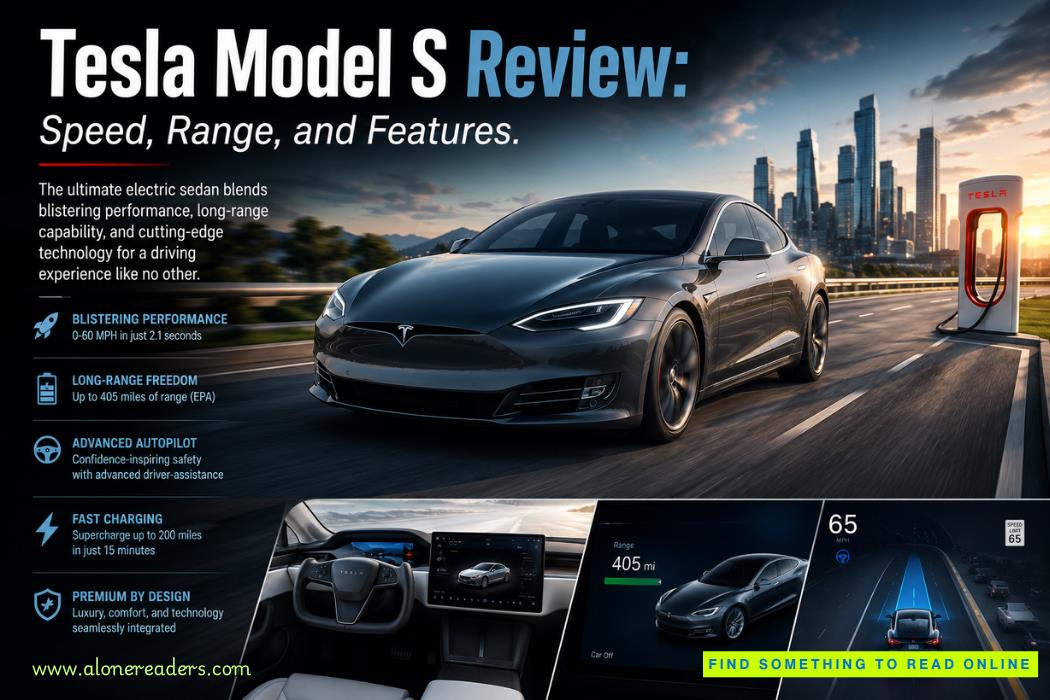 Tesla Model S Review: Speed, Range, and Features in 2026
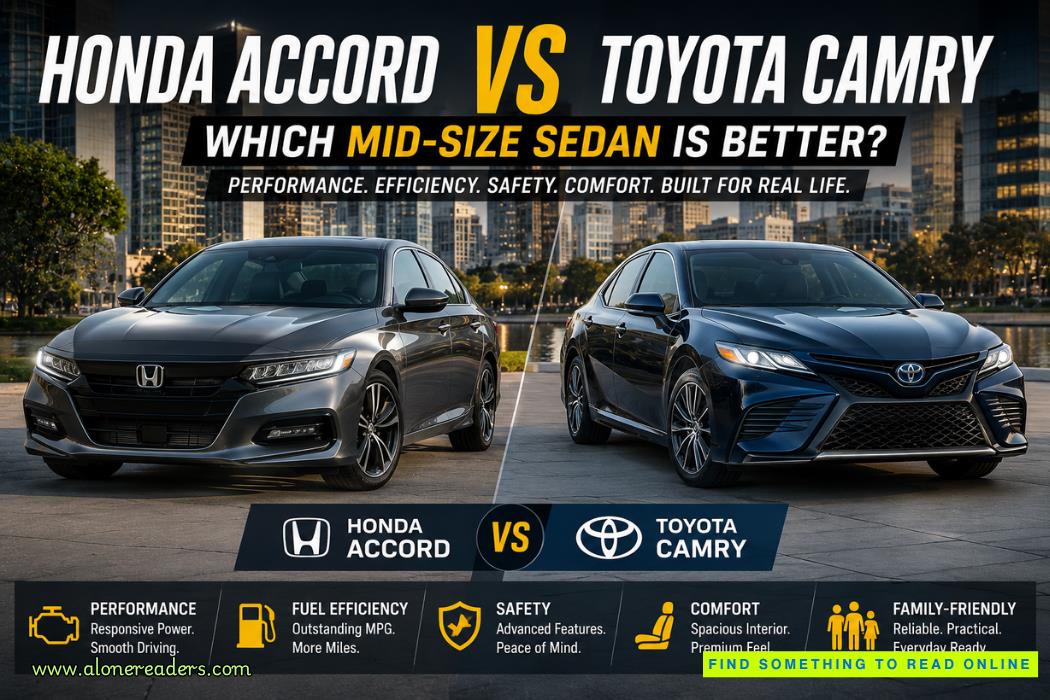 Honda Accord vs Toyota Camry: Which Mid-Size Sedan Is Better?
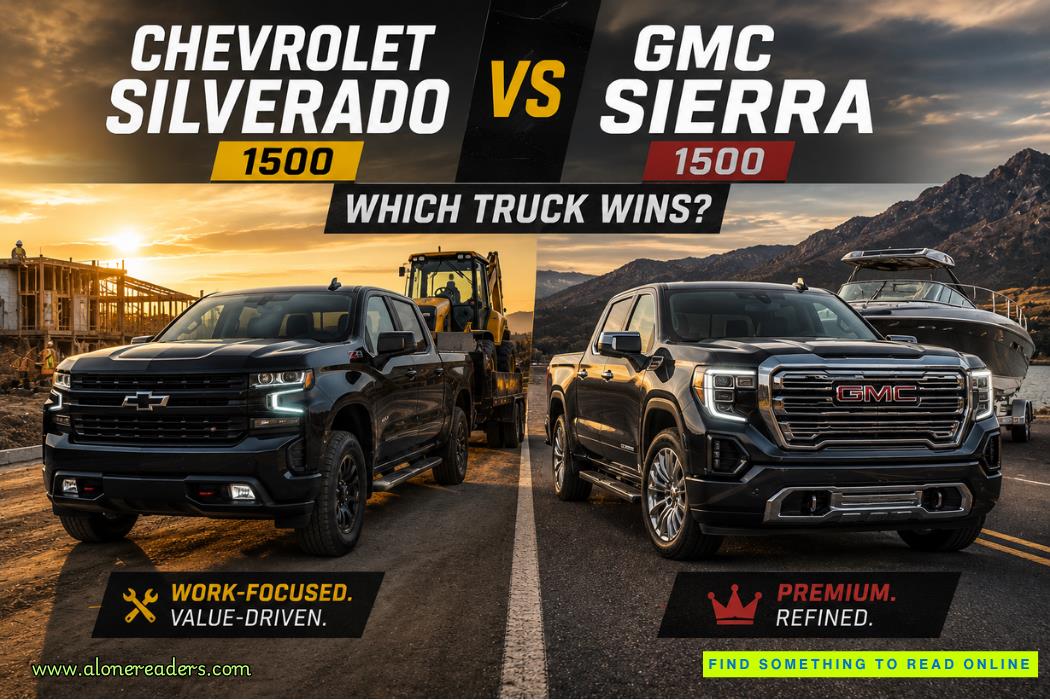 Chevrolet Silverado vs GMC Sierra: Which Truck Wins?
 2026 Jeep Wrangler Review: Off-Road Capabilities Tested in Extreme Terrain
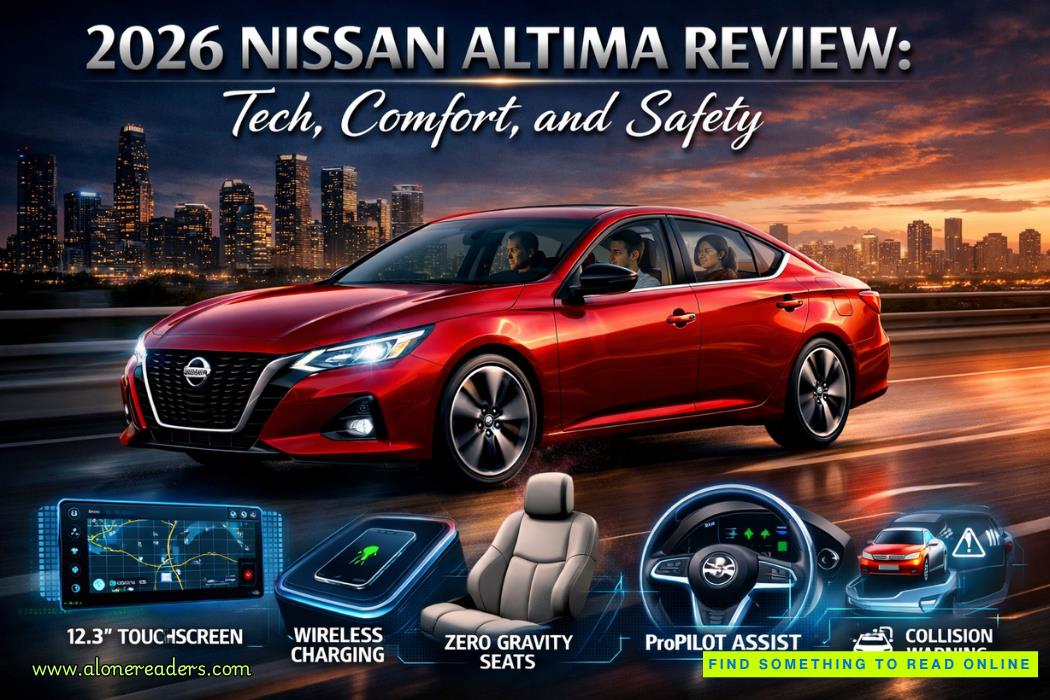 2026 Nissan Altima Review: Tech, Comfort, and Safety – In-Depth Expert Analysis