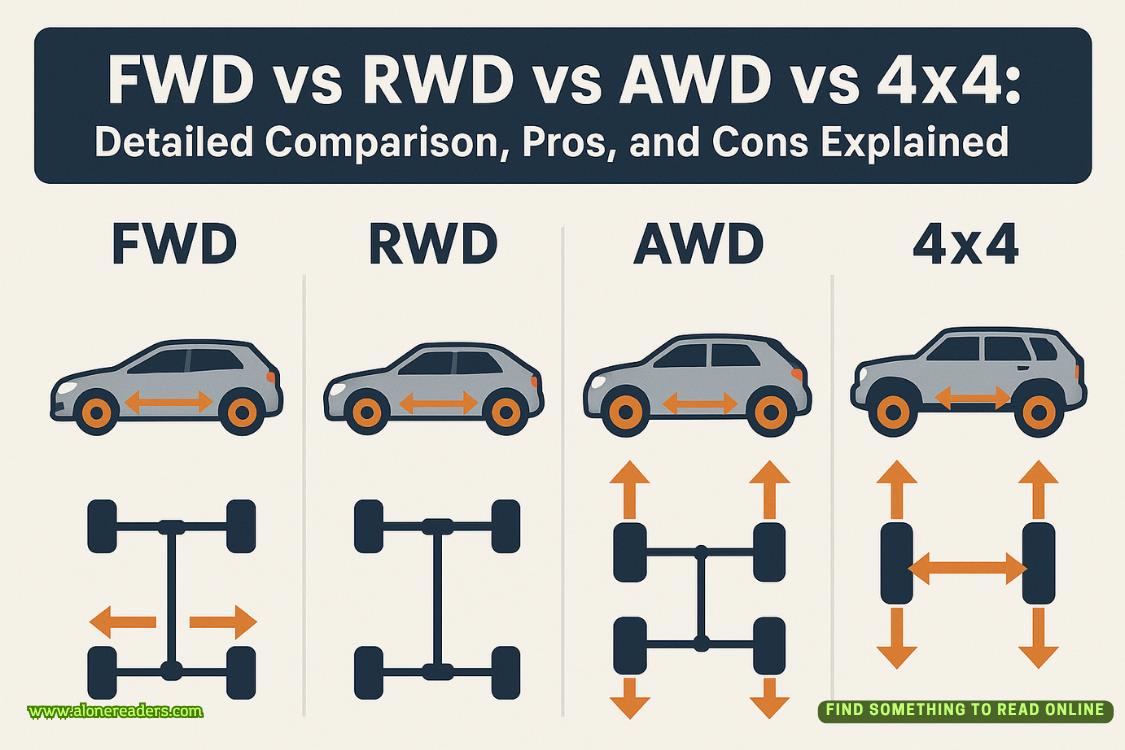
Choosing the right drivetrain is one of the most crucial decisions when buying or evaluating a vehicle. It affects handling, fuel economy, maintenance, and even safety. The four main types of drivetrain layouts—Front-Wheel Drive (FWD), Rear-Wheel Drive (RWD), All-Wheel Drive (AWD), and Four-Wheel Drive (4x4)—each deliver power differently from the engine to the wheels, resulting in distinct driving dynamics and performance characteristics. Understanding these differences goes far beyond simple traction—it influences how a car behaves in corners, how much weight it carries, and how it responds under different road conditions.
Definition:
Front-Wheel Drive means the engine’s power is transmitted to the front wheels only. The front wheels are responsible for both steering and propulsion.
Technical Overview:
In most FWD systems, the engine and transmission are mounted transversely (sideways), allowing a compact, lightweight layout. This design reduces drivetrain losses because power does not have to travel far from the engine to the wheels.
Advantages of FWD:
Disadvantages of FWD:
Ideal Use:
FWD cars are well-suited for city driving, mild climates, and budget-conscious buyers prioritizing efficiency and practicality.
Definition:
In a Rear-Wheel Drive system, the engine sends power to the rear wheels while the front wheels handle steering duties.
Technical Overview:
Power travels through a driveshaft to the rear differential, which distributes torque to the back wheels. This separation of steering and propulsion gives RWD vehicles a balanced and engaging driving feel.
Advantages of RWD:
Disadvantages of RWD:
Ideal Use:
RWD cars shine in performance and luxury segments where balance, driving feel, and power handling are prioritized—sports cars, sedans, and trucks benefit most.
Definition:
All-Wheel Drive systems automatically distribute power to all four wheels, either full-time or on demand, to optimize traction and handling.
Technical Overview:
AWD uses differentials and sensors to detect wheel slip and redirect torque between front and rear axles as needed. Modern AWD systems can be mechanical (like Subaru’s symmetrical AWD) or electronically controlled (as in Audi’s Quattro or BMW’s xDrive).
Advantages of AWD:
Disadvantages of AWD:
Ideal Use:
AWD suits drivers who encounter mixed road conditions—rain, snow, gravel—or who want both comfort and sporty handling. It’s perfect for crossovers, SUVs, and high-performance sedans.
Definition:
Four-Wheel Drive—commonly known as 4x4—is a system that allows the driver to manually engage all four wheels, usually via a transfer case.
Technical Overview:
Unlike AWD, 4x4 systems are typically designed for off-road and heavy-duty applications. Many have selectable modes (2H, 4H, 4L), allowing the driver to switch between two-wheel and four-wheel drive or even engage low-range gearing for extreme terrains.
Advantages of 4x4:
Disadvantages of 4x4:
Ideal Use:
4x4 systems are designed for off-road enthusiasts, construction workers, and anyone requiring serious traction—think SUVs, pickup trucks, and adventure vehicles.
| Drivetrain | Power Distribution | Traction | Efficiency | Maintenance | Ideal Terrain |
|---|---|---|---|---|---|
| FWD | Front wheels only | Moderate | High | Low | City and mild weather |
| RWD | Rear wheels only | Low on slippery roads | Medium | Moderate | Dry roads, performance driving |
| AWD | Variable (front and rear) | High | Medium-low | High | Mixed surfaces, mild off-road |
| 4x4 | Locked all four wheels | Very High | Low | High | Rough terrain, off-road |
Cornering:
RWD vehicles dominate in cornering balance because steering and power delivery are separated. AWD follows closely, using torque distribution to correct understeer or oversteer. FWD tends to understeer, while 4x4 systems are not optimized for sharp turns on asphalt.
Acceleration:
AWD and 4x4 systems offer superior acceleration from a standstill by minimizing wheel spin. RWD comes next with predictable rear traction under load, whereas FWD struggles with torque steer under hard acceleration.
Braking:
Drivetrain layout affects weight balance during braking. RWD and AWD systems typically achieve better stability under heavy braking compared to FWD. 4x4 braking on off-road terrain is strong but can be tricky on hard surfaces if the system remains engaged.
Driving Feel:
RWD offers the most engaging and balanced experience for enthusiasts. AWD adds safety and grip without compromising much excitement. FWD feels predictable and efficient, while 4x4 feels purposeful—built for control in rugged situations.
Each drivetrain—FWD, RWD, AWD, and 4x4—reflects a specific engineering philosophy. There is no universal “best” choice; it depends entirely on where and how you drive. FWD wins in cost and efficiency, RWD excels in control and performance, AWD balances traction with comfort, and 4x4 dominates off-road challenges. Understanding the underlying mechanics and limitations helps you choose the system that complements your driving style, ensuring that every mile behind the wheel feels purposeful, efficient, and safe.



 Top 10 Affordable Electric Cars for 2026: Best Budget EVs Worldwide
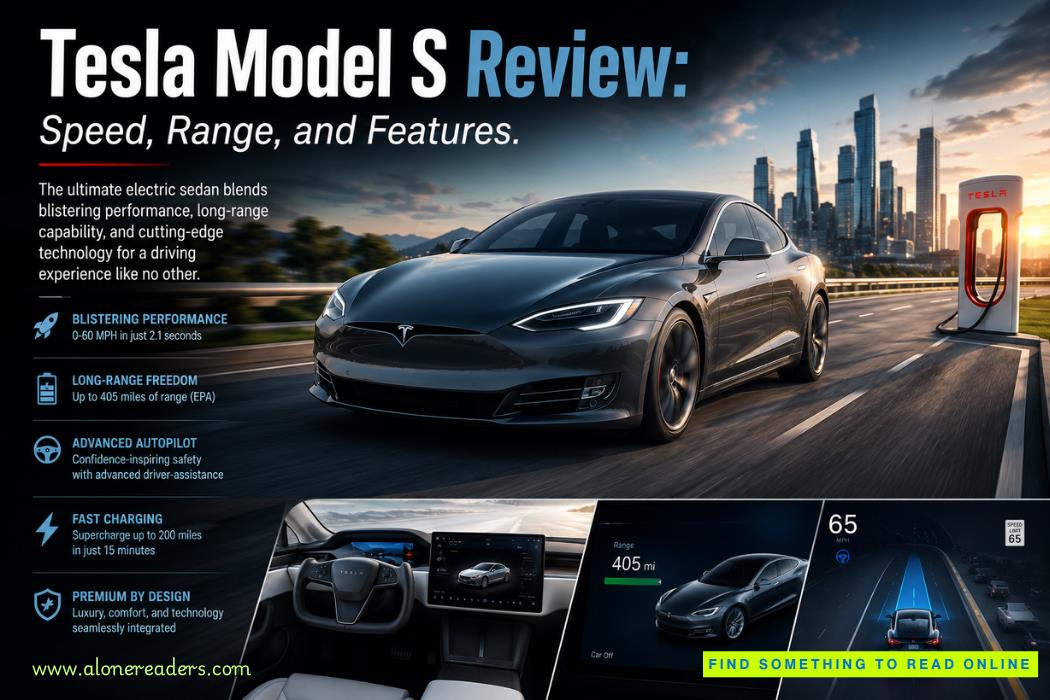 Tesla Model S Review: Speed, Range, and Features in 2026
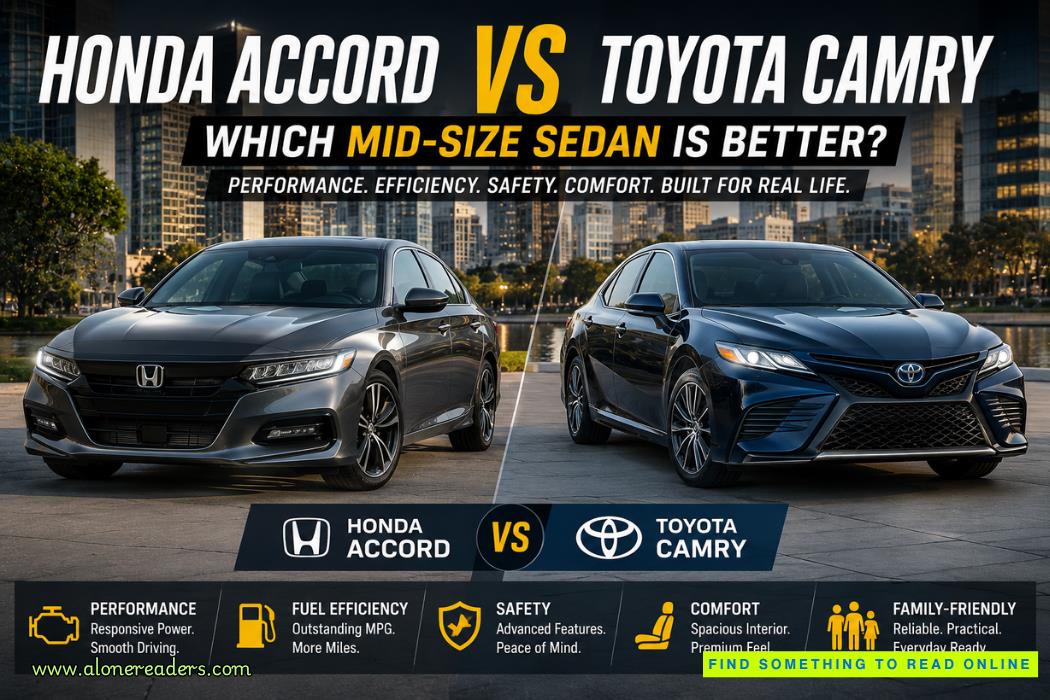 Honda Accord vs Toyota Camry: Which Mid-Size Sedan Is Better?
 Chevrolet Silverado vs GMC Sierra: Which Truck Wins?
 2026 Jeep Wrangler Review: Off-Road Capabilities Tested in Extreme Terrain
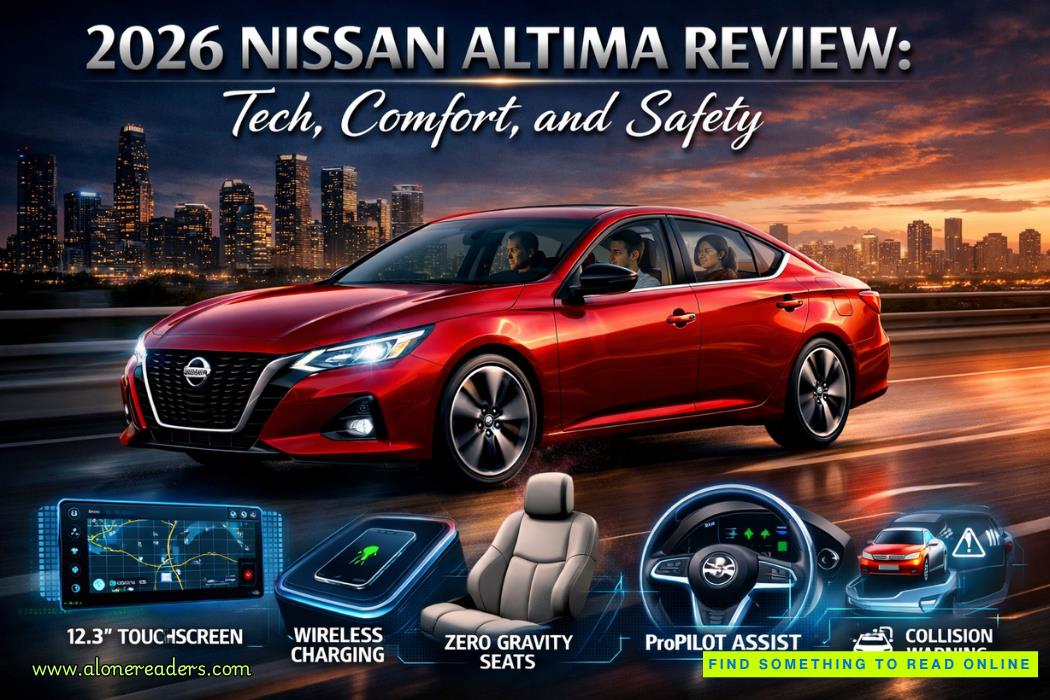 2026 Nissan Altima Review: Tech, Comfort, and Safety – In-Depth Expert Analysis










