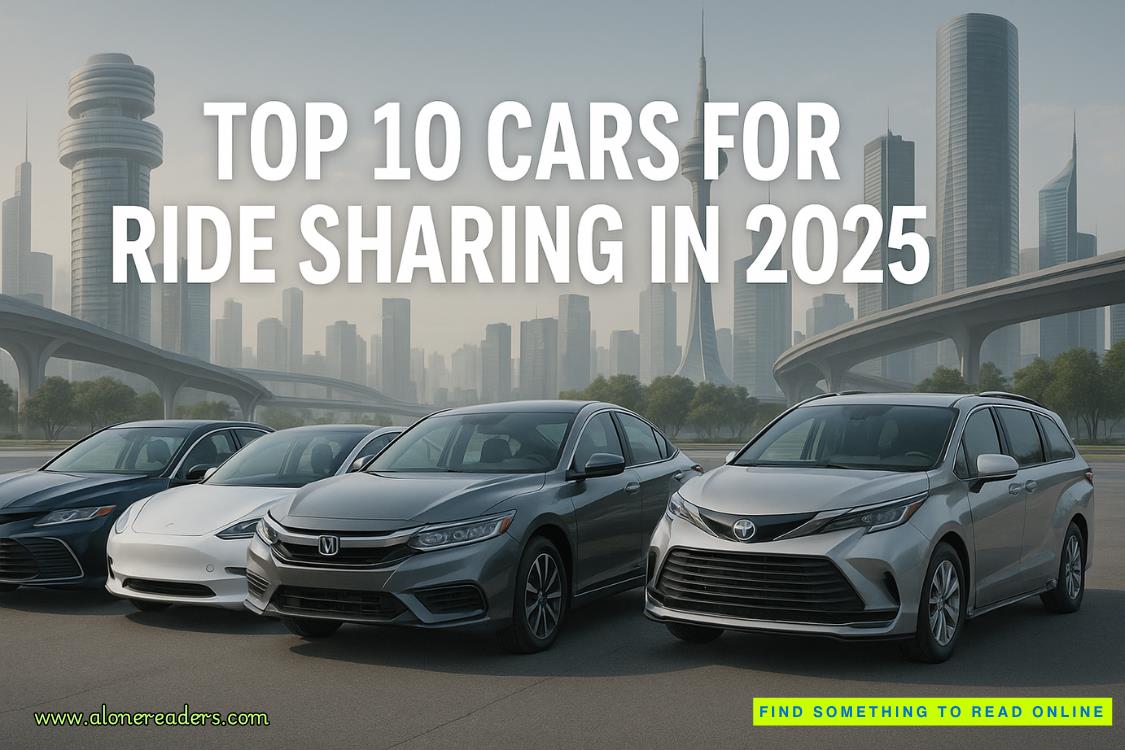
The ride-sharing industry in 2025 is evolving faster than ever, driven by rising fuel costs, stricter emission standards, user expectations for comfort, and platforms like Uber, Lyft and Didi prioritizing high passenger ratings. As a result, hybrid and electric cars now dominate ride-sharing choices, offering low running costs and extended reliability. From fuel-saving sedans to group-ready SUVs and luxury-tier vehicles, the top 10 cars for ride-sharing in 2025 are selected with one clear focus: maximize earnings while enhancing passenger experience. A professional ride-sharing driver no longer looks only at purchase price—long-term maintenance, durability, safety tech, resale value and comfort ratings now matter more than ever.
Below is a deep dive into each of the top-performing models, highlighting why they work, who they are ideal for, and how they can boost profitability for ride-share drivers in 2025.
The Toyota Camry Hybrid continues its reign as the ultimate ride-sharing sedan. Known for exceptional fuel efficiency, low failure rates, and surprisingly spacious seating, it offers both driver and passenger comfort. The hybrid system is refined, smooth, and built for daily-city stop-and-go traffic. Many full-time Uber and Lyft drivers have recorded 300,000+ km on a single Camry with minimal mechanical failures, proving its unmatched reliability. The cabin feels more premium than its segment, making it suitable not only for standard rides but even Uber Comfort or Premium tiers depending on the region.
The Prius remains iconic for one reason: it saves fuel better than almost any mass-produced car in history. In cities where profit margins are tight, the Prius becomes a financial weapon. Its hatchback design provides extra cargo space, ideal for airport runs and travelers with baggage. Passengers rate it high for smoothness and predictable driving feel. While not flashy or luxurious, the Prius consistently delivers low operating costs, making it a favorite of part-time and full-time drivers alike.
Honda’s Accord Hybrid is often seen as the “smart upgrade” from the Camry. It offers better cabin insulation, more refined handling, and advanced safety systems like adaptive cruise control and lane-keeping assist. This makes long driving hours significantly less tiring. The rear seating space is notably large, boosting passenger satisfaction in executive or longer city rides. Its fuel consumption is very close to the Camry Hybrid, but its upscale interior makes it a stronger choice for drivers aiming for 5-star ride ratings.
Often overlooked, the Hyundai Sonata Hybrid is one of the most cost-efficient sedans on highways, frequently achieving over 50 mpg (21+ km/l) in real-world conditions. Its maintenance cost remains lower than Toyota and Honda in many countries. The cabin layout is practical and intuitive, helping drivers stay focused during long shifts. Hyundai has also expanded availability of low-cost service packages in major cities, giving this car a strong financial advantage for fleet owners.
The Honda CR-V Hybrid is widely praised for one thing: its ride feels like a sedan but offers the space of a true SUV. This makes it ideal for airport pickups, weekend groups, or passengers with long luggage. The hybrid engine smoothens urban traffic transitions, and the rear seat angle is specially designed for comfort during 30–60-minute rides. It also qualifies for Uber XL or Lyft XL in certain regions, expanding earning potential beyond standard rides.
Among ride-sharing SUVs, the RAV4 Hybrid remains one of the safest investments. It offers excellent resale value, high mileage, and a cabin that works equally well for families, business travelers, and shared rides. Drivers appreciate its confident driving position, while mechanics appreciate its reliability. The RAV4 Hybrid also pairs well with regional ride-sharing requirements that demand high safety ratings or crash-test certifications. Versatile, practical, and dependable—it is one of 2025’s strongest long-term choices.
The Kia Niro Hybrid offers superb ingress and egress—passengers find it very easy to get in and out because of its upright seat height. This is ideal for older passengers, hospital drop-offs or daily commuters. Its crossover body makes it more spacious than sedans but still highly fuel-efficient. The cabin is ergonomically optimized for ride-sharing usage—clean dashboard, good visibility, easy maneuvering in traffic and tight streets. It is specially recommended for high-density urban markets.
Professional ride-share drivers aiming for high daily earnings in group or airport rides often turn to the Toyota Sienna Hybrid. Big enough for families, groups and luggage, yet surprisingly efficient for its size, it dominates the UberXL and Lyft XL categories. Many full-time drivers consider Sienna Hybrid a business asset rather than just a vehicle—it opens premium tiers, improves per-hour revenue, and enables more flexible job selection during peak hours. Despite being a minivan, it drives smoothly thanks to Toyota’s refined hybrid system.
The Lexus ES Hybrid is designed for Uber Black, Uber Lux, Lyft Lux or other premium ride-sharing tiers. It offers executive-class ride comfort—noise insulation, soft suspension, wide rear seating and refined cabin ambiance. For regions that have corporate rider programs, this vehicle can generate higher earnings per trip. The safety systems and adaptive ride features reduce driver fatigue, making it well-suited for long business shuttle services. It is the best choice for ride-sharing professionals aiming to enter the luxury segment without paying for full EV luxury sedans.
The Model 3 stands apart due to its incredibly low running cost, zero emissions, and strong appeal to tech-savvy passengers. Where charging networks are readily available, the Tesla Model 3 can outperform many hybrids in lifetime profitability. Features like autopilot, one-pedal driving, live navigation updates and instant torque make city driving easier. However, it is best recommended only in regions with well-distributed charging infrastructure. Otherwise, wait times and operational gaps may reduce earning potential.
Ride-sharing in 2025 is no longer just about driving—it is about strategy, income optimization and client satisfaction. The right vehicle is a financial tool, not just transportation. Selecting among the top 10 vehicles above can significantly impact profitability, driver wellness, long-term sustainability and customer ratings. As environmental regulations tighten and urban traffic evolves, ride-sharing will increasingly reward drivers who make data-driven vehicle decisions.
The winners in 2025 will be those who treat ride-sharing not just as a job—but as a transportation business built on efficiency, long-term returns and passenger experience.



 Top 10 Affordable Electric Cars for 2026: Best Budget EVs Worldwide
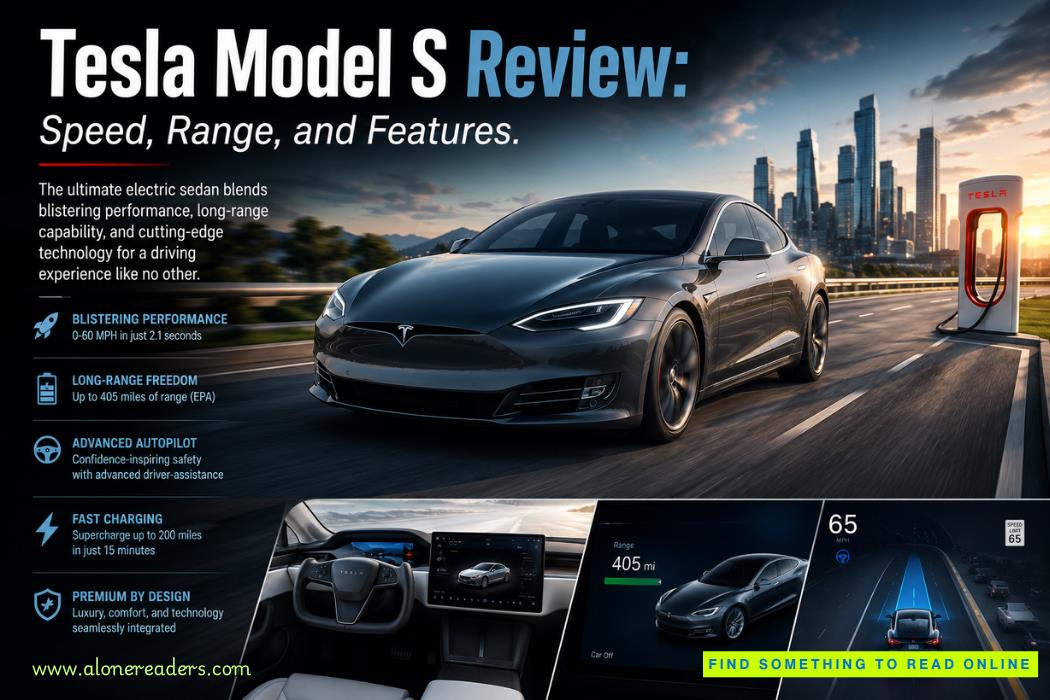 Tesla Model S Review: Speed, Range, and Features in 2026
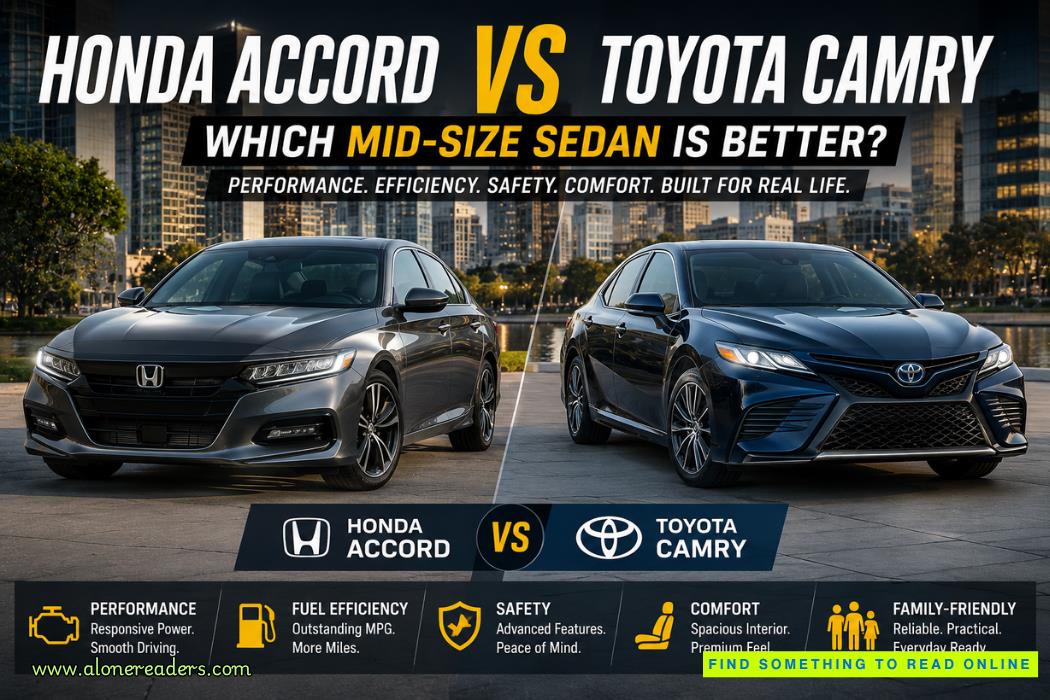 Honda Accord vs Toyota Camry: Which Mid-Size Sedan Is Better?
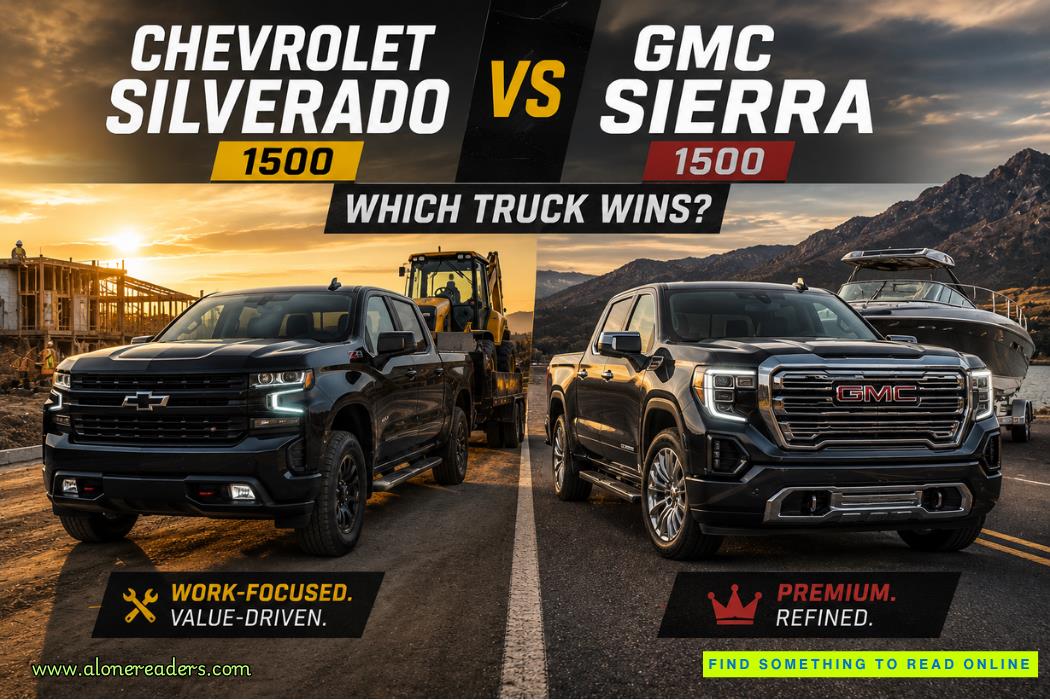 Chevrolet Silverado vs GMC Sierra: Which Truck Wins?
 2026 Jeep Wrangler Review: Off-Road Capabilities Tested in Extreme Terrain
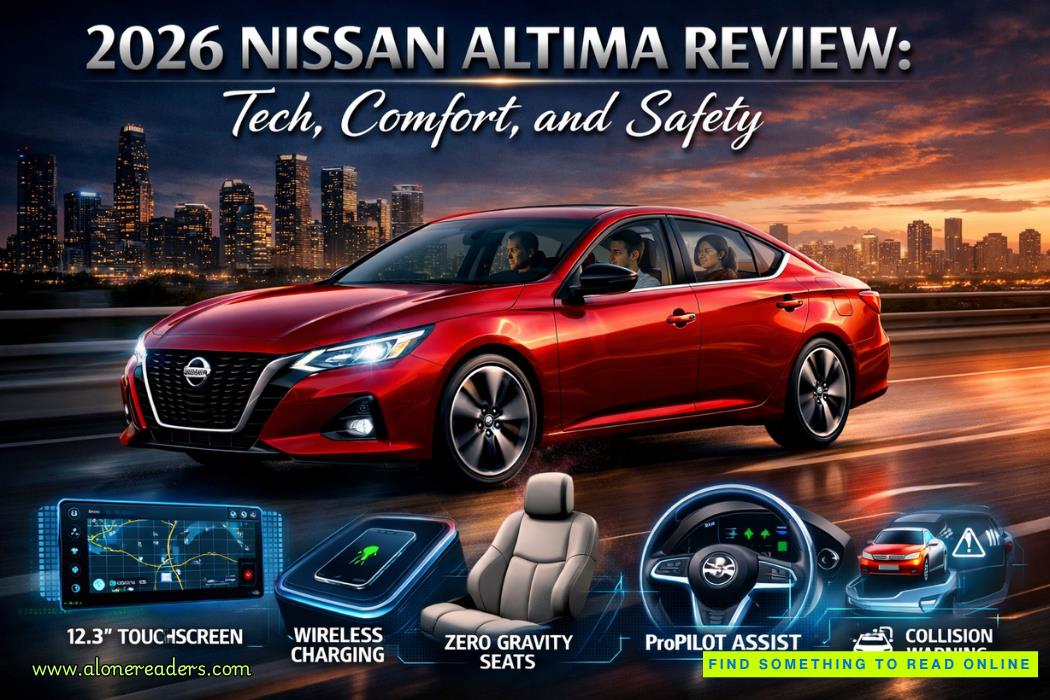 2026 Nissan Altima Review: Tech, Comfort, and Safety – In-Depth Expert Analysis