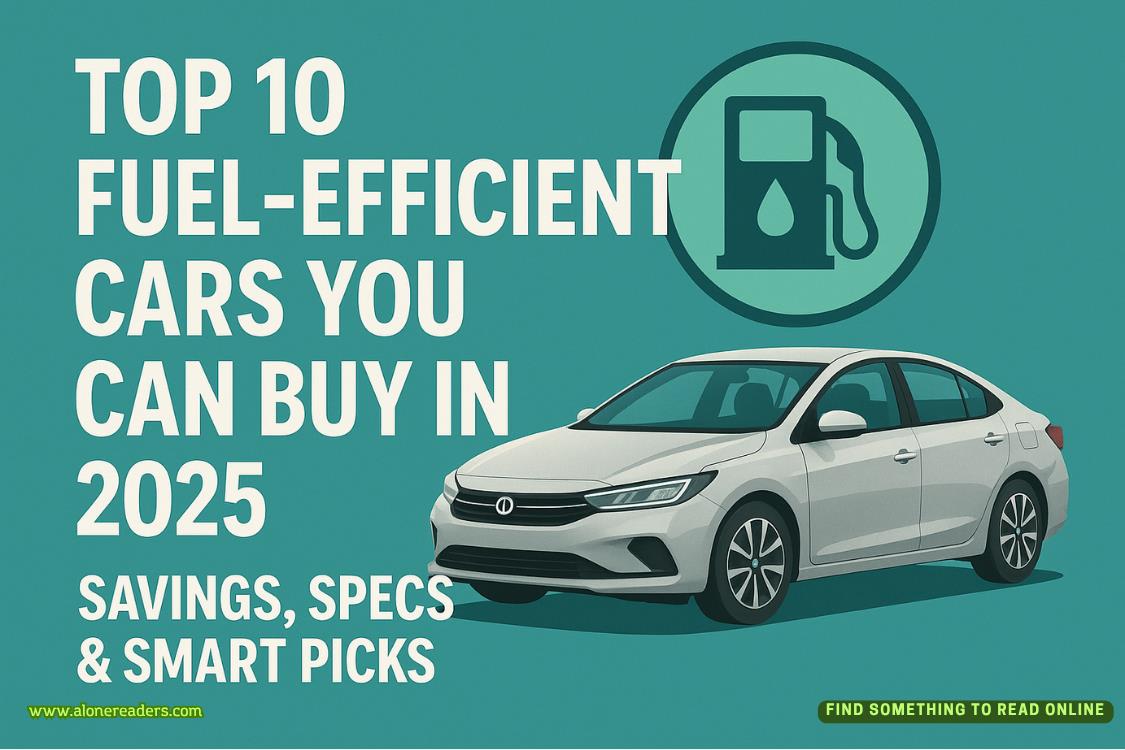
Fuel efficiency has evolved from a convenience into a necessity. With rising fuel prices and stricter emission standards, automakers in 2025 are prioritizing energy-efficient design, hybrid technology, and aerodynamic performance. The year 2025 marks a significant step forward — hybrids are now mainstream, plug-in hybrids are more practical, and even traditional gasoline engines are achieving surprising mileage through engineering advancements.
This article explores the top 10 fuel-efficient cars in 2025, analyzing their real-world mileage, technology, and overall driving experience. Rather than offering vague generalities, we’ll look closely at each model’s design philosophy, performance balance, and practicality.
Fuel efficiency is more than a number on paper. In 2025, an efficient car is one that combines high mileage, optimized powertrains, intelligent energy management, and low maintenance cost.
To qualify as truly efficient, a modern car should:
With these standards in mind, the following ten cars lead the market in fuel economy and practical value.
The Prius continues to dominate efficiency charts. The 2025 model achieves up to 57 mpg combined in front-wheel-drive configuration. Toyota has refined the hybrid system with a 2.0-liter engine paired with an electric motor, delivering smooth transitions and responsive torque.
Its sleek design cuts aerodynamic drag significantly, and the interior layout is more driver-focused than previous generations. While cargo space is modest compared to larger sedans, its fuel savings remain unmatched. The Prius is ideal for drivers who prioritize maximum economy without sacrificing everyday usability.
Hyundai’s 2025 Elantra Hybrid combines efficiency and comfort exceptionally well. It achieves around 54 mpg combined, supported by a 1.6-liter engine mated to an electric motor and a dual-clutch transmission.
Hyundai engineers focused on weight optimization and improved powertrain cooling for consistent efficiency. The cabin offers impressive technology for the price, including digital displays and adaptive cruise systems. It’s one of the best hybrid sedans for value-conscious buyers seeking both mileage and refinement.
For drivers preferring a crossover body style, the Kia Niro FE stands out with 53 mpg combined — an impressive figure for an SUV-like vehicle. It’s powered by a 1.6-liter hybrid system with regenerative braking and lightweight components.
The Niro’s hybrid system automatically adjusts power between the gas engine and electric motor, making it efficient in urban and highway driving alike. It’s the perfect blend of practicality and thrift, giving families the flexibility of a crossover without the usual fuel penalty.
The Toyota Camry Hybrid has been a leader among midsize sedans for years. The 2025 model refines its hybrid drive, producing roughly 51 mpg combined. Its hybrid system balances performance and efficiency through a continuously variable transmission and a responsive 2.5-liter engine.
Inside, the Camry Hybrid delivers quiet, premium comfort, while still offering the reliability that Toyota is known for. For families or professionals seeking both space and savings, this car remains one of the most practical midsize hybrids available.
Mazda introduces the CX-50 Hybrid in 2025, marking its first true hybrid SUV with all-wheel drive. It returns approximately 38 mpg combined, impressive for an AWD crossover.
Mazda’s partnership with Toyota for hybrid technology brings proven reliability. The CX-50 Hybrid focuses on dynamic driving, with a well-balanced suspension and strong low-end torque. It’s designed for drivers who need utility and traction but still want fuel efficiency above the SUV average.
The Corolla Hybrid continues Toyota’s efficient legacy, achieving around 50 mpg combined. The 2025 update refines battery cooling and regenerative systems for improved real-world mileage.
Its compact footprint and proven powertrain make it ideal for city commuting. Despite being smaller than the Camry, the Corolla Hybrid delivers surprising comfort and stability at highway speeds. It’s a low-maintenance, affordable hybrid that suits a broad range of drivers.
Honda reintroduced the Civic Hybrid with the 2025 lineup, offering a sophisticated blend of performance and economy. The hybrid system uses a 2.0-liter Atkinson-cycle engine with dual electric motors to deliver about 48 mpg combined.
Honda’s tuning makes the transition between electric and gasoline power nearly imperceptible, offering a refined and quiet ride. The Civic Hybrid combines youthful design, solid performance, and efficiency in one cohesive package.
The Tucson Hybrid Blue stands out among compact SUVs with 38 mpg combined, leading its segment in fuel efficiency. The powertrain pairs a 1.6-liter turbo engine with an electric motor for quick acceleration and excellent torque response.
It offers ample space, advanced driver-assistance systems, and a comfortable cabin. Although it cannot match sedan-level mileage, it delivers class-leading economy for a hybrid SUV — making it a strong choice for families seeking savings and practicality.
The 2025 Lexus UX 300h brings hybrid technology to the luxury compact crossover market. It averages around 48 mpg combined, combining Toyota’s proven hybrid system with Lexus’ refined comfort.
High-quality materials, a minimalist digital cockpit, and superb handling make it a pleasure to drive. While more expensive than mainstream models, it offers luxury buyers a responsible yet stylish option that reduces long-term fuel costs without compromising elegance.
Also known as the Prius Prime, this plug-in hybrid variant pushes efficiency to new levels. With a combined 127 MPGe when using electric power and roughly 49 mpg on gasoline alone, it provides incredible versatility.
Drivers can cover short daily trips entirely on electric power, while the hybrid engine ensures extended range when needed. It’s the perfect bridge between electric mobility and long-distance practicality, offering unbeatable efficiency when charged regularly.
1. Match Efficiency to Driving Habits
If your commute involves short distances or city traffic, a hybrid or plug-in hybrid will save the most fuel. For long highway drives, efficient gasoline sedans might offer simpler ownership without frequent charging.
2. Consider Space and Purpose
Smaller sedans like the Corolla or Prius deliver maximum mpg, but families may prefer hybrids such as the Camry, Tucson, or Niro for added space. SUVs now compete closely in efficiency due to aerodynamic designs and hybrid technology.
3. Evaluate the True Cost of Ownership
Fuel savings should be weighed against the higher upfront cost of hybrid systems. However, hybrids often have lower maintenance expenses and stronger resale value, offsetting the price difference within a few years.
4. Think About Long-Term Sustainability
Choosing a highly efficient car reduces both emissions and your carbon footprint. With regulations tightening worldwide, owning a fuel-efficient hybrid also future-proofs your investment as fuel prices and taxes fluctuate.
5. Assess Local Conditions
In Australia and other markets outside North America, fuel types and vehicle trims differ. Always check local efficiency ratings (measured in liters per 100 kilometers) to ensure your model delivers the expected savings.
The 2025 lineup of fuel-efficient vehicles demonstrates how far automotive technology has progressed. From compact sedans to stylish crossovers, every major automaker now offers hybrid or plug-in variants delivering 40 to 60 mpg and beyond.
If you want maximum savings and minimal emissions, the Toyota Prius remains the industry standard. For a blend of comfort and efficiency, the Camry Hybrid and Hyundai Elantra Hybrid offer exceptional value. Families preferring utility can turn to the Kia Niro, Mazda CX-50 Hybrid, or Hyundai Tucson Hybrid Blue, while luxury enthusiasts can choose the Lexus UX 300h for premium hybrid driving.
Every model on this list represents a unique balance of performance, comfort, and fuel efficiency. The right choice depends on your lifestyle, commute, and priorities — but with the options available in 2025, you can drive smarter, spend less, and contribute to a cleaner automotive future.



 Top 10 Affordable Electric Cars for 2026: Best Budget EVs Worldwide
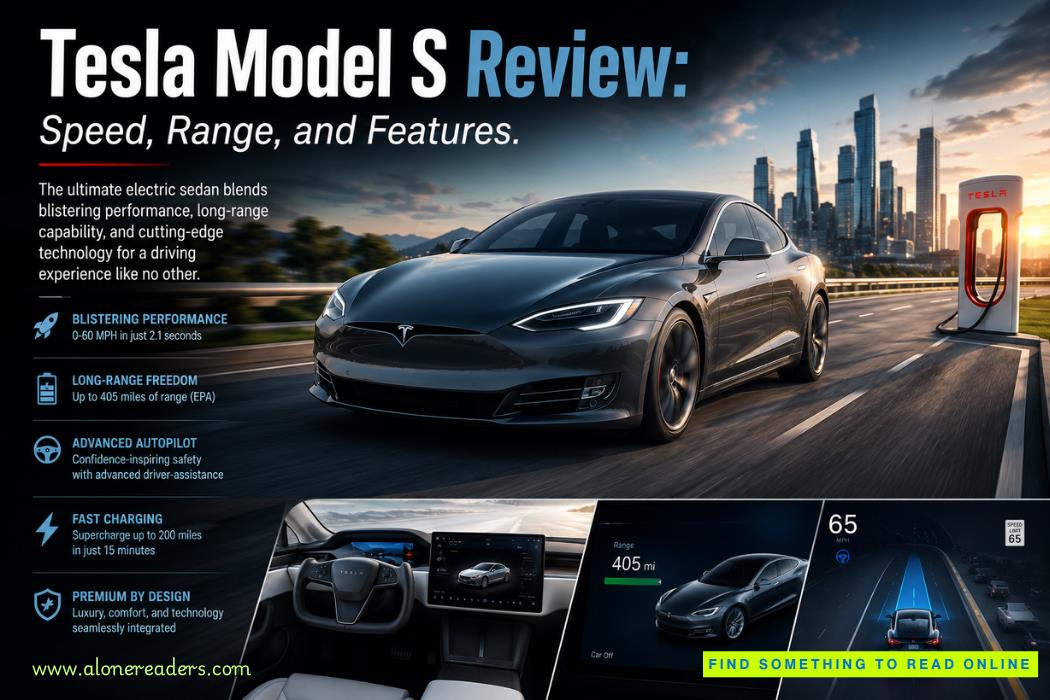 Tesla Model S Review: Speed, Range, and Features in 2026
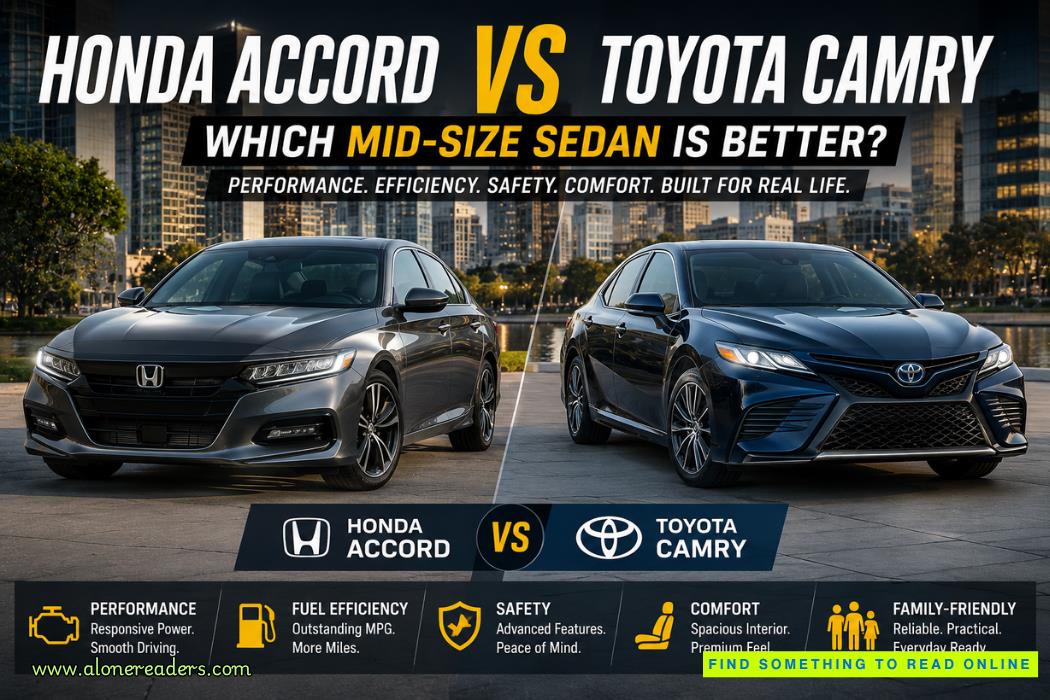 Honda Accord vs Toyota Camry: Which Mid-Size Sedan Is Better?
 Chevrolet Silverado vs GMC Sierra: Which Truck Wins?
 2026 Jeep Wrangler Review: Off-Road Capabilities Tested in Extreme Terrain
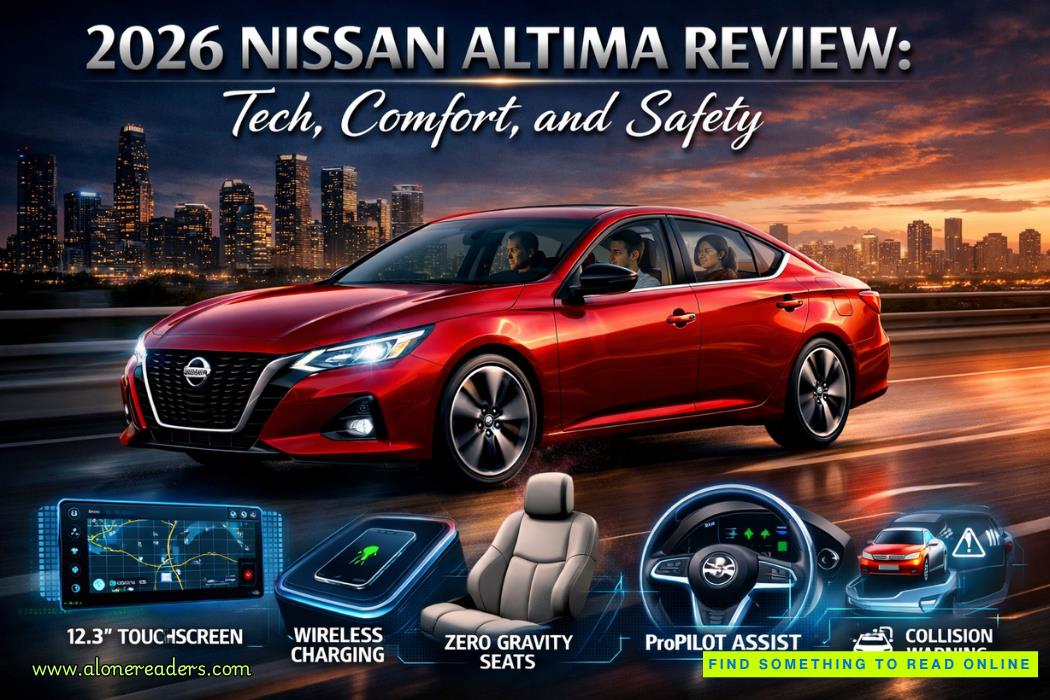 2026 Nissan Altima Review: Tech, Comfort, and Safety – In-Depth Expert Analysis










