
Electric vehicles have matured rapidly over the last few years, giving buyers an unprecedented number of choices. Two of the most interesting electric SUVs come from very different philosophies. The Ford Mustang Mach-E aims to combine sports car-inspired performance with family practicality, while the Hyundai Kona Electric focuses on efficiency, affordability, and everyday usability.
Although both vehicles belong to the electric SUV category, they target different types of buyers. One emphasizes excitement and premium features, while the other prioritizes practicality and excellent operating costs.
If you are deciding between these two models, this detailed comparison examines every important aspect including design, performance, battery technology, charging, driving dynamics, interior quality, technology, safety, ownership costs, and overall value.
Ford Mustang Mach-E
The Mustang Mach-E is one of the most distinctive electric SUVs on the road. Although it carries the famous Mustang name, it is a practical crossover rather than a traditional sports coupe.
Its exterior features include:
The Mach-E looks expensive and premium. It attracts attention even among luxury electric SUVs.
Hyundai Kona Electric
The Kona Electric adopts a much more conservative design philosophy. It is compact, clean, and modern without appearing overly futuristic.
Design highlights include:
The Kona Electric may not turn as many heads as the Mach-E, but its compact size makes city driving significantly easier.
Winner: Ford Mustang Mach-E
Ford Mustang Mach-E
Inside, the Mach-E feels like a premium electric SUV.
Highlights include:
The minimalist dashboard gives the cabin a futuristic appearance while remaining functional.
Hyundai Kona Electric
The Kona Electric received a major redesign, significantly improving interior quality.
Features include:
Although attractive, it does not quite reach the premium feel offered by the Mach-E.
Winner: Ford Mustang Mach-E
Ford Mustang Mach-E
The larger dimensions of the Mach-E provide substantial interior room.
Advantages include:
Families will appreciate the spacious cabin during long-distance travel.
Hyundai Kona Electric
The Kona Electric is noticeably smaller.
Benefits include:
While comfortable for four adults, rear passenger space is less generous than the Mach-E.
Winner: Ford Mustang Mach-E
Ford Mustang Mach-E
Depending on the trim level, the Mach-E offers multiple power outputs.
Available configurations include:
The high-performance GT version produces exhilarating acceleration, with some variants reaching 0–60 mph in around four seconds.
Acceleration remains smooth, immediate, and confidence inspiring.
Hyundai Kona Electric
The Kona Electric focuses more on efficiency than outright speed.
The electric motor delivers:
Although considerably slower than the Mach-E GT, it still feels surprisingly quick during everyday driving.
For urban commuting, the Kona rarely feels underpowered.
Winner: Ford Mustang Mach-E
Ford Mustang Mach-E
Ford engineers worked hard to preserve some Mustang character.
Driving characteristics include:
The Mach-E is enjoyable on winding roads while remaining comfortable for daily use.
Hyundai Kona Electric
The Kona Electric prioritizes comfort.
It offers:
The smaller footprint makes it extremely easy to drive in crowded cities.
Winner:
Ford Mustang Mach-E
Battery options vary depending on trim.
Approximate maximum ranges include:
Higher-performance versions sacrifice some efficiency for speed.
Hyundai Kona Electric
Despite being much smaller, the Kona Electric delivers impressive efficiency.
Typical driving range reaches approximately:
Its excellent efficiency often allows owners to travel farther using a smaller battery.
Winner: Hyundai Kona Electric
Ford Mustang Mach-E
Charging capabilities include:
Fast charging allows significant battery recovery during short charging stops.
Hyundai Kona Electric
Charging options include:
Charging speeds are respectable, although generally below the fastest Mach-E variants.
Winner: Ford Mustang Mach-E
Ford Mustang Mach-E
Technology features include:
The infotainment system feels modern and highly responsive.
Hyundai Kona Electric
Technology includes:
The interface is intuitive and user-friendly.
Winner: Ford Mustang Mach-E
Ford Mustang Mach-E
Safety technologies include:
Hyundai Kona Electric
Hyundai provides an equally impressive safety package.
Features include:
Both vehicles achieve excellent safety ratings.
Winner: Tie
Ford Mustang Mach-E
The Mach-E delivers:
Larger wheels on performance models can slightly reduce ride comfort.
Hyundai Kona Electric
The Kona Electric provides:
Its smaller wheelbase can make rough roads slightly more noticeable.
Winner: Ford Mustang Mach-E
Purchase Price
The Hyundai Kona Electric is considerably less expensive than the Mustang Mach-E.
Buyers receive:
Electricity Consumption
The Kona Electric is among the most efficient electric SUVs available today.
Its lower energy consumption means:
The Mach-E consumes more electricity due to:
Maintenance
Both vehicles require relatively little maintenance compared to gasoline vehicles.
Common maintenance includes:
Neither vehicle requires engine oil changes.
Winner: Hyundai Kona Electric
The Mach-E is ideal for buyers who want:
It successfully blends performance with everyday practicality.
The Kona Electric is perfect for buyers seeking:
It represents one of the smartest choices for first-time EV buyers.
Ford Mustang Mach-E
Ford has continually improved the Mach-E through software updates, addressing many early issues while enhancing charging performance, infotainment functionality, and battery management. Owners benefit from regular over-the-air updates that can improve features without visiting a dealership. However, the vehicle's greater complexity and premium components may result in higher repair costs outside the warranty period.
Hyundai Kona Electric
Hyundai has earned a strong reputation for building reliable electric vehicles. The latest Kona Electric benefits from years of EV development experience, with a proven battery management system and efficient electric drivetrain. Its simpler mechanical layout, excellent warranty coverage in many markets, and lower parts costs make it an attractive option for long-term ownership. Buyers looking to minimize unexpected expenses are likely to appreciate the Kona's reputation for dependability.
Winner: Hyundai Kona Electric
Choosing between these two electric SUVs ultimately depends on your priorities.
The Ford Mustang Mach-E is the better vehicle if you value premium design, powerful performance, spacious accommodations, cutting-edge technology, and an engaging driving experience. It feels closer to a luxury electric SUV and offers a level of excitement that few competitors can match.
The Hyundai Kona Electric, on the other hand, excels in efficiency, affordability, ease of use, and overall value. It is less expensive to buy, cheaper to operate, easier to maneuver in urban environments, and still offers impressive range and modern technology. For many everyday drivers, these advantages outweigh the Mach-E's extra performance and premium features.
Overall Comparison Score
The final winner depends on what you expect from an electric SUV. If your priority is excitement, premium features, and performance, the Ford Mustang Mach-E comes out ahead. If your goal is to maximize value, efficiency, reliability, and everyday practicality while keeping ownership costs low, the Hyundai Kona Electric is the smarter overall purchase.



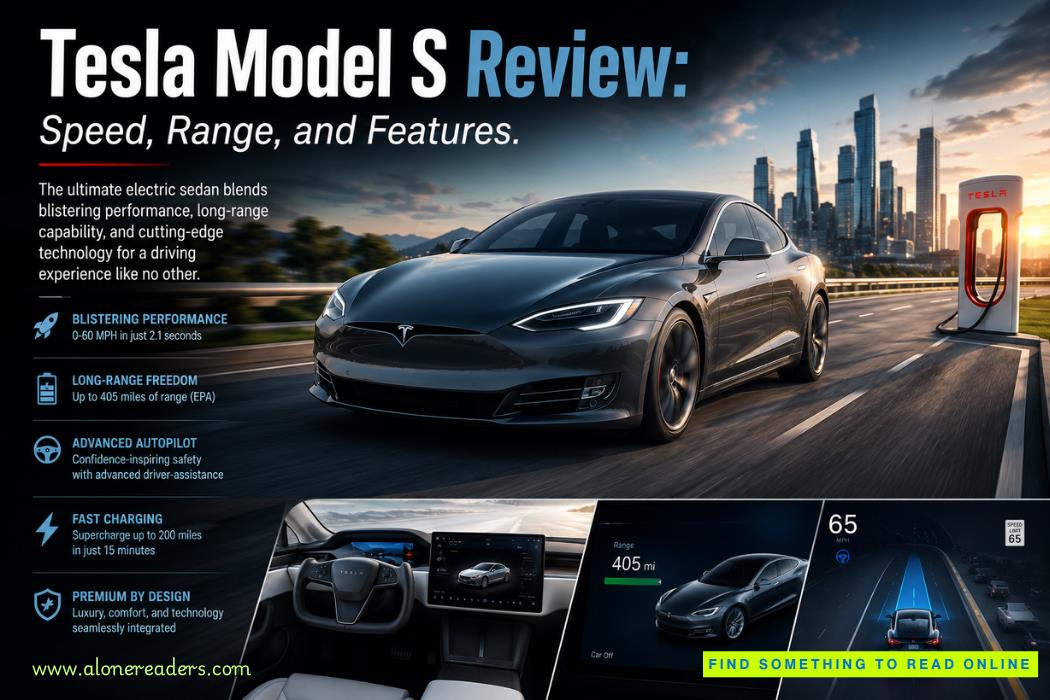 Tesla Model S Review: Speed, Range, and Features in 2026
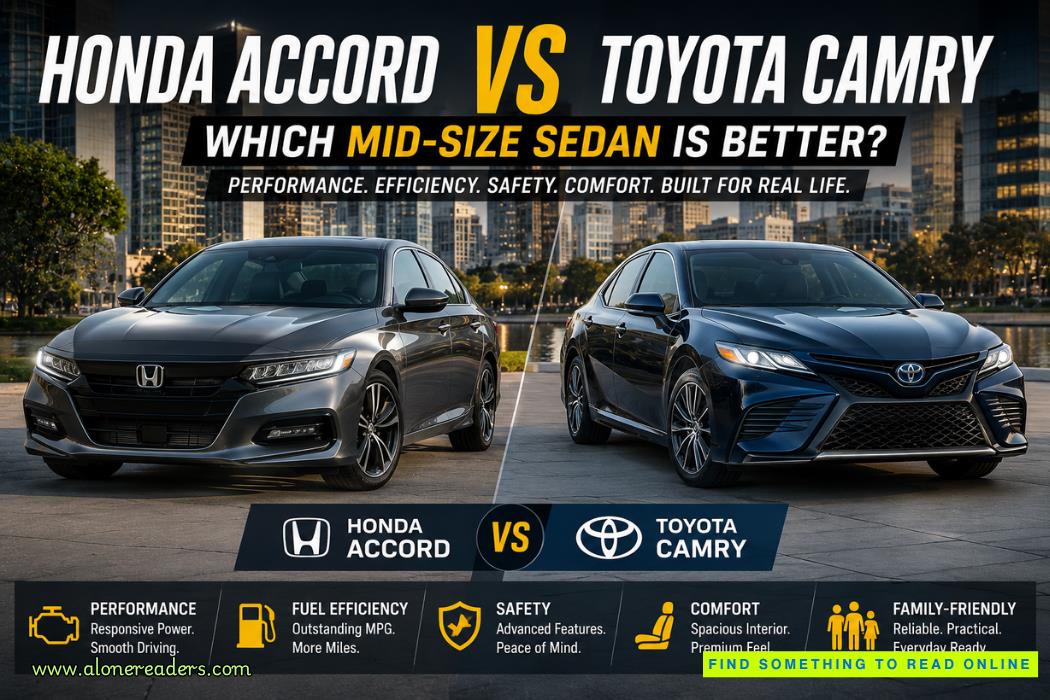 Honda Accord vs Toyota Camry: Which Mid-Size Sedan Is Better?
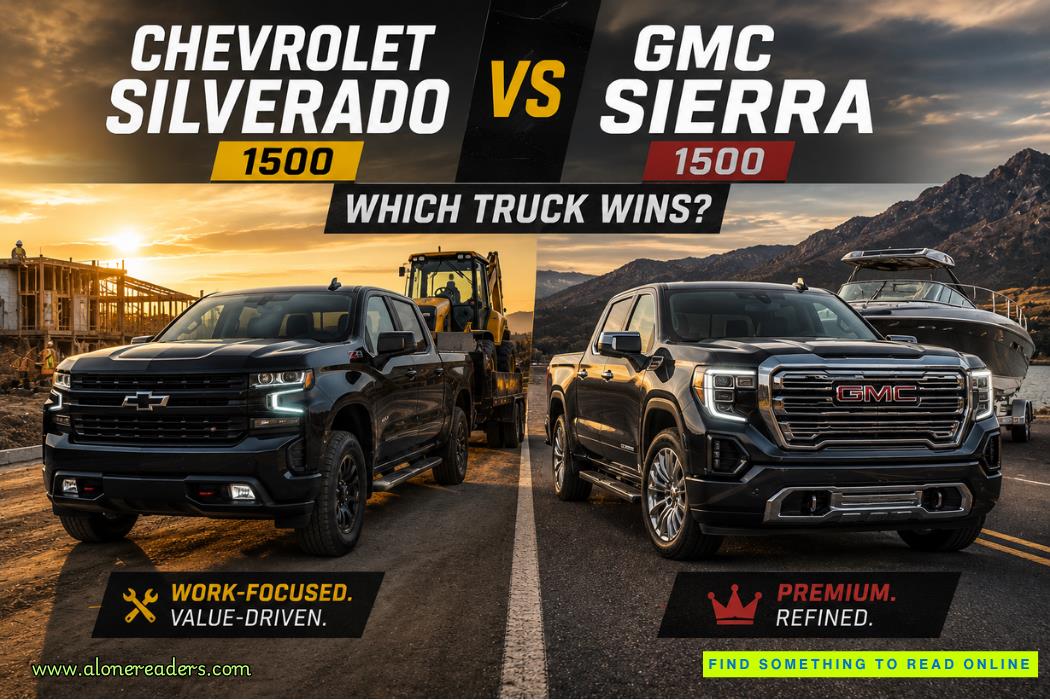 Chevrolet Silverado vs GMC Sierra: Which Truck Wins?
 2026 Jeep Wrangler Review: Off-Road Capabilities Tested in Extreme Terrain
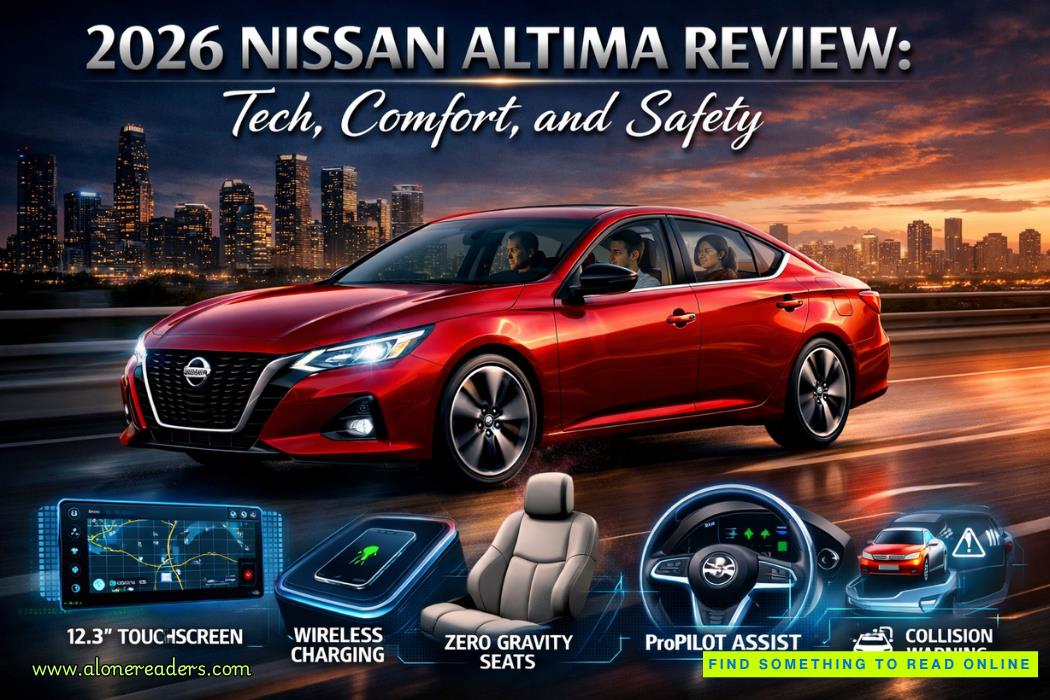 2026 Nissan Altima Review: Tech, Comfort, and Safety – In-Depth Expert Analysis
 Hyundai Tucson vs Kia Sportage: 2026 Compact SUV Comparison Guide










