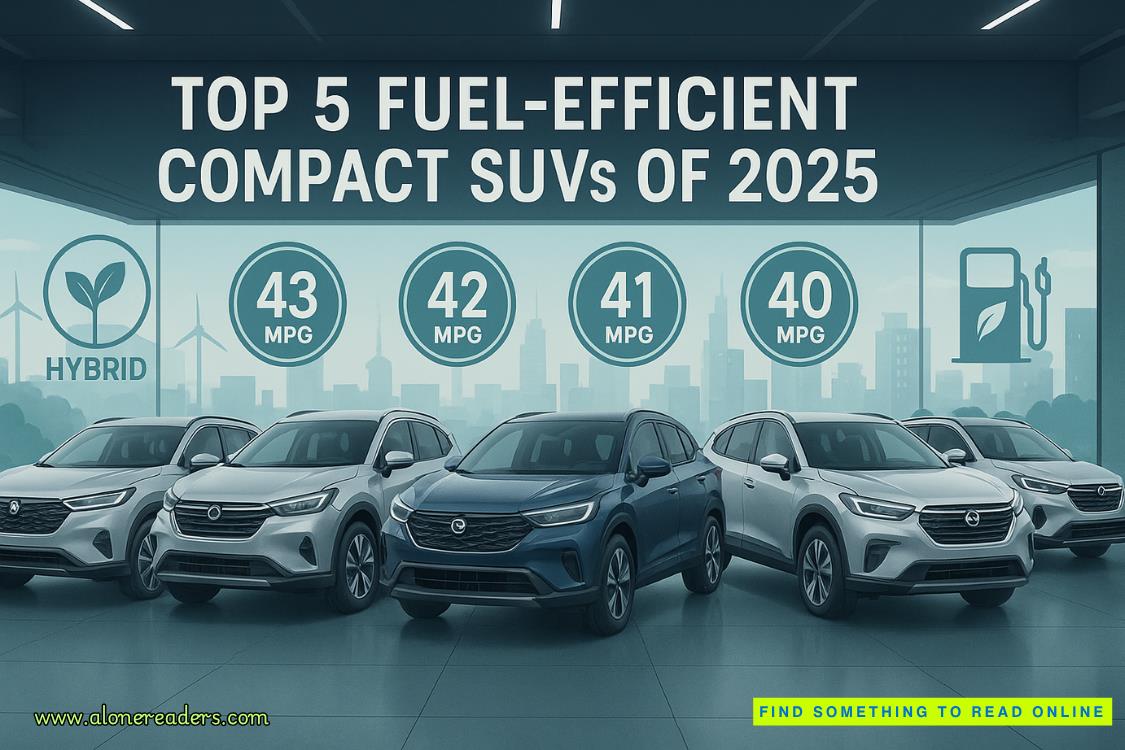
The compact SUV market in 2025 has reached an impressive milestone—efficiency is no longer just a feature, it has become a core selling point. With fuel prices remaining unpredictable and environmental awareness steadily increasing, buyers now expect strong mileage without giving up performance, technology or comfort. The latest models push engineering limits with new hybrid systems, turbocharged innovations and smart driving modes. Among dozens of contenders, five models have clearly emerged as leaders in fuel efficiency for 2025: Toyota Corolla Cross Hybrid, Nissan Rogue, Volkswagen Taos, Honda CR-V Hybrid, and Hyundai Tucson Hybrid. Each brings a different strategy to the table, making the list suitable for various types of drivers—from city commuters to family travelers to tech enthusiasts.
The automotive industry has realized that compact SUVs must adapt to real-world usage—suburban parking, highway cruising, tight city traffic and spontaneous road trips. These five vehicles demonstrate that fuel economy does not necessarily mean sacrifice. Instead, 2025 proves that efficiency can be paired with style, practicality and reliability. Below is a deep analysis of each model and what makes it stand out in a crowded market.
With an estimated 42 mpg combined, the Toyota Corolla Cross Hybrid holds the top position. This model brings the dependable Toyota Hybrid System optimized for urban and suburban conditions, delivering smooth acceleration with minimal fuel burn. Compact dimensions make it easy to park while still offering enough space for families and young professionals. What makes it truly impressive is its low cost of ownership, thanks to Toyota’s proven hybrid components and durable engineering. The cabin avoids unnecessary flair and instead focuses on smart usability—intuitive infotainment, comfortable seats and excellent visibility. The suspension is tuned for daily driving rather than off-road adventures, making it ideal for commuters who value efficiency above all.
The hybrid setup transitions seamlessly between electric assistance and gasoline power. In stop-and-go traffic, it shines brilliantly, often outperforming many sedans. For drivers prioritizing fuel savings, reliability and practicality, this is the benchmark vehicle of 2025.
Not everyone wants a hybrid. Some prefer the traditional feel of a gasoline engine but still demand high efficiency. The 2025 Nissan Rogue steps in with a solid 33 mpg combined, making it the most fuel-efficient non-hybrid compact SUV in its class. Nissan updated the Rogue’s powertrain for 2025, improving fuel mapping, transmission responsiveness and engine cooling to maximize economy without affecting acceleration. Unlike smaller hybrid models, the Rogue offers a surprisingly large cargo area, making it suitable for travelers while still appealing to city drivers.
The interior received refinements in materials and ergonomics. Seats are soft yet supportive, and Nissan’s Zero Gravity seat design continues to be praised for long journeys. Its ProPILOT Assist technology helps with lane control and adaptive cruise, making highway drives significantly easier. As a non-hybrid, Rogue also appeals to buyers concerned about long-term battery maintenance. It delivers a balanced package—traditional driving feel, large space and strong fuel efficiency.
Volkswagen brings a different perspective with the 2025 VW Taos, which blends turbocharged performance with smart fuel management. It achieves 31 mpg combined, which is impressive for a vehicle focused on driving feel and technology integration. The 1.5-liter turbo engine is tuned for responsiveness, giving it a more spirited personality than the typical fuel-saver SUV. The Taos targets buyers who want style and performance without going into the full luxury price range.
The interior reflects European design—sleek lines, premium textures, and a digital cockpit with advanced analytics showing fuel usage patterns and driving efficiency scores. Volkswagen intentionally focused on intelligent throttle control, allowing the driver to feel power when needed but retaining impressive economy when cruising. For buyers who dislike the soft feel of many hybrids and want a more “driver-focused” machine, the Taos offers a rare blend of personality and practicality.
The 2025 Honda CR-V Hybrid earns its place with up to 40 mpg combined and one of the most spacious cabins in the segment. Honda has calibrated its hybrid system to maintain responsive acceleration even with full passenger load or cargo. It appeals particularly to families and long-distance drivers. One of its strongest attractions is Honda’s historically excellent resale value, making it a wise choice for those who plan to upgrade later.
The driving dynamics are calm yet stable, with a suspension system tuned for comfort on long trips. Honda includes multiple drive modes, allowing users to emphasize economy or power depending on terrain. The cabin feels airy and well-organized, avoiding clutter and promoting an almost minimalist feel. Buyers looking for a safe, long-lasting and adaptable compact SUV often consider the CR-V Hybrid to be the smartest all-purpose choice rather than a niche product.
The 2025 Hyundai Tucson Hybrid finishes the list with an impressive 38 mpg combined and one of the most tech-rich interiors available at this price point. Hyundai has built its reputation on offering high-value vehicles packed with features normally found in premium brands. The Tucson Hybrid offers a full digital instrument cluster, intuitive infotainment system, advanced driver-assist features and a stylish exterior with sharp LED lighting.
What sets it apart is its blend of efficiency, design and warranty coverage. Hyundai continues to offer one of the strongest warranties in the industry, giving buyers confidence in its hybrid technology. The ride quality is stable and predictable, matching everyday needs well. This model attracts tech enthusiasts, young professionals and families wanting modern style without luxury-level pricing. It proves that you don’t need to spend beyond your budget to get premium features.
Each of these five vehicles leads in its category by solving a real-world need:
They share the same philosophy: efficiency should not feel like compromise. The compact SUV class in 2025 shows that automakers now understand how people live—short city trips, long weekend drives, rising fuel costs and growing interest in sustainability. More importantly, it highlights a trend: hybrid technology is rapidly maturing, but smart gasoline systems still have their place.
The market will only grow stronger, but these five models have set the standard for 2025. Anyone purchasing a compact SUV this year should test-drive at least one from this list. The era of choosing between performance and fuel savings is fading—now, drivers can have both in one vehicle. The future of driving is efficient, connected and intelligent—and it has already arrived in compact SUV form.



 Top 10 Affordable Electric Cars for 2026: Best Budget EVs Worldwide
 Tesla Model S Review: Speed, Range, and Features in 2026
 Honda Accord vs Toyota Camry: Which Mid-Size Sedan Is Better?
 Chevrolet Silverado vs GMC Sierra: Which Truck Wins?
 2026 Jeep Wrangler Review: Off-Road Capabilities Tested in Extreme Terrain
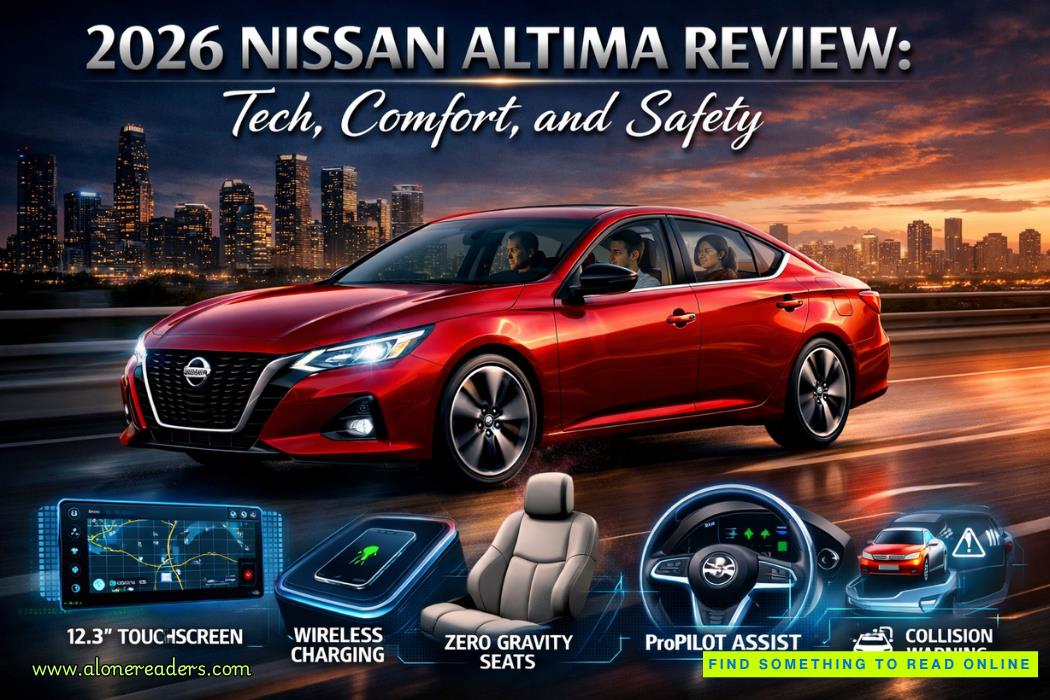 2026 Nissan Altima Review: Tech, Comfort, and Safety – In-Depth Expert Analysis










