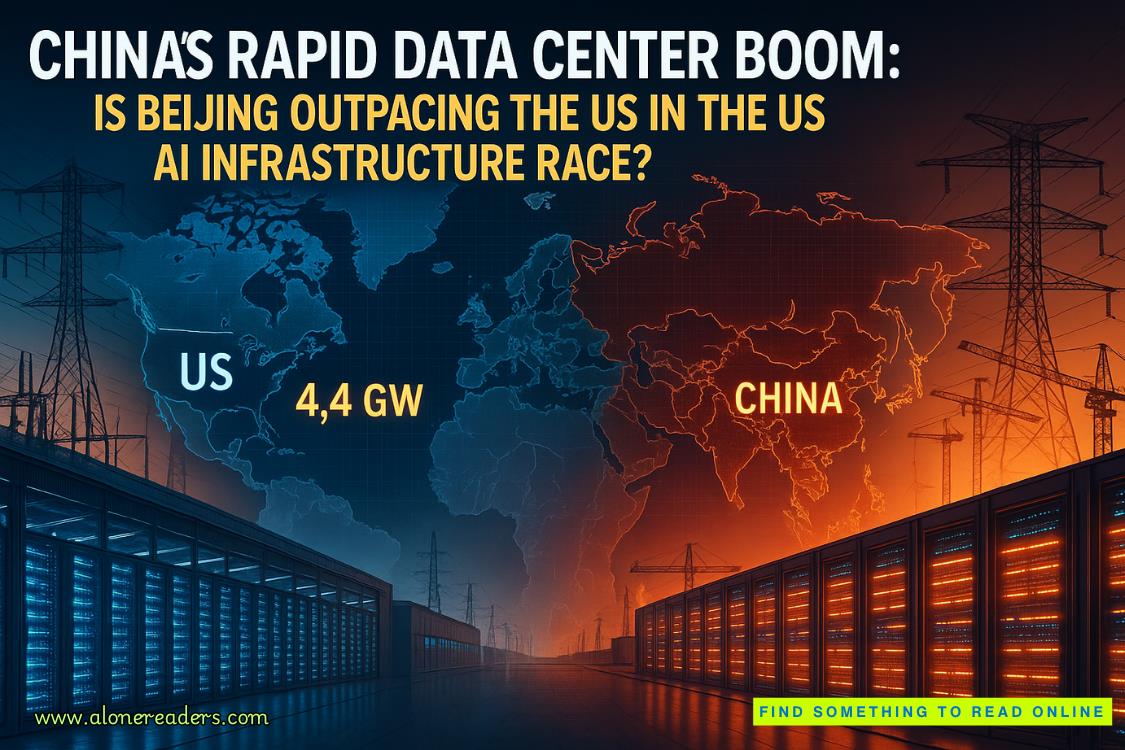
China’s data center expansion has become one of the most closely watched developments in global technology infrastructure. Over the last three years, Beijing’s push to supercharge digital capacity—driven by central planning, generous subsidies, and escalating AI ambitions—has triggered the fastest build-out of new power and server floor space in the country’s history. At a glance, China appears to be adding physical capacity at a speed that matches or even outpaces the US in certain periods. But the deeper story is more complex. While China’s pipeline grows aggressively, the United States continues to dominate in total operational capacity, AI-focused compute density, and hyperscale technological maturity.
The competition between the world’s two largest digital economies is not only about square footage and megawatts; it is about who will lead the next era of high-end AI infrastructure, and the answer varies depending on which metrics are examined.
China’s acceleration is undeniable. Yet whether it is “building faster” than the US is only partially true. The US remains far ahead in absolute hyperscale power, deployment readiness, and advanced GPU-rich AI clusters, but China is closing gaps with astonishing scale and long-term power advantages that could reshape future rankings.
The current global distribution of hyperscale data center power illustrates the difference between growth and dominance. As of late 2024, estimates place the US at approximately 44–51 percent of global hyperscale power capacity. China holds roughly 25–26 percent. This translates to about 53–54 gigawatts of operational capacity in the US compared to roughly 32 gigawatts in China. Despite China’s striking growth trajectory, the raw totals show that the US maintains a commanding lead.
Where China is making headlines is not in today’s installed base but in how aggressively it is expanding. Some Chinese provinces have added multi-hundred-megawatt campuses at a pace that would be difficult to replicate under America’s more decentralized regulatory and utility landscape. But the absolute difference remains: the US has more than 20 gigawatts of additional operating power compared to China, much of which supports GPU-dense AI systems rather than general computing workloads.
China is adding capacity rapidly, but the US is still building from a much larger foundation.
A comparison of investment trends highlights the different drivers behind each country’s expansion. The US hit record data center construction levels in 2024–2025, supported almost entirely by soaring demand for AI training clusters. American operators invested more than 74 billion USD in 2024 alone, expanding mega-campuses in Virginia, Ohio, Iowa, Texas, and emerging regions like Georgia and Arizona. The boom has been further propelled by unprecedented GPU procurement cycles from hyperscalers racing to scale artificial intelligence models and inference networks.
China, by contrast, saw about 28–29 billion USD in data center market revenue during 2024. While this is lower than the US, its structure is different: China’s industry is tightly integrated with government-led infrastructure initiatives, including dedicated policies to modernize national digital capacity. Forecasts suggest annual growth of around 12–13 percent through 2030, driven by “new infrastructure” programs that classify data centers as strategic assets rather than purely commercial ventures.
The divergence shows a fundamental difference. The US expansion is heavily AI-capital-driven, with private hyperscalers competing for compute leadership. China’s expansion is policy-driven, with a national mandate to reshape digital capacity and reduce concentration in coastal megacities.
No factor explains China’s acceleration better than its enormous power development pipeline. Data centers require vast, stable electricity, and China’s national strategies—especially the “East Data, West Computing” initiative—aim to solve that at continental scale. The policy redirects massive computing clusters to western regions with cheaper land and abundant energy, including renewable sources and coal-based baseload generation.
This program alone has unlocked well over 1,000 megawatts of new data center power across designated hubs. Moreover, analysts expect that by 2030 China may have hundreds of gigawatts of surplus electricity due to continued aggressive build-outs in generation capacity. Such an excess would give Beijing a long-term strategic advantage: the ability to grow data center infrastructure continuously without hitting the severe constraints that increasingly plague the US.
In the United States, large AI campuses face mounting challenges in securing power from overloaded regional grids. In Northern Virginia—the world’s largest data center cluster—new projects now wait years for utility interconnects. Similar constraints are emerging in California, Texas, and parts of the Midwest. China does not face the same level of bottlenecks because it can align national energy policy directly with data center planning.
This difference in power availability is one of the main reasons China can build large campuses extremely fast.
Fast construction does not always mean immediate deployment. A recurring observation among industry analysts is that a significant portion of China’s newest capacity remains underutilized. Some reports suggest that up to 80 percent of newly added power and floorspace is partly idle while operators wait for AI workloads, cloud customers, or government data migration to catch up.
This “build first, utilize later” model is central to Beijing’s long-term digital modernization approach. It ensures infrastructure readiness ahead of demand rather than reacting to it. However, it also means that the country’s operational load lags behind its physical footprint, creating a gap between theoretical and practical capacity.
The US takes almost the opposite approach. New facilities, especially those built for AI hyperscalers, are typically at or near full utilization from the moment they power on. The stampede for high-density GPU clusters means American data centers are often constrained by supply, not demand. In practice, this leads to far higher compute density per megawatt in the US than in China.
Technological sophistication is another area where the US continues to lead decisively. The most advanced AI clusters—equipped with H100s, H200s, B200s, and custom accelerators—are overwhelmingly deployed in American campuses built by hyperscalers such as Microsoft, Google, Meta, and Amazon. These facilities feature advanced liquid cooling systems, high-density rack configurations, and elaborate fiber interconnect fabrics optimized for large-scale model training.
China is moving quickly to adopt many of the same technologies. New Chinese sites increasingly incorporate liquid cooling, modular power distribution, and high “green power” penetration to meet efficiency and sustainability mandates. But restrictions on access to the latest US-designed AI chips continue to slow China’s ability to match the compute density of American hyperscalers.
This means that even though China may build large campuses faster in some regions, the US still operates the world’s most powerful AI-ready infrastructure per square meter and per megawatt.
The question of whether China “builds data centers faster” than the US has no single definitive answer. China can construct megaprojects extraordinarily quickly—often faster than American developers constrained by zoning, power procurement, and slower regulatory cycles. In terms of raw construction speed, China is indeed capable of adding megawatts more quickly in short bursts.
But the United States retains the lead where it matters most for AI: total operational capacity, investment scale, and advanced compute density. China’s pipeline is enormous, but much of it is still awaiting full activation. The US, driven by private-sector AI competition, continues to deploy more high-end GPU-dense infrastructure than any nation on Earth.
Both countries are now locked in a long-term infrastructure race. China brings unmatched construction speed and a vast future power advantage. The US brings the most sophisticated AI ecosystem and the deepest well of private capital. Over the next decade, the competition between these two giants will shape the global computing landscape, determining where the world’s next generation of artificial intelligence is trained, developed, and deployed.
In the present moment, China is the fastest-growing challenger, but the US remains the dominant, technologically superior leader. The race is accelerating, and both nations are building toward an AI-driven future where compute capacity becomes as geopolitically important as energy, manufacturing, or military power.



 AI Video Generators in 2026: How Creators Are Replacing Traditional Editing
 Anthropic vs OpenAI: Diverging Compute Economics, Cash Burn, and the Fight for AI Profitability
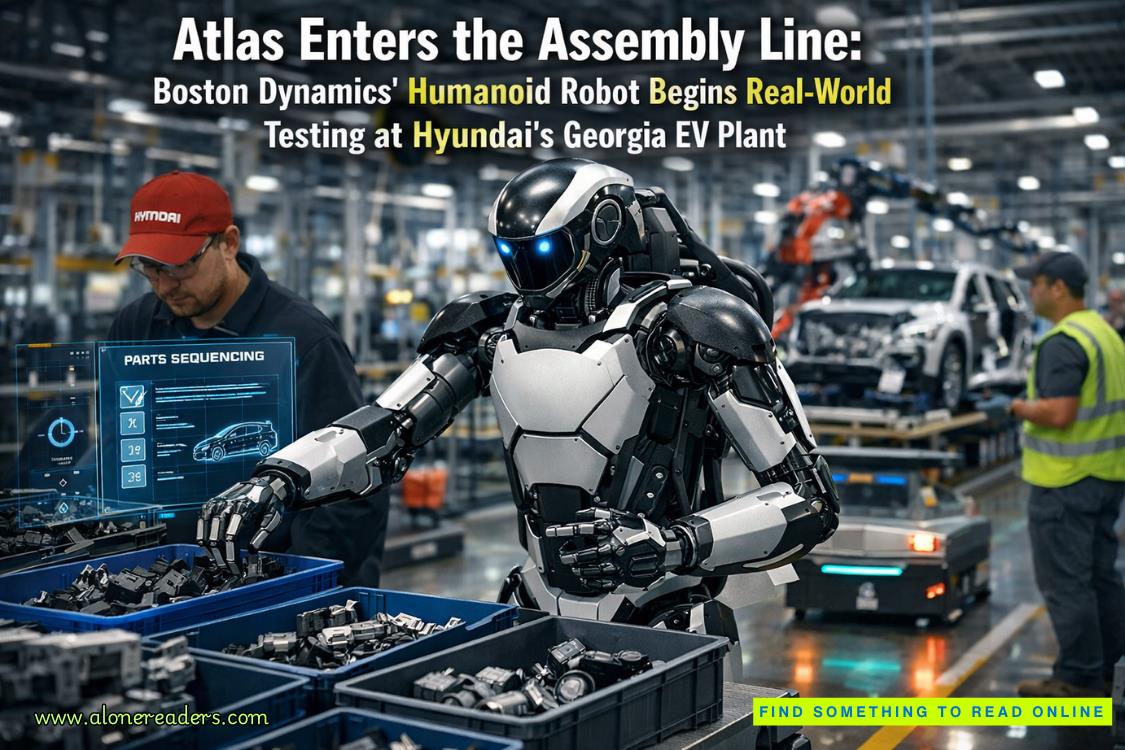 Atlas Enters the Assembly Line: Boston Dynamics’ Humanoid Robot Begins Real-World Testing at Hyundai’s Georgia EV Plant
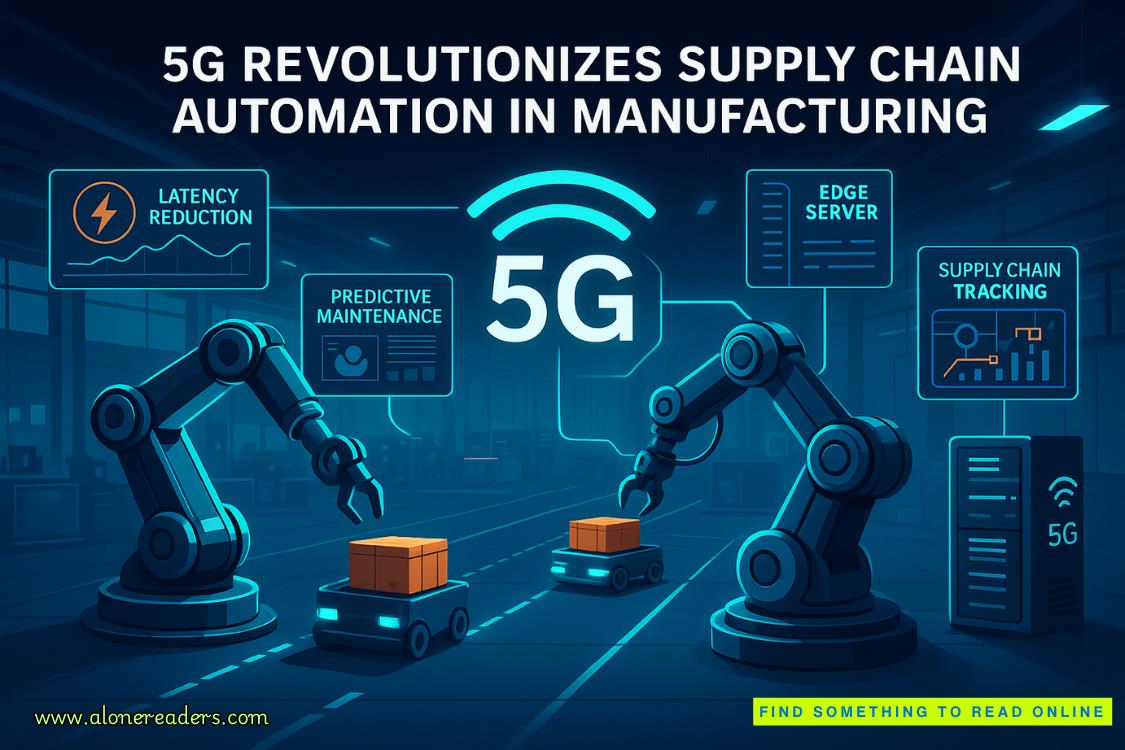 5G Revolutionizes Supply Chain Automation: Manufacturing Enters a New Era of Precision and Profitability
 GPT-4.1 vs Llama 4 Maverick vs Gemini 1.5 Pro: Who Really Leads in Reasoning, Multimodality, and Speed in 2025?
 Project Prometheus: Jeff Bezos Launches a $6.2 Billion AI Startup to Transform Engineering and the Physical World










