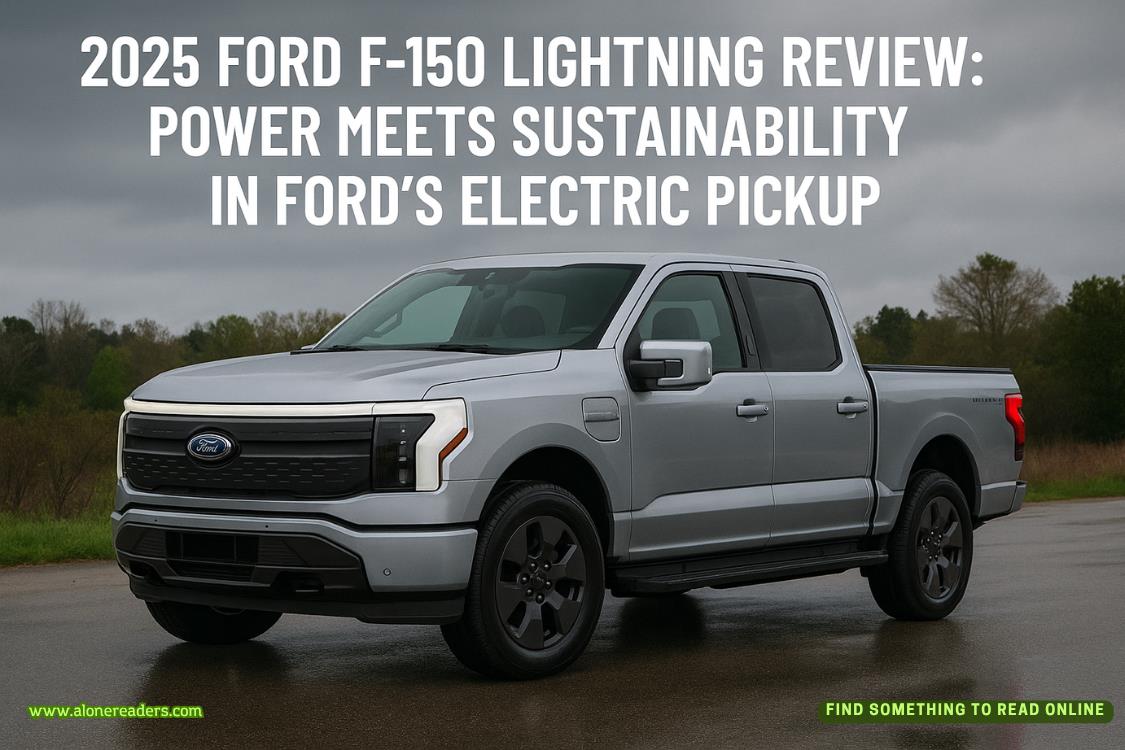
The 2025 Ford F-150 Lightning stands as a major milestone in the automotive industry’s transition toward sustainable mobility. For decades, the F-150 has represented strength, dependability, and hard-working American engineering. The Lightning variant carries that legacy into the electric age — without abandoning what truck buyers demand most: power, endurance, and practicality. This is not merely an electric version of the F-150; it’s a blueprint for what heavy-duty sustainability can look like worldwide. Whether it’s the U.S., Australia, or Europe, the 2025 Lightning shows how a pickup can be both a workhorse and a symbol of clean innovation.
Dual-motor system and acceleration.
At its heart, the 2025 F-150 Lightning is powered by dual electric motors delivering instant torque across all four wheels. The system produces up to 580 horsepower and an astonishing 775 lb-ft of torque, making it one of the most powerful F-150s ever built. This electric torque translates to lightning-fast acceleration — 0 to 60 mph in roughly four seconds — without the roar of a V8 engine. It’s power you feel in your chest, not your ears.
Ride quality and handling.
The weight of the battery pack sits low within the chassis, improving stability and balance. The independent rear suspension — a first for an F-150 — makes the ride smoother, with less bounce over rough roads. This setup gives the Lightning a planted, confident feel uncommon in full-size trucks. Whether maneuvering in tight city streets or powering down rural highways, the handling feels refined, poised, and controlled.
Off-road and traction control.
Ford’s all-wheel-drive system adapts instantly to changing conditions. Snow, mud, or gravel surfaces trigger intelligent torque distribution, maximizing grip. While the Lightning isn’t a dedicated off-roader like the Raptor, its combination of electric torque and traction software ensures strong performance even in unpredictable terrains.
Battery options and driving range.
Buyers can choose between two battery configurations: the Standard-Range pack offering up to about 240 miles (≈385 km) per charge, and the Extended-Range pack stretching that to roughly 320 miles (≈515 km). Real-world results vary with driving style, load, and climate — yet many tests show the Lightning can outperform its official estimates in mild conditions.
Charging time and convenience.
On a DC fast charger, the Lightning can recover around 65% of its battery (from 15% to 80%) in roughly 35 minutes. For most owners, overnight home charging through a Level 2 240-volt outlet remains the practical choice, refilling the battery completely while you sleep. Ford’s Intelligent Power management system even allows you to schedule charging during off-peak electricity hours — saving both time and money.
Smart energy use and reverse power.
A standout innovation is the “Pro Power Onboard” system, turning the truck into a mobile generator. With up to 9.6 kilowatts of exportable power, the Lightning can run tools, camping gear, or even power an entire home during an outage. In disaster-prone regions or remote worksites, this capability redefines what “sustainability” means — not just zero emissions, but energy independence and resilience.
Environmental impact and sustainability design.
Beyond its powertrain, Ford emphasizes recyclable materials and energy-efficient production in the Lightning’s build. Aluminum body panels reduce weight, and the truck’s assembly incorporates renewable-energy sources at Ford’s Rouge Electric Vehicle Center. Globally, it signals how legacy automakers can pivot toward carbon-neutral manufacturing while maintaining scale and durability.
Towing and payload.
Despite its electric heart, the Lightning doesn’t shy away from truck duties. When properly equipped with the Max Tow Package, it can tow up to 10,000 pounds (about 4,536 kg). Payload capacity sits between 1,600 and 2,200 pounds (≈725-1,000 kg), depending on trim and battery pack. The torque delivery — available instantly — gives it superior pulling confidence from a stop.
Impact of load on range.
Like any EV, heavy loads reduce range. Pulling a trailer or carrying full payloads can cut available mileage by 30–40%, depending on weight and aerodynamics. However, Ford’s Smart Range Calculator integrates trailer size and weight into the vehicle’s range estimation, giving drivers accurate forecasts in real time — an invaluable feature for planning long trips or job-site commutes.
The “frunk” advantage.
Because there’s no traditional engine, the Lightning adds a front trunk — or “frunk” — with 14 cubic feet (≈0.4 m³) of lockable storage. It’s waterproof, has four power outlets, USB ports, and even a drain plug — ideal for carrying tools, luggage, or chilled items during travel.
Cabin comfort and design.
Inside, the Lightning balances ruggedness with modern refinement. The cabin design mirrors that of the standard F-150 but adds EV-specific displays and premium materials. Higher trims like the Platinum include heated and ventilated leather seats, ambient lighting, and a panoramic sunroof, turning the truck’s interior into a quiet, executive-level workspace.
Infotainment and controls.
The centerpiece is Ford’s SYNC 4A system displayed through a massive 15.5-inch vertical touchscreen on upper trims. It controls navigation, climate, media, and vehicle settings with voice commands or touch gestures. Wireless Apple CarPlay, Android Auto, and over-the-air software updates are standard. A 12-inch digital instrument cluster provides real-time data on power usage, range, and regenerative braking performance.
Driver assistance and automation.
The 2025 Lightning continues Ford’s BlueCruise 1.3 hands-free driving system, allowing semi-autonomous highway travel on mapped routes across multiple continents. Combined with adaptive cruise control, lane-centering, 360-degree cameras, and automated parking, the Lightning blurs the line between pickup and intelligent mobility platform.
For urban users.
In cities like Los Angeles, Sydney, or London, the Lightning’s zero-emission operation allows it to bypass many restrictions that limit combustion trucks. Its quiet drive makes it more pleasant for everyday commuting while retaining hauling ability for business or recreation.
For rural and commercial users.
For farmers, builders, and off-grid users, the combination of strong torque, onboard power generation, and lower maintenance costs is compelling. In regions with growing renewable-energy adoption, such as Europe or Oceania, integrating the Lightning into solar-powered homes or fleets could offer substantial long-term savings.
Maintenance and ownership cost.
EV ownership remains more affordable in the long run due to fewer moving parts, no oil changes, and regenerative braking reducing wear. Battery warranties typically extend to eight years, giving owners peace of mind. When charged primarily at home, operational costs per mile can be less than half those of gasoline counterparts.
Key Strengths
Key Weaknesses
The 2025 Ford F-150 Lightning isn’t just an electric truck; it’s a cultural transition point. It demonstrates that environmental responsibility and brute capability no longer sit on opposite ends of the spectrum. Its torque, towing capacity, and refined handling prove that electrification enhances performance rather than limits it. Meanwhile, its sustainability efforts — from recyclable materials to bidirectional power flow — make it a model for global EV engineering.
From American highways to Australian countryside, the Lightning’s relevance is undeniable. It provides a clear message: electrification has matured enough to power not just city cars but the backbone of heavy-duty transport. For those ready to embrace electric power without surrendering rugged reliability, the 2025 Ford F-150 Lightning may well be the future — already parked in the present.



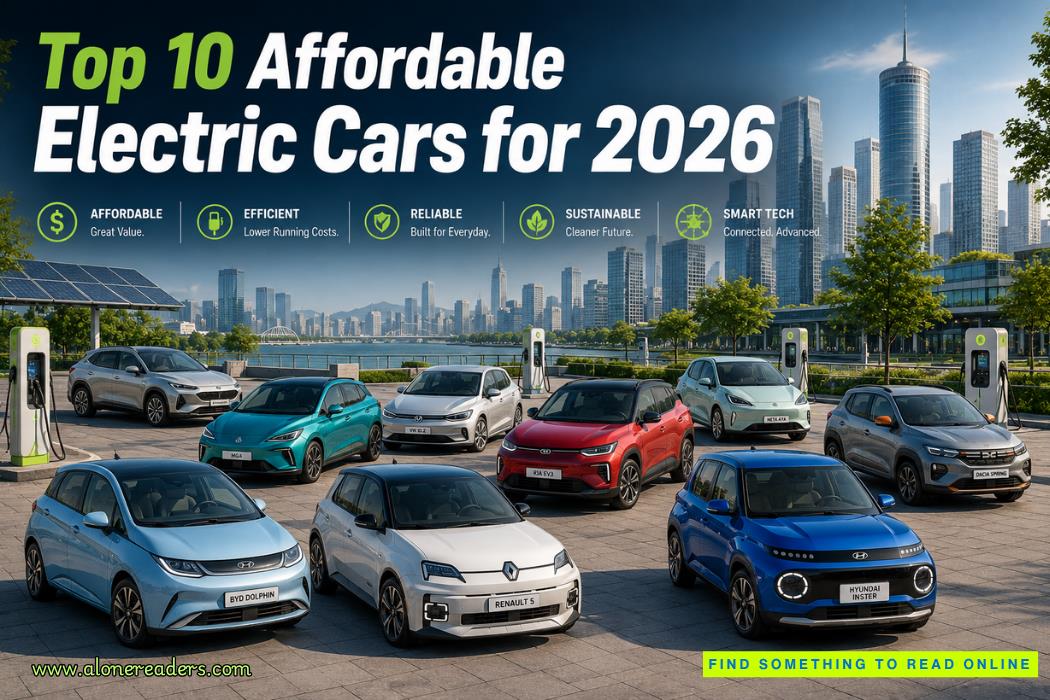 Top 10 Affordable Electric Cars for 2026: Best Budget EVs Worldwide
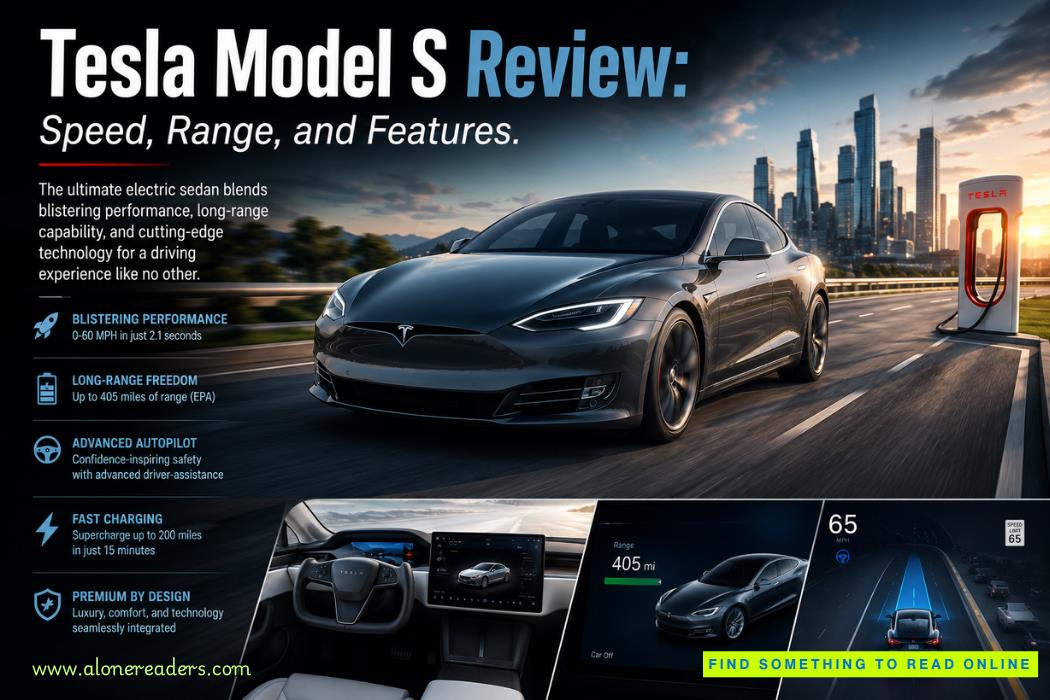 Tesla Model S Review: Speed, Range, and Features in 2026
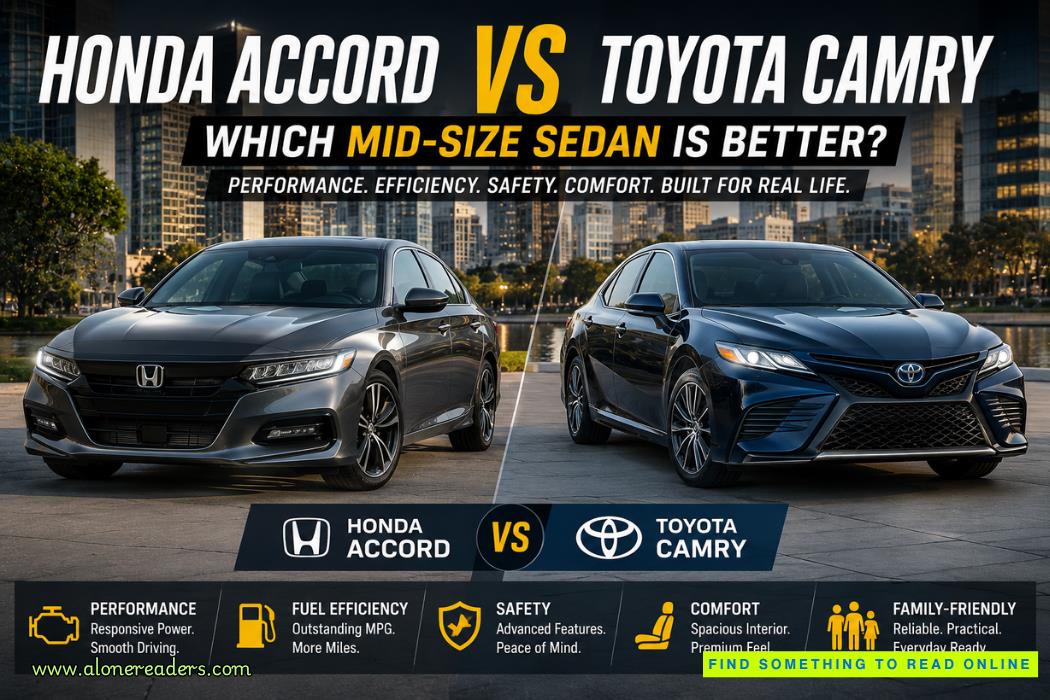 Honda Accord vs Toyota Camry: Which Mid-Size Sedan Is Better?
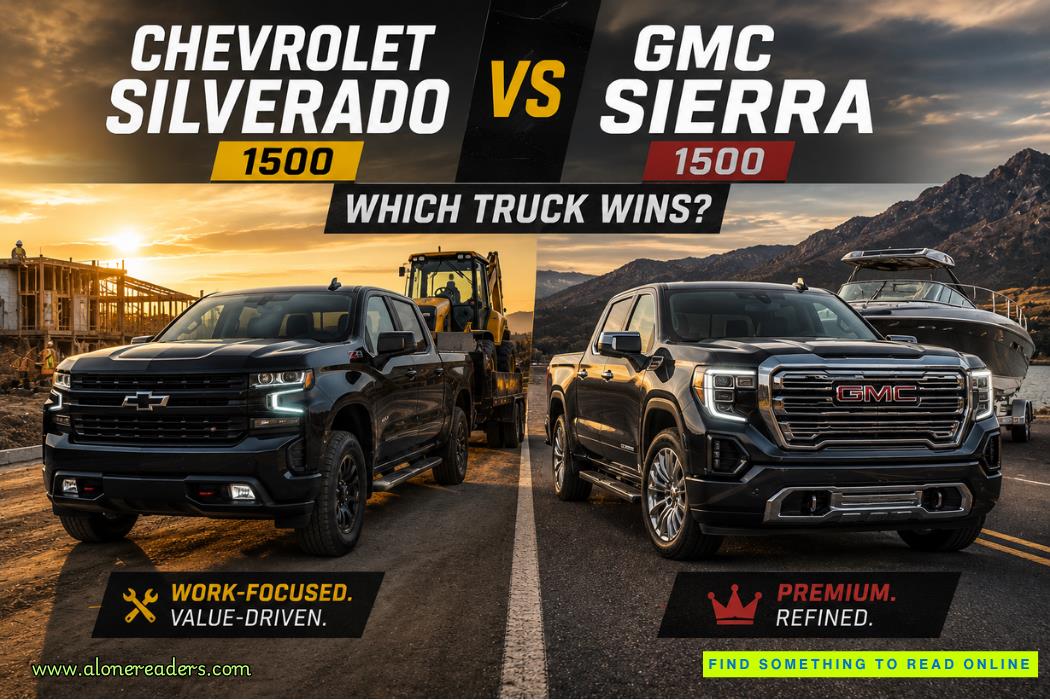 Chevrolet Silverado vs GMC Sierra: Which Truck Wins?
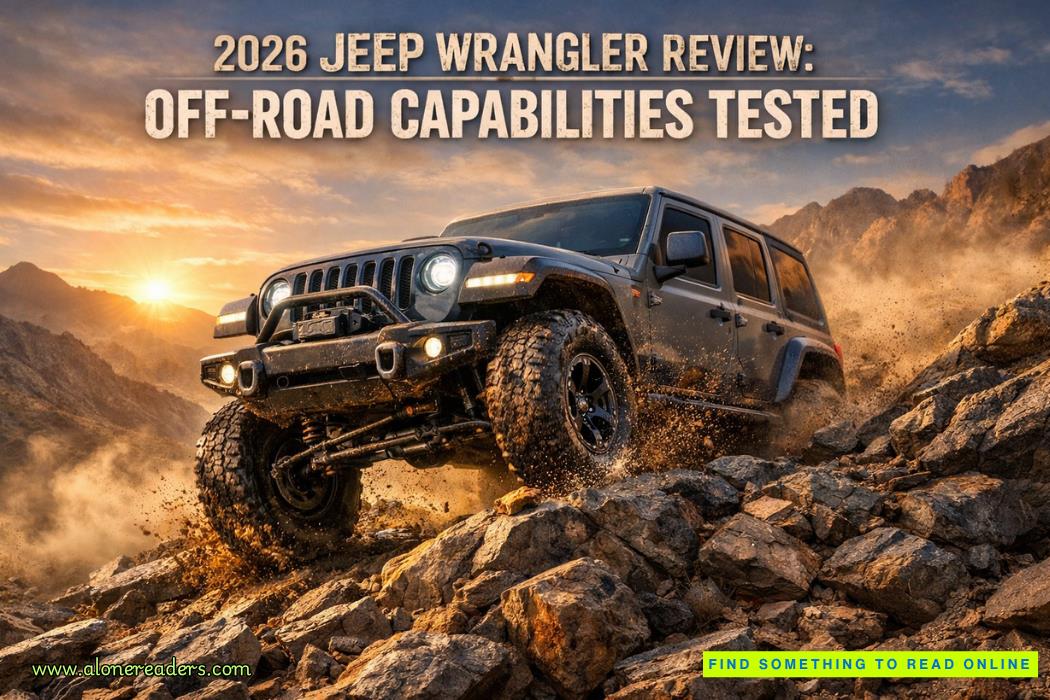 2026 Jeep Wrangler Review: Off-Road Capabilities Tested in Extreme Terrain
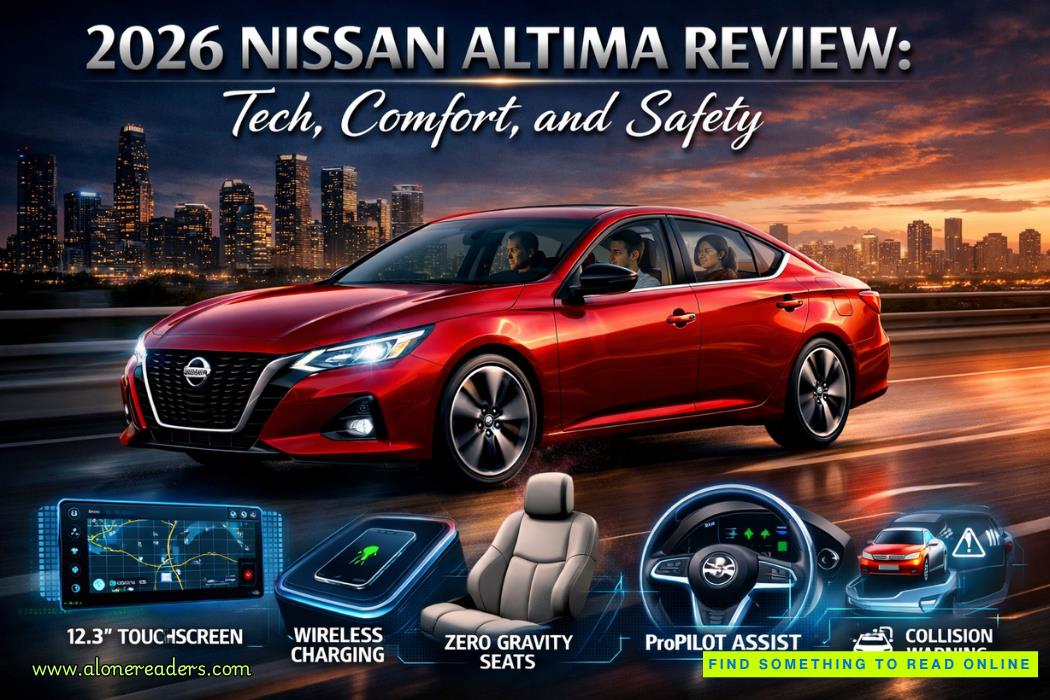 2026 Nissan Altima Review: Tech, Comfort, and Safety – In-Depth Expert Analysis










