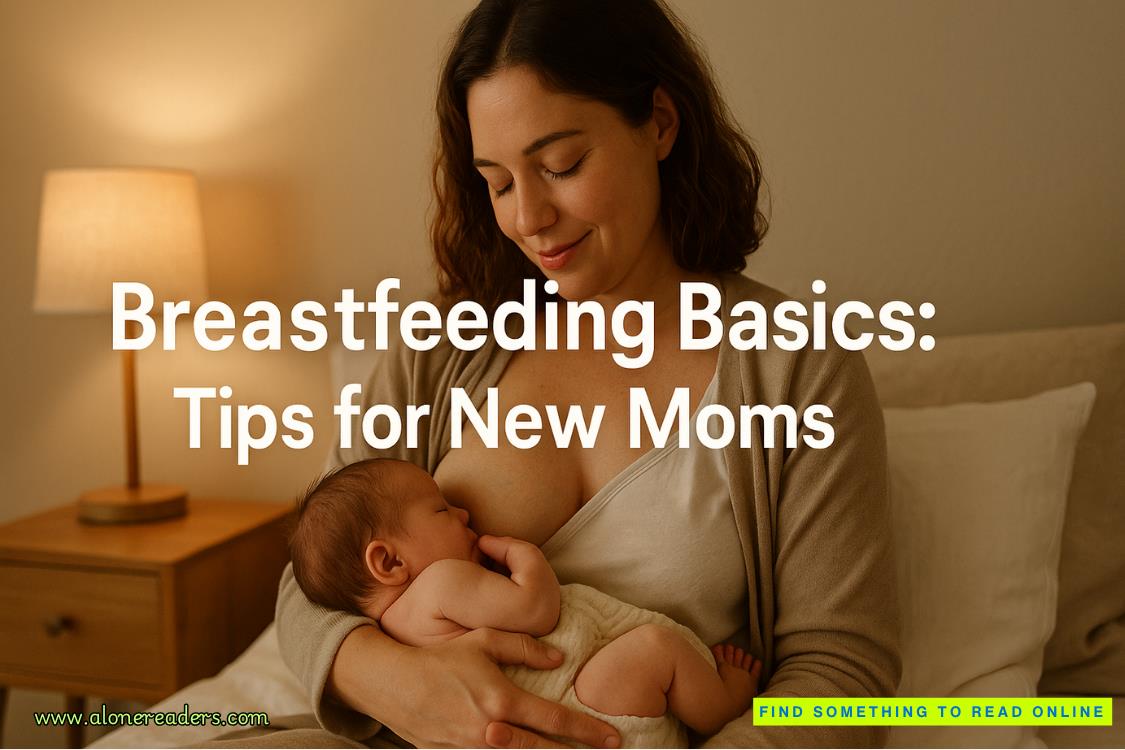
Becoming a new mother brings a wave of excitement, anxiety, doubt and discovery. Breastfeeding is one of the first important responsibilities, and for many new moms, it becomes a source of stress when things do not go smoothly in the beginning. Understanding how breastfeeding works, knowing the signs of a good latch, learning about milk supply, and taking care of your own physical and emotional wellbeing are the true foundations of a successful breastfeeding journey. This article explains breastfeeding in a specialist yet practical way so that new mothers can start with confidence and avoid early frustration.
Physical benefits for the baby
Breast milk is naturally tailored to the baby’s needs. It contains antibodies, enzymes, and nutrients that protect against infections and support brain development. Breastfed babies generally have stronger immunity, better digestion, and reduced chances of allergies or respiratory illnesses.
Benefits for the mother
Breastfeeding releases oxytocin, which helps the uterus return to its pre-pregnancy size and may lower postpartum bleeding. It can also aid in gradual weight loss, reduce risk of breast and ovarian cancer, and create a strong emotional bond with the baby.
Emotional bonding
The skin-to-skin closeness during feeding helps regulate the baby’s temperature, heart rate, and stress levels. It also creates an emotional connection that strengthens the mother-baby relationship.
Importance of early initiation
Experts recommend breastfeeding within the first hour of birth. This “golden hour” helps stimulate milk production and teaches the baby how to latch naturally.
Colostrum – the baby’s first immunity
In the first few days, the breasts produce a thick, yellowish milk called colostrum. It is extremely rich in antibodies and acts as the first immune system booster for the newborn.
A correct latch stops nipple pain, ensures enough milk transfer, and prevents problems like blocked ducts or low supply.
Signs of a good latch
• The baby’s mouth covers most of the areola, not only the nipple
• Jaw moves rhythmically while sucking
• You hear soft swallowing sounds
• No clicking noises
• No pain after the initial seconds
Steps for a successful latch
• Hold the baby close, stomach facing your stomach
• Gently tickle the baby’s lips with your nipple
• Wait for the mouth to open wide
• Bring the baby to the breast, not the breast to the baby
• Ensure chin touches your breast and nose stays clear
Warning signs of a poor latch
• Sharp nipple pain during or after feeding
• Nipple comes out flattened or damaged
• Baby still seems hungry after long feeding sessions
• Excessive clicking sounds while suckling
Try different positions until you find what is comfortable and sustainable.
How milk supply works
Milk production follows demand: the more frequently and effectively the baby feeds, the more milk the body produces. Hormones like prolactin and oxytocin play major roles in supply.
How to increase supply naturally
• Feed on demand, not on a strict schedule
• Avoid long gaps between sessions
• Stay hydrated and nourished
• Skin-to-skin contact boosts supply
• Avoid unnecessary formula supplements early on
• Use breast pumps after feeding if needed to stimulate more production
Signs of adequate milk supply
• Baby has at least 6 wet diapers a day after the 5th day
• Steady weight gain
• Baby seems satisfied after most feedings
• Regular bowel movements
Sore or cracked nipples
This is often caused by poor latch. Apply expressed breast milk on nipples after feeding, allow air drying, and avoid harsh soaps.
Engorgement
When breasts feel overly full or painful, try warm compresses, gentle massage, and frequent feedings. If the baby cannot latch, express a small amount first to soften the breast.
Blocked milk ducts
Hard lumps in the breast may indicate blockage. Feed frequently, massage toward the nipple, use warm cloths, and avoid tight clothing.
Mastitis
Inflammation of the breast caused by infection. Symptoms include fever, redness, and severe pain. Immediate medical attention is needed; do not stop breastfeeding unless advised.
Nutrition essentials
A breastfeeding mother needs extra calories and nutrient-rich foods. Balanced meals should include:
• Lean proteins (fish, chicken, eggs, lentils)
• Healthy fats (avocado, nuts, olive oil)
• Whole grains and vegetables
• Calcium-rich foods (yogurt, milk, cheese)
Hydration
Drink water regularly, especially before and after feeding sessions. Dehydration can reduce milk supply and energy levels.
Foods to limit
• Excess caffeine
• High-mercury fish
• Alcohol (if consumed, wait a few hours before feeding)
When pumping is useful
Pumping is beneficial for working mothers, premature babies, or when maintaining supply during separation.
Storage guidelines
• Room temperature: up to 4 hours
• Refrigerator: up to 4 days
• Freezer: 6–12 months depending on freezer type
• Always label with date and time
• Avoid re-freezing thawed milk
Warming stored milk
Warm under running lukewarm water or in a bowl of warm water. Microwaving should be avoided as it can destroy nutrients.
Postpartum emotions
Hormonal changes, exhaustion, and fear of failure can make breastfeeding emotionally challenging. Many mothers feel pressure to succeed, and guilt if it becomes difficult.
When to seek support
Contact professionals if anxiety, sadness, or frustration becomes overwhelming. Lactation consultants, midwives, or support groups can provide practical help and emotional reassurance.
Self-care is not selfish
Rest whenever possible, eat well, ask for help with household tasks, and remember that breastfeeding success does not define your worth as a mother.
• Baby has poor weight gain
• Persistent nipple or breast pain
• Breast redness or fever
• Baby shows signs of dehydration
• Milk supply suddenly drops
Early help prevents long-term complications and keeps your breastfeeding journey healthy and positive.
Breastfeeding is natural, but it doesn’t always come naturally. It involves learning, patience, practice, and sometimes professional guidance. Every mother and baby pair is different, and no journey looks exactly the same. Focus on comfort, correct latch, good nutrition, mental health, and regular feeding. With the right techniques and mindset, breastfeeding can become one of the most rewarding experiences of early motherhood — not just as a source of nutrition, but as a powerful connection between mother and child.
If challenges arise, remember: asking for help is a strength, not a weakness. What matters most is the wellbeing of both the mother and the baby.



 The Power of Positive Thinking: How to Cultivate Optimism for Lasting Success
 Mindfulness Practices to Enhance Mental Health: Science-Backed Techniques for Emotional Resilience
 Pavlova Christmas Tree – A Light, Festive & Stunning Holiday Dessert
 Sticky Glazed Christmas Chicken – A Sweet and Savory Delight for the Holiday Table
 Gingerbread Biscuits and Cakes – A Complete Festive Recipe Guide
 Beef Wellington – A Masterpiece Main Dish for Special Occasions