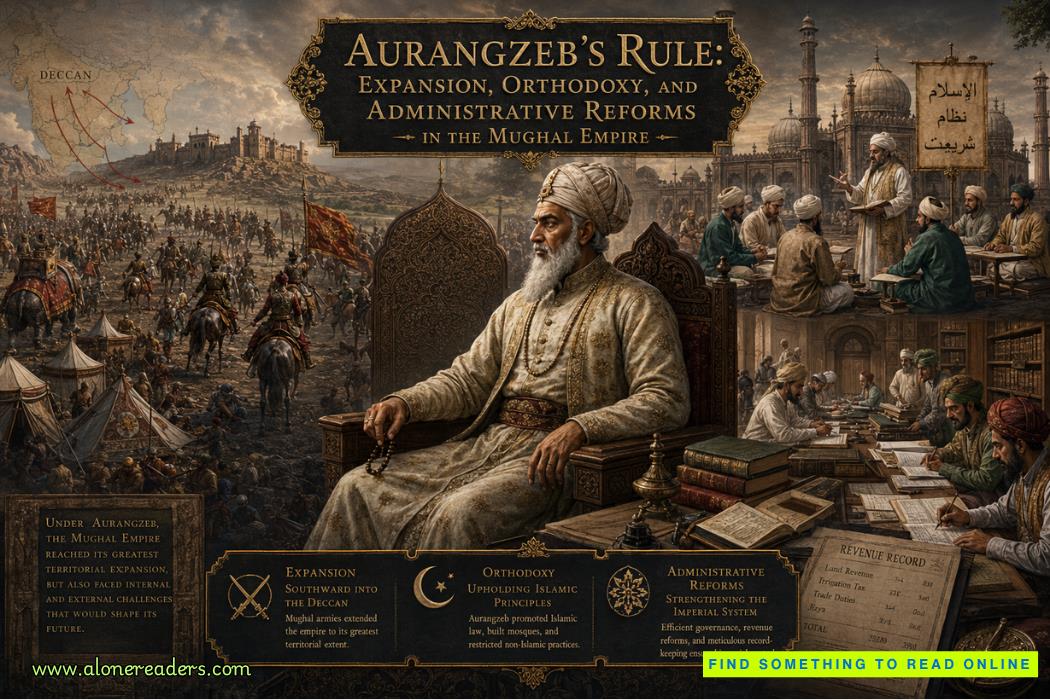
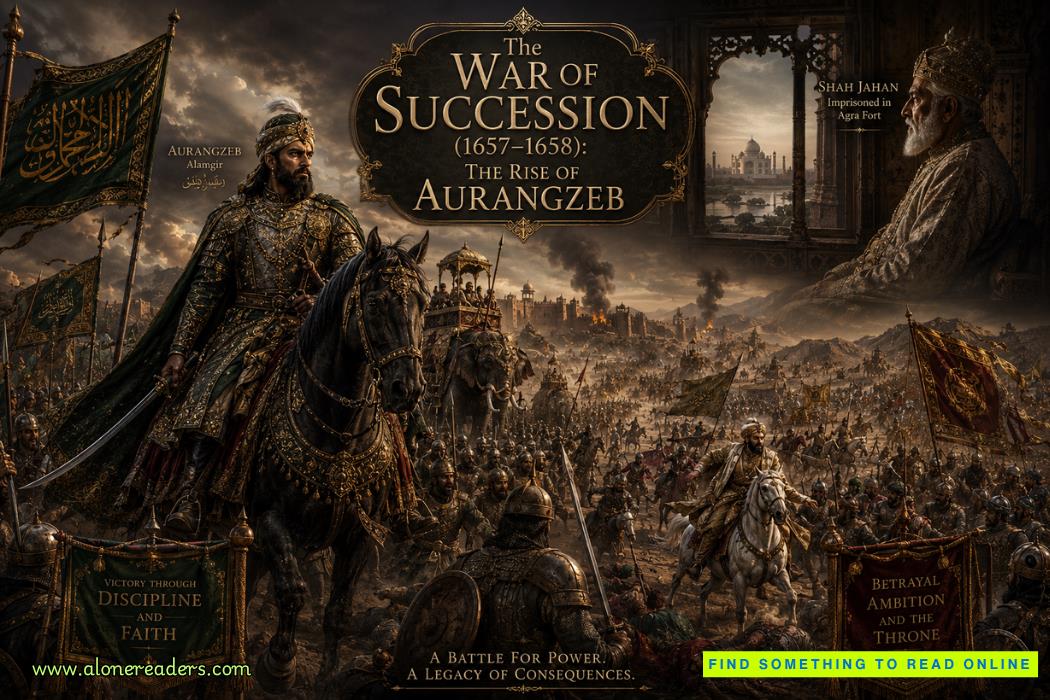
Aurangzeb’s reign over the Mughal Empire remains one of the most complex and debated periods in South Asian history, marked by unprecedented territorial expansion, a strong turn toward religious orthodoxy, and significant administrative restructuring. Ascending the throne in 1658 after a brutal war of succession, Aurangzeb Alamgir inherited a vast and wealthy empire from his father Shah Jahan, yet he chose a markedly different path in governance. His rule was not merely a continuation of Mughal traditions but a transformation that reshaped the empire’s political, cultural, and religious fabric in profound ways.
From the outset, Aurangzeb demonstrated a clear commitment to consolidating imperial authority and expanding Mughal dominion. Unlike his predecessors, who balanced conquest with diplomacy and cultural synthesis, Aurangzeb pursued a more aggressive and sustained military policy. The Mughal Empire reached its greatest geographical extent under his rule, stretching from the Hindu Kush in the northwest to the deep southern regions of the Deccan plateau. His campaigns in the Deccan against the Bijapur and Golconda Sultanates resulted in their eventual annexation, bringing immense wealth and strategic advantage to the empire. However, these victories came at a considerable cost. The prolonged military engagements drained the imperial treasury, stretched administrative resources, and created logistical challenges that would later contribute to the empire’s weakening.
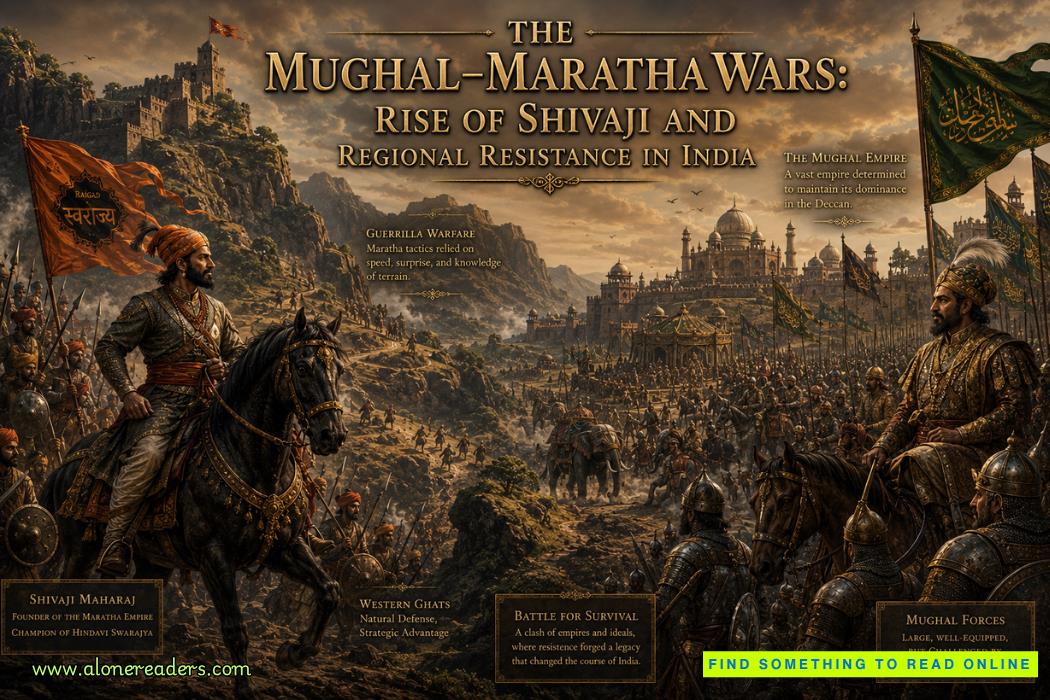
Aurangzeb’s Deccan campaigns also brought him into prolonged conflict with the rising Maratha power under Shivaji and his successors. The Marathas employed guerrilla tactics that proved difficult for the Mughal military to counter effectively. This constant state of warfare not only exhausted imperial resources but also destabilized regions that had previously been under firm control. The emperor’s insistence on maintaining a direct presence in the Deccan for decades further distanced him from the northern centers of power, weakening centralized oversight.
While his military ambitions defined much of his reign, Aurangzeb’s policies on religion marked a significant departure from the relatively inclusive approach of earlier Mughal rulers like Akbar. Aurangzeb viewed himself as a guardian of Islamic orthodoxy and sought to align governance with his interpretation of Islamic principles. His reimposition of the jizya tax on non-Muslims in 1679 symbolized this ideological shift, reversing the more tolerant policies that had previously encouraged cooperation between diverse religious communities. This decision, while rooted in religious conviction, had far-reaching political consequences. It alienated large segments of the population, including influential Hindu elites who had been integral to the Mughal administrative system.
Aurangzeb also enforced stricter regulations on public religious practices and ordered the destruction or conversion of certain temples, particularly in regions associated with political resistance. These actions have been widely debated by historians, with some interpreting them as strategic measures against rebellion rather than purely religious motivations. Nevertheless, the perception of intolerance contributed to growing discontent and resistance among various groups, including Rajputs, Sikhs, and Marathas. The execution of the Sikh Guru Tegh Bahadur during Aurangzeb’s reign further intensified tensions and had long-lasting implications for Sikh identity and resistance.
Despite his reputation for religious rigidity, Aurangzeb was also a pragmatic ruler in many respects. He continued to employ Hindus in high administrative positions and relied on their expertise in governance. However, the overall shift toward orthodoxy altered the delicate balance that had previously sustained Mughal stability. His policies reflected a vision of empire that prioritized moral discipline and religious conformity, even at the expense of political flexibility.
Aurangzeb’s administrative reforms were extensive and aimed at strengthening imperial control over a rapidly expanding territory. He sought to standardize revenue collection, improve bureaucratic efficiency, and enforce stricter oversight of provincial governors. The Mughal administrative system, based on the mansabdari structure, was further refined under his rule. Mansabdars, or rank-holders, were assigned responsibilities based on their rank and were expected to maintain a specified number of troops. Aurangzeb increased scrutiny over these officials to prevent corruption and ensure loyalty, but this also led to growing dissatisfaction among the nobility, who felt constrained by tighter regulations and reduced autonomy.
Revenue administration underwent significant changes as well. Aurangzeb emphasized accurate land measurement and assessment to maximize state income. However, the constant warfare and heavy taxation placed a burden on the agrarian economy. Peasants faced increased pressure, and in many regions, agricultural productivity declined due to instability and overexploitation. The gap between imperial demands and local realities widened, leading to frequent revolts and declining revenue efficiency over time.
Another notable aspect of Aurangzeb’s governance was his personal austerity. Unlike the opulence associated with earlier Mughal emperors, Aurangzeb lived a relatively simple life, reportedly earning money through calligraphy and Quran transcription to cover his personal expenses. This austerity extended to his court, where extravagant displays were discouraged. While this approach reflected his personal values, it also reduced the cultural patronage that had previously flourished under Mughal rule. The arts, architecture, and literature experienced a relative decline, as imperial resources were increasingly diverted toward military campaigns and administrative functions.
Aurangzeb’s legal reforms further illustrate his commitment to Islamic principles. He commissioned the compilation of the Fatawa-e-Alamgiri, a comprehensive digest of Islamic law intended to guide judicial decisions across the empire. This work became an important reference for legal matters and reflected his desire to institutionalize religious law within the administrative framework. However, the emphasis on religious jurisprudence sometimes conflicted with the diverse legal traditions of the empire’s population, creating challenges in governance and dispute resolution.
The long-term consequences of Aurangzeb’s policies are a subject of intense historical debate. On one hand, his reign represents the zenith of Mughal territorial power and administrative complexity. On the other hand, the very strategies that expanded the empire also contributed to its eventual fragmentation. The continuous military campaigns drained resources, while the emphasis on orthodoxy alienated key allies and weakened internal cohesion. By the time of his death in 1707, the empire was vast but increasingly fragile, facing mounting challenges from regional powers and internal dissent.
Aurangzeb’s legacy cannot be understood in simple terms of success or failure. He was a ruler of remarkable determination and discipline, capable of commanding one of the largest empires of his time. Yet his vision of governance, shaped by personal conviction and historical circumstances, introduced tensions that the Mughal state struggled to contain. His reign serves as a powerful example of how expansion, ideology, and administration intersect to shape the destiny of empires. The choices he made—whether in the battlefield, the court, or matters of faith—left an indelible mark on the history of the Indian subcontinent.
In examining Aurangzeb’s rule, it becomes clear that his policies were deeply interconnected. Military expansion required administrative innovation, which in turn was influenced by his ideological commitments. The resulting system was both formidable and fragile, capable of achieving remarkable feats but vulnerable to internal strain. The story of Aurangzeb is not just about a single ruler, but about the challenges of governing a diverse and expansive empire in a time of change. His reign invites reflection on the balance between power and tolerance, ambition and sustainability, and authority and adaptability—questions that remain relevant in the study of history and governance today.



 The Hundred Days Offensive: How the Allies Defeated Germany in World War I
 The Second Battle of the Marne: The Turning Point of World War I in 1918
 The Spring Offensive of 1918: Germany's Final Gamble to Win World War I
 The Treaty of Brest-Litovsk: How Russia Left World War I
 The Russian Revolution and World War I: How War Brought Down the Tsar
 The Zimmermann Telegram Explained: Germany's Secret Offer to Mexico in World War I










