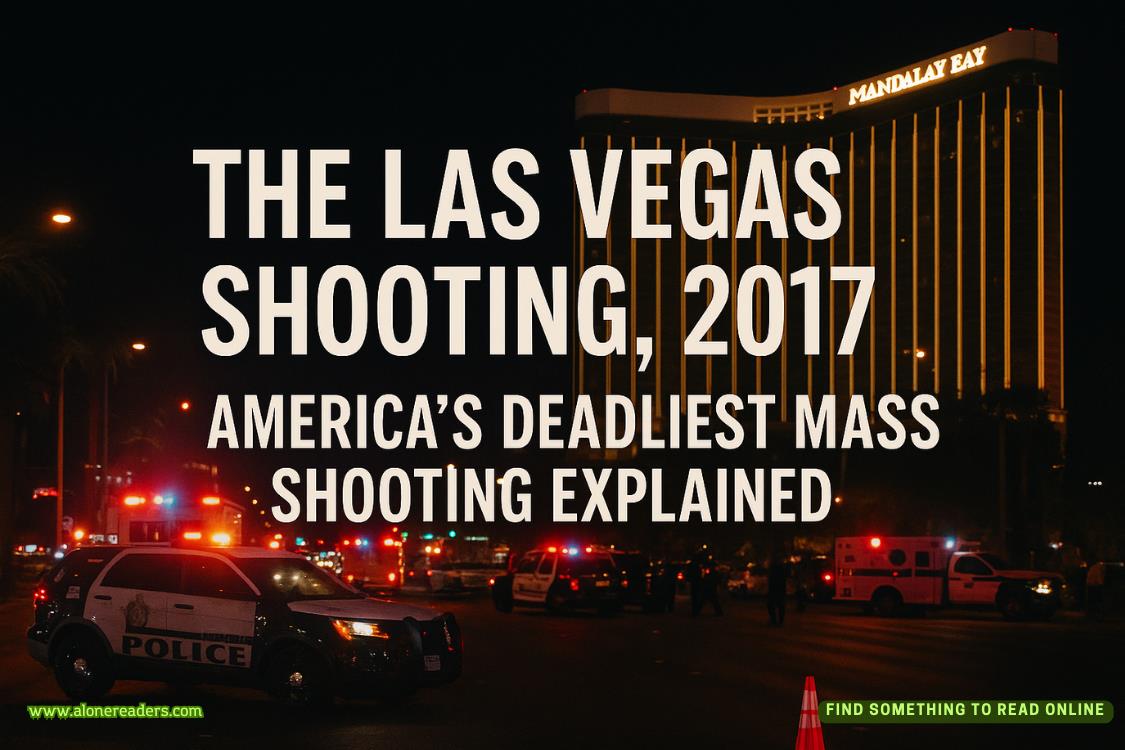
On the evening of October 1, 2017, the United States witnessed a tragedy that shook the nation to its core and became the deadliest mass shooting in modern American history. The incident unfolded in Las Vegas, Nevada, during the Route 91 Harvest music festival, a country music event attended by over 22,000 people. At 10:05 p.m., a barrage of gunfire erupted from the 32nd floor of the Mandalay Bay Resort and Casino, where the shooter, a 64-year-old man named Stephen Paddock, had meticulously prepared his arsenal of weapons. Within minutes, the joyful atmosphere of music and celebration turned into chaos, terror, and unimaginable horror.
Stephen Paddock, who had checked into the hotel days earlier, had spent hours smuggling an extensive stockpile of firearms and ammunition into his suite. Investigators later discovered that he had brought in 23 firearms, including several rifles modified with bump stocks, devices that allowed semi-automatic weapons to mimic the firing speed of fully automatic guns. From his vantage point, Paddock had a clear line of sight to the outdoor festival grounds across Las Vegas Boulevard. When he unleashed his attack, the initial bursts of gunfire caused confusion among concertgoers, many of whom mistook the sounds for fireworks before realizing they were under fire. Panic spread quickly as people tried to flee, hide, or protect their loved ones.
Over the course of 10 minutes, Paddock fired more than 1,000 rounds into the crowd. The sheer scale and rapid pace of the shooting overwhelmed victims and first responders alike. By the time the gunfire ceased, 58 people had been killed instantly, and more than 850 were injured, either from gunshot wounds or injuries sustained in the frantic attempt to escape. Several victims later died from their injuries, bringing the death toll to 60. The scene left behind was one of devastation, with belongings scattered across the festival grounds, medics working desperately to save lives, and survivors recounting the terror of those agonizing minutes.
Law enforcement officers quickly traced the source of the gunfire to the Mandalay Bay hotel. When SWAT teams stormed Paddock’s suite, they found him dead from a self-inflicted gunshot wound. His room bore evidence of extensive planning: cameras set up inside and outside the suite to monitor the hallway, stockpiles of ammunition, and rifles positioned on bipods. Investigators searched for clues about his motive, but to this day, the reasons behind the massacre remain unclear. The FBI’s lengthy investigation concluded that Paddock acted alone, but they could not determine a definitive motive. He left no manifesto, no clear political or ideological statement, and no direct communication explaining his actions, leaving families and the nation with haunting unanswered questions.
The aftermath of the Las Vegas shooting was marked by grief, resilience, and a nationwide debate about gun violence. Vigils were held across Nevada and the United States to honor the victims. The “Vegas Strong” movement became a symbol of solidarity, as communities came together to support survivors, families of the deceased, and first responders. Stories of heroism emerged, with strangers shielding each other from bullets, off-duty military personnel and police officers helping guide people to safety, and ordinary citizens turning their vehicles into makeshift ambulances to transport the wounded. Amid tragedy, these acts of courage underscored the strength of human compassion.
The event also reignited fierce discussions about gun control in the United States. Central to this debate was the use of bump stocks, the devices that enabled Paddock to fire at such devastating speeds. In response to public pressure, the federal government moved to ban bump stocks in 2018, making it illegal to possess or sell them. However, broader conversations about regulating semi-automatic rifles, expanding background checks, and addressing loopholes in firearms sales have remained highly divisive, with Congress unable to reach consensus on sweeping reforms. For many Americans, the Las Vegas massacre became a painful reminder of the urgent need for change, while for others, it represented the complexities of balancing Second Amendment rights with public safety.
In addition to legislative debates, the tragedy spurred improvements in emergency response and mass casualty preparedness. Hospitals in Las Vegas, particularly University Medical Center, faced an unprecedented influx of patients but managed to save countless lives through rapid coordination and tireless efforts of doctors, nurses, and support staff. Law enforcement agencies nationwide reviewed their protocols for responding to active shooter incidents, emphasizing the importance of communication, situational awareness, and rapid deployment of resources.
The survivors of the shooting and families of victims have carried the weight of trauma long after the headlines faded. Many have struggled with post-traumatic stress disorder, long-term physical injuries, and the emotional scars of that night. Lawsuits were filed against the hotel, its parent company MGM Resorts International, and concert organizers, questioning issues of security and liability. In 2020, MGM agreed to a settlement of up to $800 million to resolve claims related to the shooting, marking one of the largest such settlements in history for a mass shooting event.
The Las Vegas shooting also had a profound cultural impact. It reshaped the way large-scale events approach security, from music festivals to sporting events. Concert venues, hotels, and public gatherings have since increased measures such as bag checks, metal detectors, surveillance, and rapid response drills. While these measures cannot eliminate the risk entirely, they represent attempts to prevent such large-scale loss of life from happening again.
Today, the memory of October 1, 2017, remains a painful chapter in America’s history. At the site of the tragedy, a memorial garden and other remembrance projects have been created to honor the victims. Families continue to share their loved ones’ stories, ensuring that they are remembered not for the way their lives ended, but for the lives they lived. The “Vegas Strong Resiliency Center” continues to provide support for survivors and families, offering counseling, legal assistance, and community programs to help them heal.
The Las Vegas shooting stands as a stark reminder of the devastating potential of mass violence and the fragility of life in moments meant for joy and celebration. It has left enduring lessons about preparedness, compassion, and the necessity of addressing gun violence in meaningful ways. While the motives of Stephen Paddock may never be fully understood, the impact of his actions is felt deeply to this day. For America, the tragedy remains both a wound and a call to action, urging the nation to confront the realities of mass shootings while honoring the resilience of those who endured the worst night in Las Vegas history.



 Top 10 Highest-Paid Professions in the United States (2025): Salaries, Roles, and Career Paths
 Top 10 Largest U.S. Companies by Revenue in 2025 (Fortune 500 Analysis)
 Top 10 Highest-Earning Global Tech Companies in 2025: Revenue, Strategy, and Market Power
 Top 10 Highest-Earning Mobile Apps in 2025: Revenue, Monetization, and Market Dominance
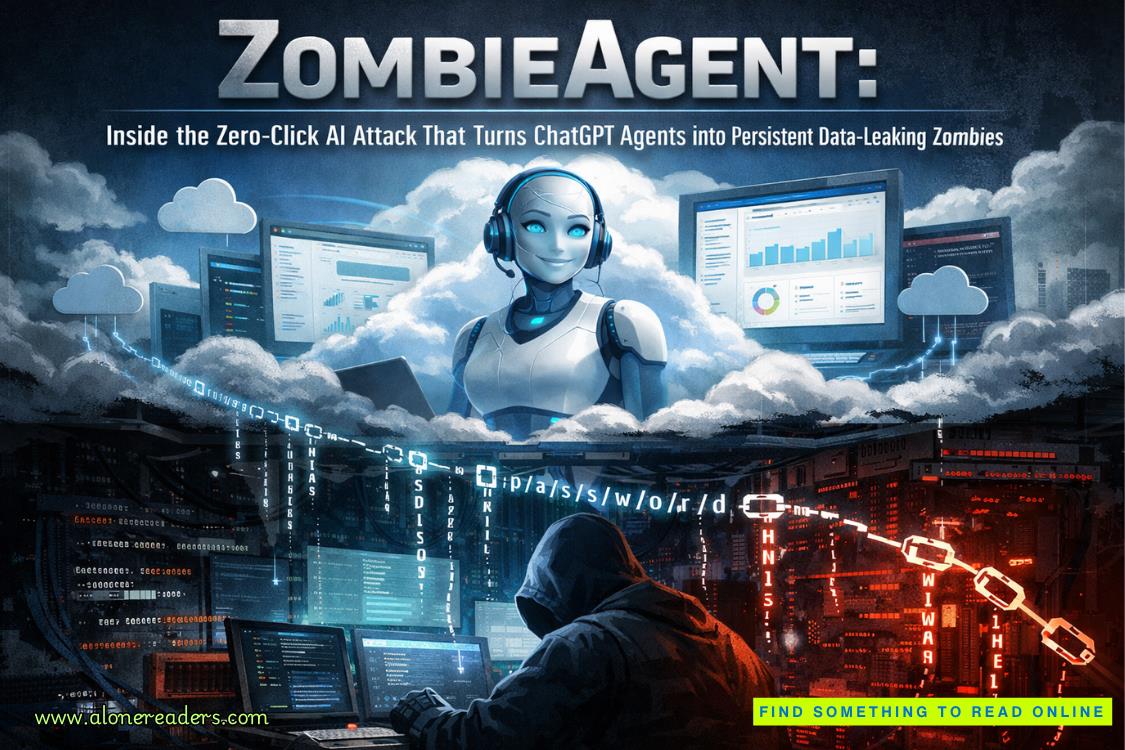 ZombieAgent: Inside the Zero-Click AI Attack That Turns ChatGPT Agents into Persistent Data-Leaking Zombies
 China’s Urban Air Is a Hidden Plastic Reservoir: Inside the Microplastic Clouds Over Megacities










