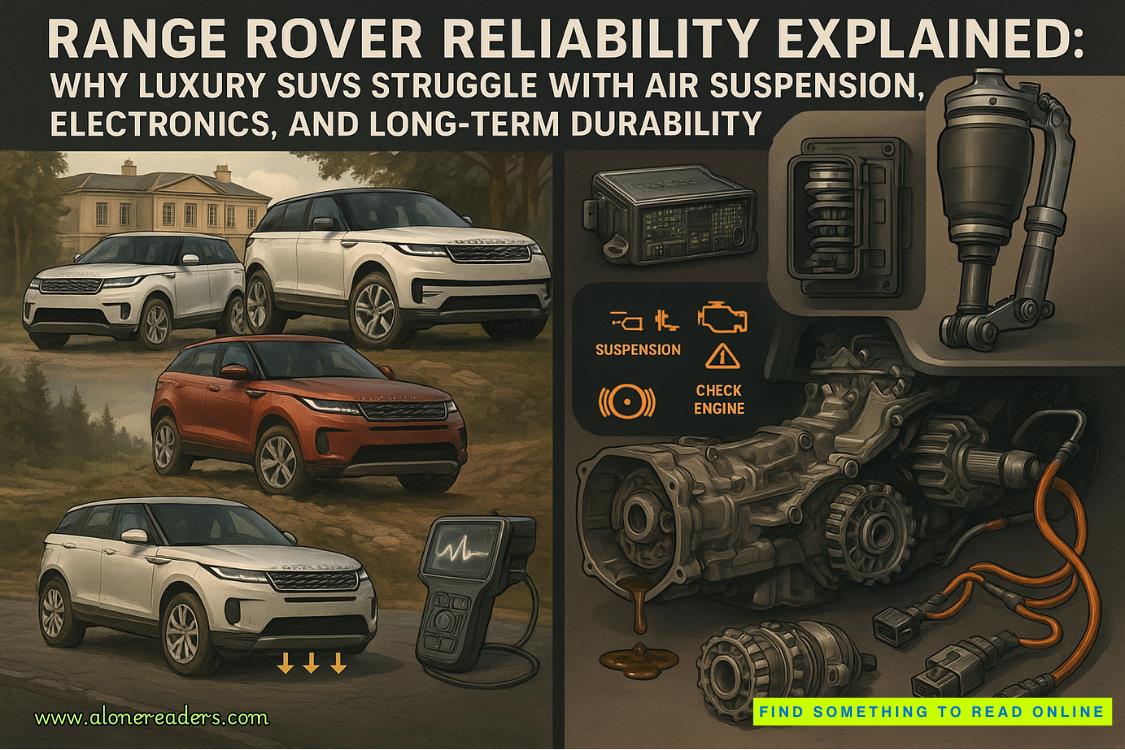
Range Rover occupies a unique position in the global SUV market. Few brands blend off-road capability, luxury craftsmanship, and brand prestige as convincingly. Yet alongside this reputation runs a persistent and well-documented counter-narrative: long-term reliability problems that appear across multiple generations and model lines. These issues are not isolated defects or owner neglect stories. Instead, they form recognizable patterns tied closely to engineering choices, system complexity, and real-world usage conditions.
Across Evoque, Velar, Range Rover Sport, and full-size Range Rover models, owners and technicians repeatedly encounter failures clustered around air suspension systems, electrical and electronic architecture, engine oil and emissions components, transmissions, and body hardware. While many vehicles run trouble-free for years, failure rates remain high enough that reliability scores consistently trail those of key luxury SUV rivals.
One of the most defining problem areas is the air suspension system, a core feature that delivers Range Rover’s signature ride quality and off-road adaptability. Over time, rubber air springs harden and crack, particularly in climates with temperature extremes or road salt exposure. Even minor leaks force the compressor to cycle more frequently, accelerating wear and eventual failure. As compressors weaken, the system struggles to maintain pressure, resulting in vehicles that sit low overnight, lean to one side, or trigger persistent suspension fault warnings. Valve block contamination and faulty height sensors further complicate diagnosis, often leading to costly parts replacement rather than targeted repairs. The technical irony is that the system performs exceptionally well when new, but marginal durability margins mean ageing components fail in a cascading manner.
Electrical and electronic faults form the second major reliability pillar. Modern Range Rovers rely on dense networks of electronic control units communicating over complex CAN-bus architectures. This design allows extraordinary levels of comfort, safety, and customization, but it also introduces vulnerability. Battery drain complaints are common, frequently traced to parasitic draws from modules that fail to enter sleep mode. Weak batteries or alternators amplify the issue, triggering a domino effect of warning lights, non-functional cameras, frozen infotainment screens, seat and window malfunctions, and intermittent instrument clusters. Corroded connectors, poor grounding points, and moisture intrusion exacerbate these faults. What frustrates owners most is not just failure, but intermittency, where problems disappear during diagnostics only to return days later.
Engine-related problems tend to be less catastrophic in frequency but more severe in consequence. Oil leaks from rocker covers, oil cooler assemblies, turbo feed lines, and seals are frequently reported, especially as vehicles age past warranty. Tight engine bay packaging traps heat, accelerating gasket hardening and seal degradation. Certain petrol engines have shown timing-related vulnerabilities, while diesels are particularly susceptible to diesel particulate filter clogging when used predominantly for short urban trips. Modern emissions systems assume regular high-temperature operation, and when this assumption fails, carbon buildup and restricted exhaust flow follow. Left unaddressed, these issues escalate into turbo damage, EGR failure, or reduced engine performance that can no longer be resolved through software regeneration alone.
Transmission and driveline complaints add another expensive layer. Despite manufacturer claims of “sealed for life” gearboxes, real-world experience suggests that fluid degradation remains a significant contributor to harsh shifts, delayed engagement, and gearbox warning messages. Transfer case shudder and differential noises often emerge at higher mileage, particularly on vehicles used for towing or off-road driving. Drivetrain wind-up caused by mismatched tyre wear is another underappreciated factor, placing unnecessary strain on differentials and transfer cases. Repairs in this category are among the most costly, as access is labor-intensive and component replacement often requires specialist calibration.
Beyond mechanical systems, body hardware and water management issues quietly erode ownership satisfaction. Panoramic sunroof drains clog over time, leading to water ingress that damages headliners, wiring looms, and control modules hidden beneath carpets. Door seals and tailgate mechanisms are prone to wear, particularly on vehicles exposed to frequent dust, sand, or coastal environments. Interior trim rattles develop as the heavy body structure flexes over years of use, and in some climates, early rust spots appear where paint protection proves insufficient for local conditions. These problems rarely immobilize a vehicle but steadily undermine the perception of luxury.
Model-specific patterns further reinforce the systemic nature of these challenges. The Range Rover Evoque (2011–2019) frequently exhibits issues related to engine electrics, suspension components, exhaust systems, and interior trim. Its compact design packs high equipment density into a small space, increasing heat and vibration loads on sensors and wiring. A notable proportion of Evoques spend extended periods off the road for repairs, often exceeding a week per incident.
The Range Rover Velar (2017–present) pushes design innovation even further, and with it, risk. Flush door handles, advanced LED lighting, and minimalist interior electronics depend on precise calibration and flawless sealing. Bodywork defects, interior trim failures, engine faults, and non-engine electrical issues appear with troubling regularity. When systems fail, diagnosis and recalibration can be time-consuming, explaining why many Velars experience prolonged workshop stays.
For Range Rover and Range Rover Sport models from 2013 to 2022, the combination of heavy vehicle weight, powerful engines, and sophisticated chassis systems magnifies even minor component weaknesses. Reports commonly cite air suspension failures, intermittent instrument clusters, indicator malfunctions, and occasional fuel rail leaks. In such vehicles, small inconsistencies in solder joints, fuel system brazing, or control module logic produce outsized operational consequences.
At the root of these recurring problems lies engineering complexity. Range Rovers are not simply vehicles; they are rolling ecosystems of interdependent systems. A single faulty sensor or grounding issue can propagate errors across multiple subsystems, creating symptoms that appear unrelated on the surface. This complexity demands rigorous maintenance discipline, yet long service intervals and deferred fluid changes increase exposure to wear-related failures.
Usage patterns further intensify stress. Many Range Rovers tow heavy loads, operate off-road, or endure harsh environmental conditions. Suspension bushings, cooling systems, electronics, and driveline components all experience loads beyond those faced by urban-focused luxury SUVs. When combined with ageing materials and tight packaging, tolerance margins shrink rapidly.
Software also plays a critical role. Over-the-air updates and dealer flashes can resolve certain glitches, but delayed updates allow small bugs to become entrenched faults. As vehicles age, compatibility between older hardware revisions and newer software logic becomes increasingly fragile, creating new failure vectors even after mechanical repairs.
Ultimately, Range Rover reliability issues are not the result of careless engineering, but of ambitious design choices that prioritize capability and luxury over long-term simplicity. The vehicles deliver exceptional performance and comfort when systems operate within design parameters. However, those parameters leave little room for ageing, deferred maintenance, or imperfect operating conditions.
For prospective buyers and current owners, the lesson is not avoidance, but awareness. These SUVs demand proactive care, conservative service intervals, and a realistic understanding of long-term ownership costs. When treated as complex luxury machines rather than appliances, Range Rovers can remain deeply rewarding. When expectations do not align with engineering reality, the result is frustration, expense, and a reliability reputation that continues to shadow one of the most iconic names in automotive history.



 Top 10 Affordable Electric Cars for 2026: Best Budget EVs Worldwide
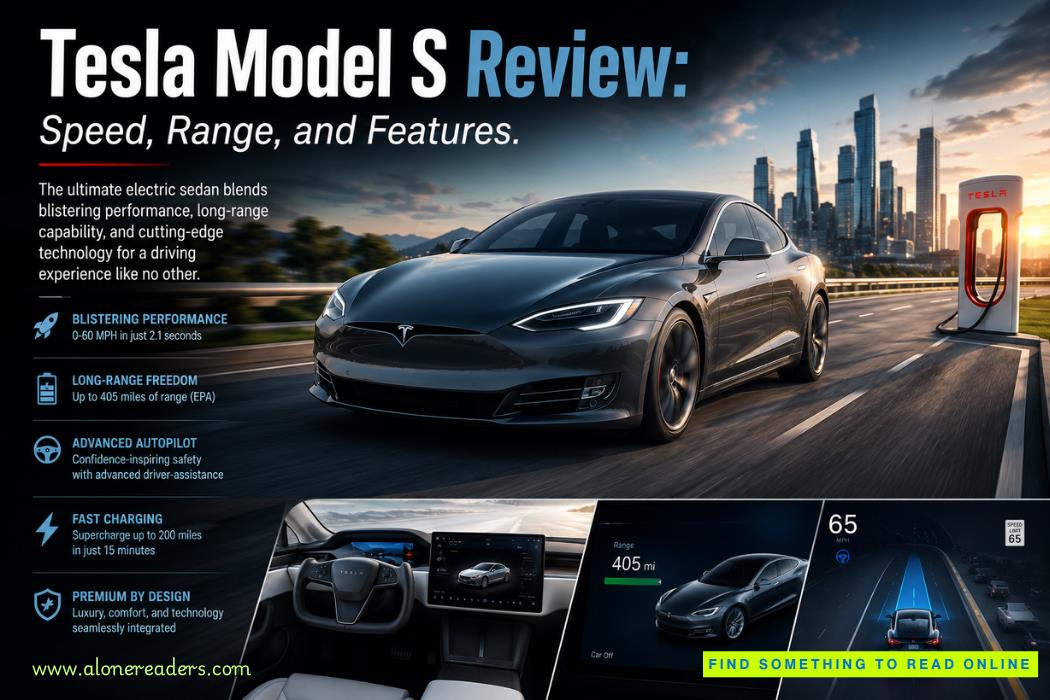 Tesla Model S Review: Speed, Range, and Features in 2026
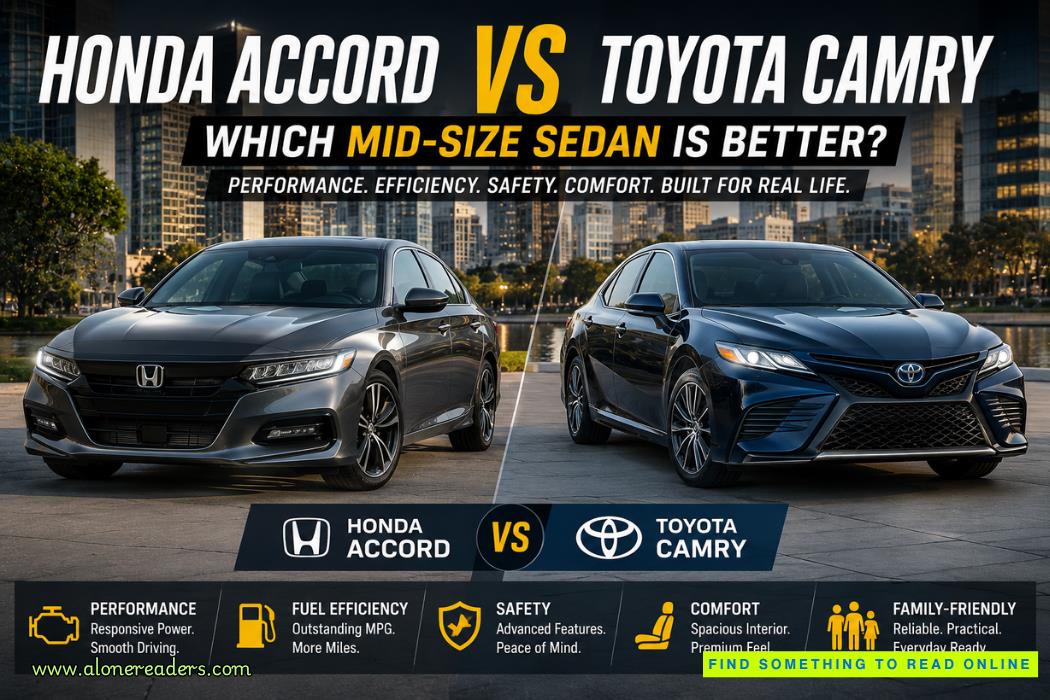 Honda Accord vs Toyota Camry: Which Mid-Size Sedan Is Better?
 Chevrolet Silverado vs GMC Sierra: Which Truck Wins?
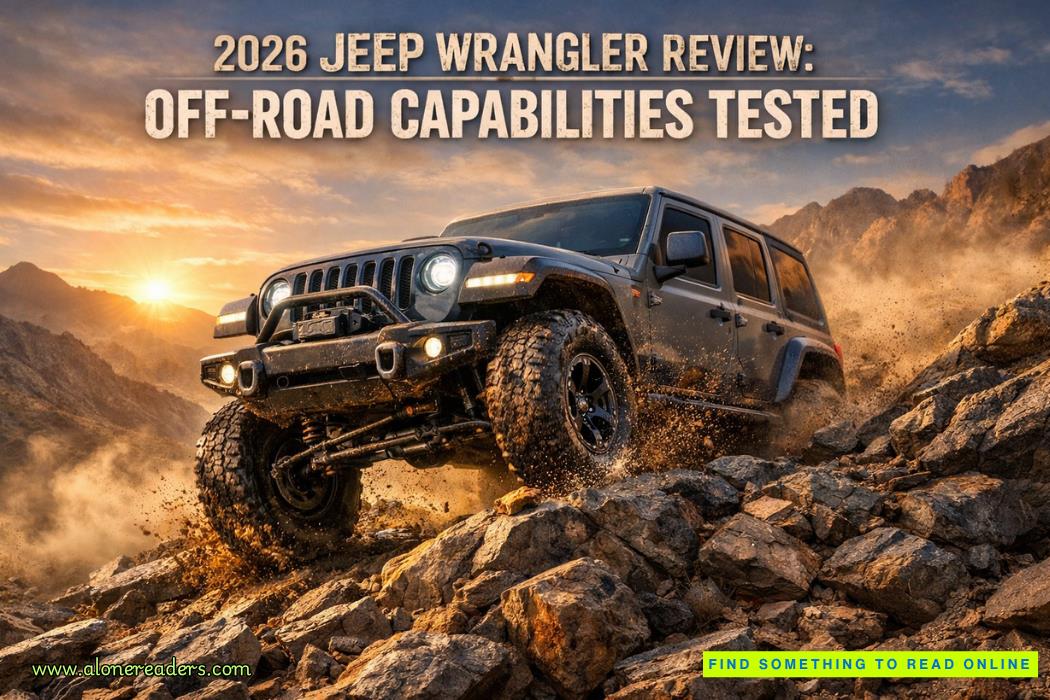 2026 Jeep Wrangler Review: Off-Road Capabilities Tested in Extreme Terrain
 2026 Nissan Altima Review: Tech, Comfort, and Safety – In-Depth Expert Analysis










