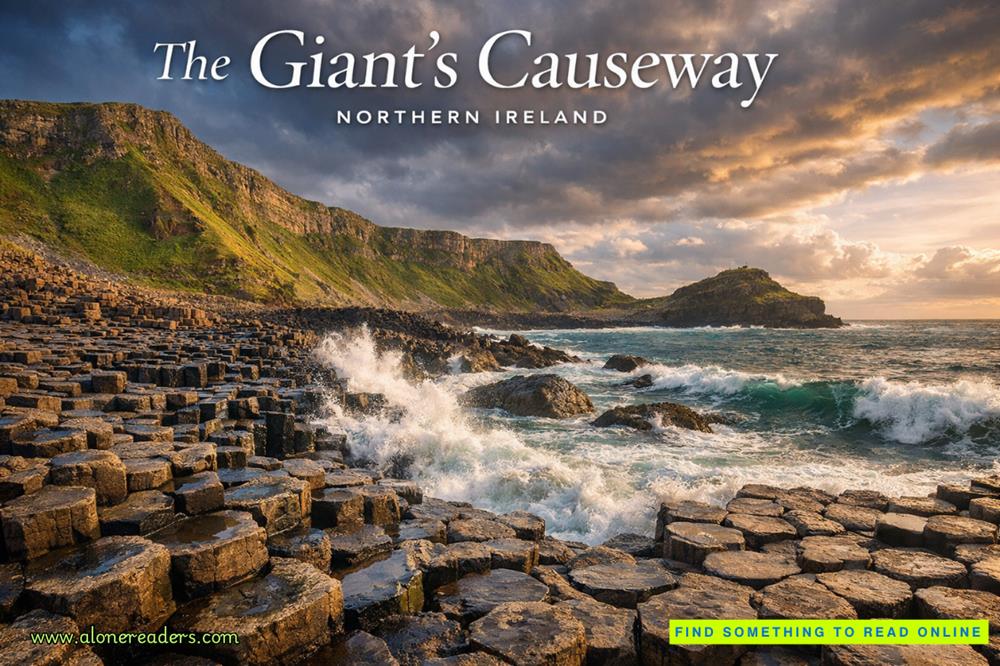
Located on the rugged north coast of Northern Ireland, the Giant’s Causeway is one of Europe’s most extraordinary natural landscapes. Recognized as a UNESCO World Heritage Site, this geological phenomenon is famous for its 40,000 interlocking basalt columns, formed millions of years ago by volcanic activity. Rising from the Atlantic Ocean like a vast stone staircase, the site combines dramatic coastal scenery, ancient myths, and scientific intrigue, making it one of the most visited natural attractions in the United Kingdom.
Beyond its geological importance, the Giant’s Causeway holds a powerful place in Irish folklore. Legend claims that the columns were built by the giant Finn McCool as a pathway to Scotland, giving the site a mythological dimension that continues to captivate visitors. Today, the Causeway stands as a perfect blend of natural science, history, and cultural storytelling, attracting travelers, photographers, hikers, and geology enthusiasts from around the world.
The defining feature of the Giant’s Causeway is its polygonal basalt columns, most of which are hexagonal in shape, though some have four, five, seven, or even eight sides. These columns were created around 60 million years ago when molten lava cooled rapidly, cracking into geometric forms.
Key visual highlights include:
The contrast between the dark stone, green cliffs, and the constantly shifting Atlantic light gives the area a raw, cinematic beauty that changes with the weather and seasons.
Giant’s Causeway Visitor Centre
The award-winning Giant’s Causeway Visitor Centre provides interactive exhibits explaining both the scientific origins and legendary stories of the site. It includes educational displays, a café, gift shop, and panoramic views of the coastline.
Coastal Walking Trails
Several marked trails surround the Causeway, offering different perspectives and difficulty levels:
Photography and Sightseeing
Sunrise and sunset are particularly striking, with shifting shadows emphasizing the geometric shapes of the stones. Wildlife sightings, seabirds, and dramatic weather patterns add to the experience.
From Belfast
By Public Transport
Guided Tours
Day tours from Belfast include stops along the Causeway Coast, Carrick-a-Rede Rope Bridge, and Dunluce Castle.
Estimated cost: £40–£70 per person
Budget Accommodations
Mid-Range Hotels
Luxury Stays
Bushmills is the most convenient base, located just minutes from the Causeway and home to the famous Bushmills Distillery.
Local Cuisine
Northern Ireland’s north coast is known for fresh seafood and traditional Irish dishes. Common options include:
Dining Costs
The Visitor Centre café offers light meals and refreshments with scenic views, while Bushmills and Portrush provide wider dining choices.
Total estimated cost: £155–£320
The site is well-managed and safe, but natural terrain requires caution.
The Giant’s Causeway is more than a scenic landmark—it is a rare geological masterpiece shaped by ancient forces and enriched by legend. Its dramatic basalt formations, powerful coastal setting, and accessibility make it an essential destination for anyone exploring Northern Ireland. Whether approached through science, history, or natural beauty, the Causeway remains one of Europe’s most compelling and unforgettable landscapes.



 Unique Australian Wildlife and Where to Find Them: A Complete Travel Guide
 Island Hopping in the Philippines: Ultimate Travel Guide to Paradise Adventures
 Hong Kong Skyline: Best Spots for Stunning Panoramic Views
 The Enchanting Lijiang: A Complete Guide to Its Ancient Alleys, Culture, and Travel Costs
 San Diego: The Ultimate Family Vacation Destination (Beaches, Wildlife, and Budget-Smart Fun)
 Unveiling the Mysteries of the Kazan Kremlin: A Complete Travel Guide to Russia’s Historic Gem










