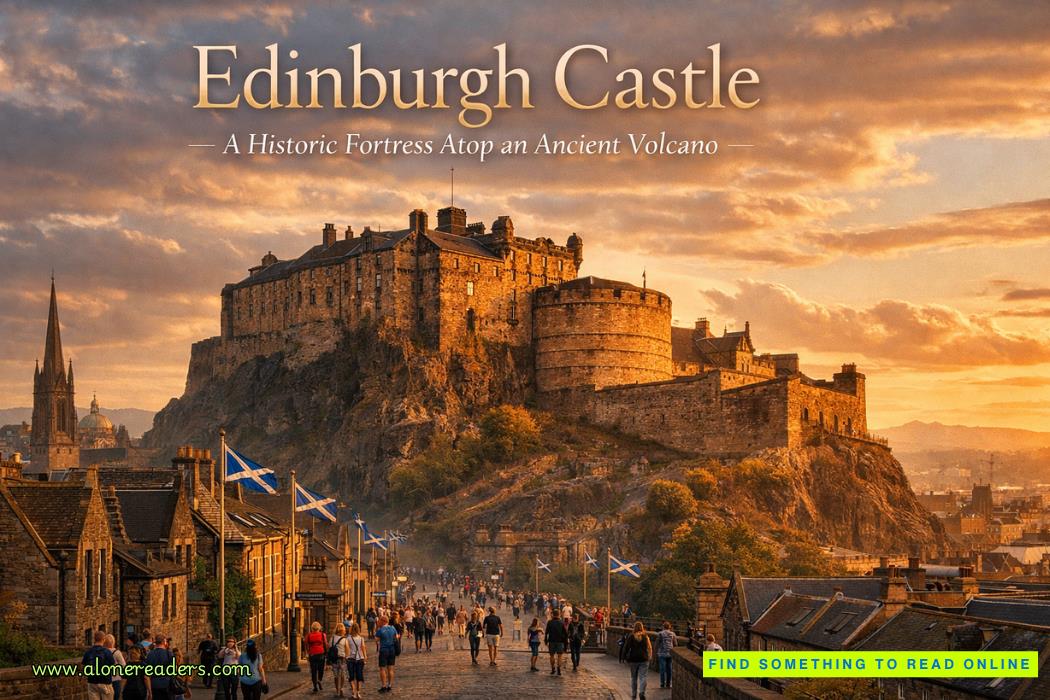
Perched high above Scotland’s capital, Edinburgh Castle stands as one of the most iconic landmarks in Europe. Rising from Castle Rock, an ancient volcanic plug formed over 340 million years ago, the fortress dominates the skyline of Edinburgh and serves as both a military stronghold and a national symbol of Scottish identity.
Few castles in the world combine such dramatic geology with centuries of layered history. From medieval sieges to royal coronations, from military barracks to crown jewels, Edinburgh Castle is not simply a tourist attraction—it is a living chronicle of Scotland’s turbulent past.
Castle Rock is the hardened core of an extinct volcano. Its steep cliffs on three sides made it nearly impregnable, which is why people settled here as early as the Iron Age. The only accessible approach is from the east, which later became the historic Royal Mile.
The natural elevation provides sweeping panoramic views across the city—from the Old Town’s medieval alleys to the modern Georgian architecture of New Town. On a clear day, you can even see as far as the Firth of Forth.
This geological foundation is what gives Edinburgh Castle its commanding presence and strategic military advantage throughout history.
Early Origins
Archaeological evidence suggests human occupation dating back at least to the 2nd century AD. By the 12th century, the castle had become a royal residence under King David I.
Medieval Stronghold
The castle was central during the Wars of Scottish Independence, frequently changing hands between Scottish and English forces. It was one of the most besieged places in Great Britain.
Royal Residence and Regalia
Inside the castle lies the Honours of Scotland (the Scottish Crown Jewels), among the oldest in Europe. The Stone of Destiny, used in the coronation of Scottish monarchs, is also housed here.
Military Fortress
From the 17th century onward, the castle evolved into a major military garrison. Even today, it serves ceremonial military functions.
The Honours of Scotland
The Crown, Sceptre, and Sword of State are displayed in a secure chamber. These priceless artifacts symbolize Scotland’s monarchy.
The Stone of Destiny
A sacred symbol of Scottish sovereignty used in coronation ceremonies.
St Margaret’s Chapel
The oldest surviving building in Edinburgh, dating from the 12th century. Small yet deeply atmospheric.
Mons Meg
A massive 15th-century siege cannon that once symbolized medieval military power.
National War Museum
Showcasing Scotland’s military heritage through uniforms, weapons, and personal accounts.
Every day except Sunday, Good Friday, and Christmas Day, a cannon is fired at precisely 1:00 PM. Originally used as a time signal for ships in the Firth of Forth, it remains one of the most popular daily rituals for visitors.
Arrive at least 20–30 minutes early for a good viewing position.
From Edinburgh Airport
From Princes Street, it’s about a 10–15 minute uphill walk to the castle entrance via the Royal Mile.
From Waverley Station
By Car
Driving is not recommended. Parking near the castle is limited and expensive. Use city park-and-ride facilities instead.
Booking online in advance is strongly recommended, especially in summer (June–August).
Avoid midday in peak summer if possible—arrive early morning for a quieter experience.
Luxury
The Balmoral Hotel
Estimated: £350–£600 per night
Mid-Range
Radisson Blu Hotel, Edinburgh City Centre
Estimated: £150–£250 per night
Budget
Guesthouses and budget hotels in Old Town
Estimated: £70–£120 per night
Booking early is essential during festival season (August), when prices can double.
Traditional Scottish Dishes
Casual Dining
Whisky Tasting
Expect to pay £20–£40 for guided tastings.
Restaurants along the Royal Mile tend to be slightly more expensive due to tourist demand.
Budget Traveler:
£80–£120 per day (hostel, public transport, casual dining)
Mid-Range Traveler:
£150–£250 per day (3-star hotel, restaurants, entry tickets)
Luxury Traveler:
£400+ per day
A full day in the Old Town can easily be planned around the castle visit.
Edinburgh Castle is not simply a preserved medieval structure; it is a strategic fortress, royal treasury, national monument, and geological marvel combined into one breathtaking site. Its position atop an ancient volcano gives it an almost mythic presence—an image instantly recognizable worldwide.
Whether you are a history enthusiast, architecture admirer, or casual traveler, the experience of standing on Castle Rock and overlooking Scotland’s capital is unforgettable.
A visit here is not just sightseeing—it is stepping directly into the heart of Scotland’s story.




 Unique Australian Wildlife and Where to Find Them: A Complete Travel Guide
 Island Hopping in the Philippines: Ultimate Travel Guide to Paradise Adventures
 Hong Kong Skyline: Best Spots for Stunning Panoramic Views
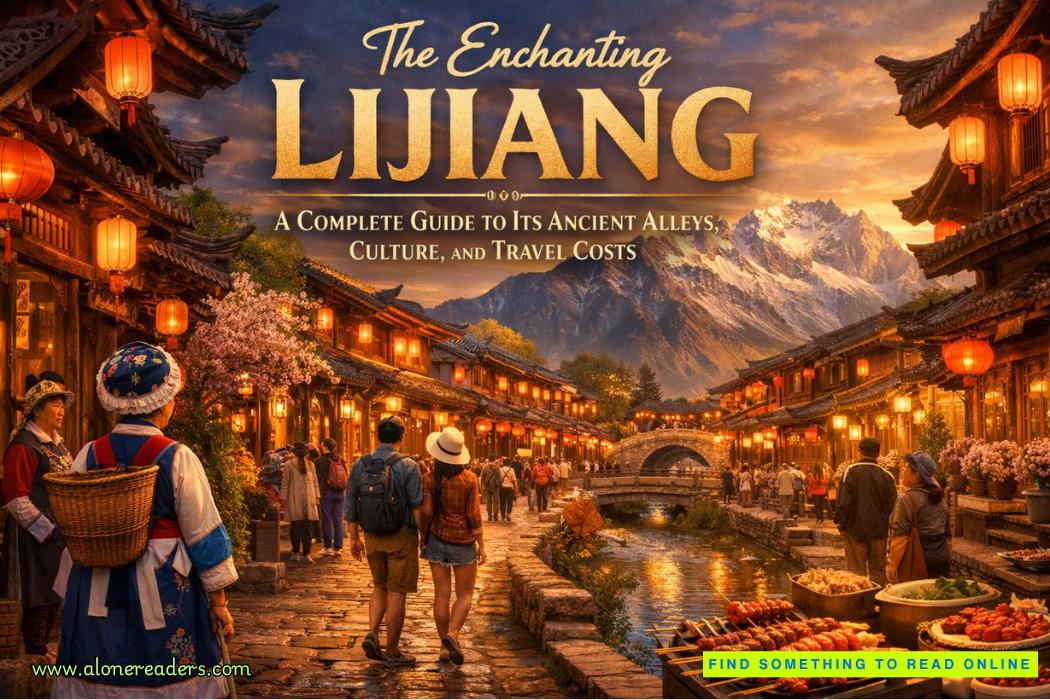 The Enchanting Lijiang: A Complete Guide to Its Ancient Alleys, Culture, and Travel Costs
 San Diego: The Ultimate Family Vacation Destination (Beaches, Wildlife, and Budget-Smart Fun)
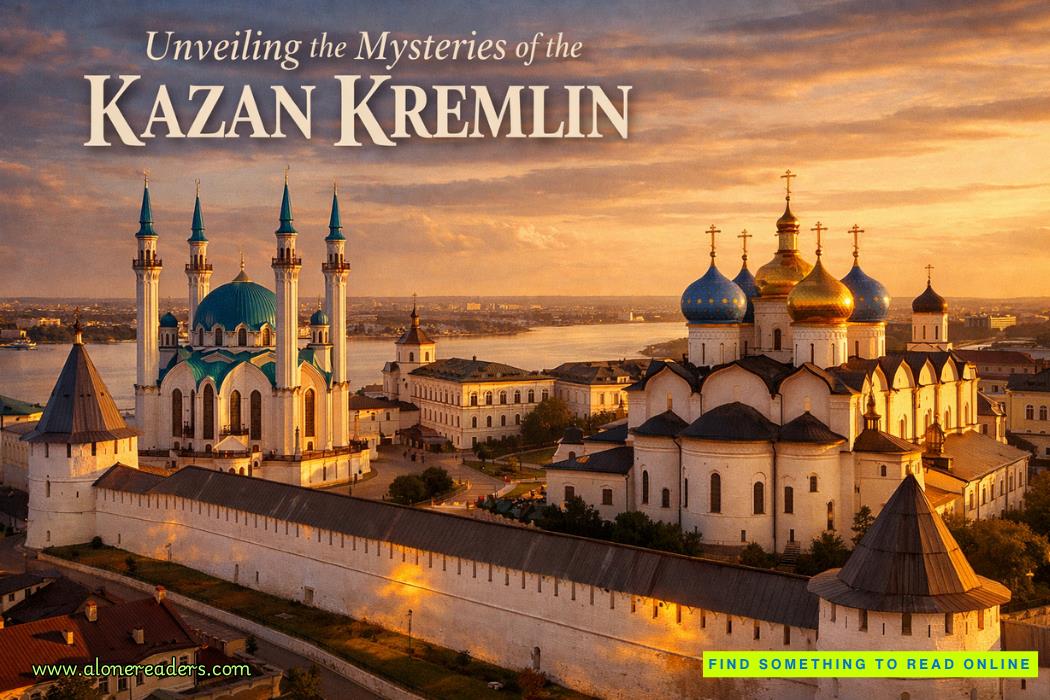 Unveiling the Mysteries of the Kazan Kremlin: A Complete Travel Guide to Russia’s Historic Gem










