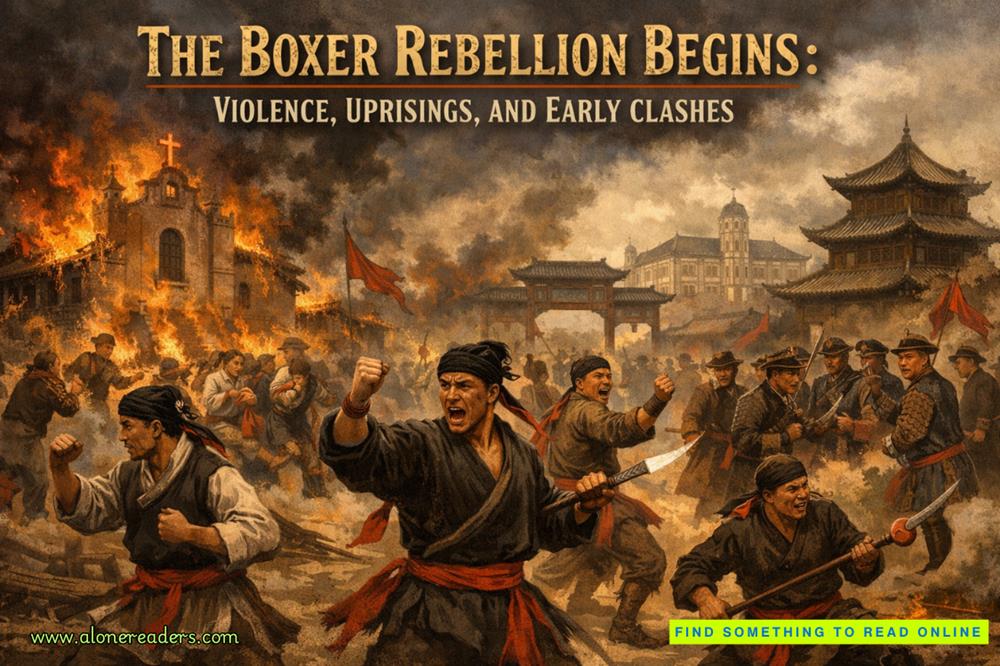
The Boxer Rebellion did not erupt suddenly as a single, coordinated insurrection but emerged from a long-simmering landscape of resentment, fear, humiliation, and spiritual desperation that gripped northern China in the final years of the nineteenth century. Its beginnings were messy, fragmented, and deeply rooted in local violence rather than grand political strategy. What would later become one of the most internationally consequential uprisings in Chinese history started in rural villages, market towns, and drought-stricken plains, where ordinary people increasingly believed that their world was being dismantled by foreign powers, Christian missionaries, and a weakened imperial state incapable of protecting them.
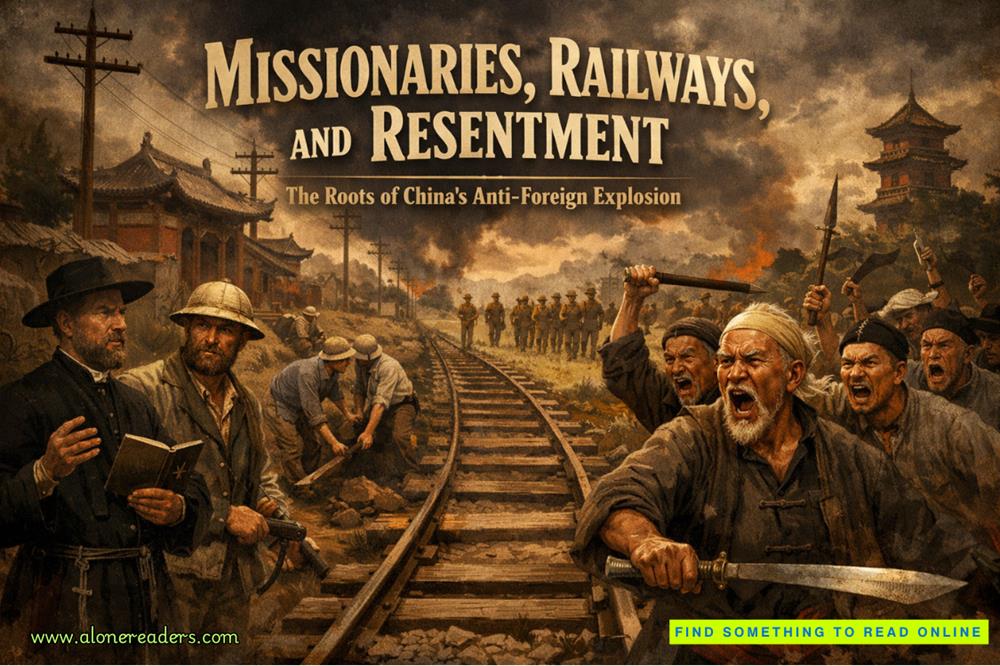
Northern China in the 1890s was a region under profound strain. Repeated natural disasters, including devastating floods of the Yellow River and prolonged droughts in Shandong and Zhili provinces, had shattered agricultural stability. Crop failures pushed peasants into famine, banditry, and religious militancy. As livelihoods collapsed, foreign railways, telegraph lines, and mission compounds became powerful symbols of intrusion, blamed not only for economic disruption but also for angering local spirits and upsetting cosmic harmony. Rumors spread that railways drained the land’s vitality, that church bells frightened ancestral spirits, and that missionaries kidnapped children or used body parts for dark rituals. In this volatile atmosphere, superstition and suffering merged into a combustible ideology.
The movement that would later be labeled the “Boxers” referred to itself as the Righteous and Harmonious Fists, a name that captured both their moral self-image and their reliance on martial arts rituals believed to grant supernatural protection. Early Boxer groups were not unified rebels but loosely organized village militias, secret societies, and martial cults. Their training combined physical combat with spirit possession ceremonies, incantations, and trance-like performances. Participants believed they could become invulnerable to bullets and blades, a belief that gave them courage but also led to catastrophic losses in early clashes.
Violence began locally and unevenly. In Shandong, tensions escalated as Boxers attacked Chinese Christian converts, whom they viewed as traitors protected by foreign powers. These converts often lived under missionary legal protection, bypassing traditional village authority and Qing courts, which further inflamed resentment. Churches were burned, converts beaten or killed, and mission property destroyed. The early violence was intimate and brutal, frequently involving neighbors turning on one another. The rebellion’s first blood was Chinese blood, not foreign, underscoring how deeply fractured local society had become.
Foreign missionaries, long accustomed to operating under unequal treaties, underestimated the danger. Many dismissed the Boxers as superstitious thugs who could be dispersed by imperial troops. Instead, attacks intensified. Mission stations were besieged, clergy murdered, and converts massacred in growing numbers. Each incident hardened attitudes on all sides. Foreign governments demanded protection and retribution, while Qing officials faced impossible choices between suppressing popular anger or resisting foreign pressure. Imperial authority wavered, and this hesitation proved decisive.
As Boxer bands multiplied, early clashes with Qing troops revealed the movement’s contradictory nature. Some officials viewed the Boxers as criminals and attempted suppression, leading to violent confrontations. Boxer fighters, armed mostly with swords, spears, and farm tools, charged modern rifles and artillery with terrifying zeal. Casualties were severe, yet defeats did not extinguish the movement. Instead, martyrdom reinforced belief in spiritual protection and fed narratives of righteous sacrifice. Each fallen fighter became proof not of weakness, but of foreign treachery and cosmic injustice.
At the same time, other Qing officials quietly tolerated or even encouraged Boxer activity, seeing it as a useful counterweight to foreign dominance. This inconsistency created a dangerous ambiguity. Boxers began to believe that the dynasty might be on their side, interpreting symbolic gestures and local alliances as imperial approval. The line between rebellion and loyalist resistance blurred. Violence escalated as Boxers grew bolder, targeting railways, telegraph poles, and foreign businesses—symbols of a modernity imposed without consent.
The earliest foreign casualties marked a turning point. When missionaries and foreign engineers were killed, international outrage surged. Diplomatic pressure intensified, and foreign legations demanded stronger action. Yet each intervention seemed only to validate Boxer claims that China was under siege by hostile outsiders. Violence fed ideology, and ideology fed violence, creating a self-reinforcing cycle that spread the uprising beyond its rural origins.
Urban centers soon felt the shockwaves. Refugees flooded into cities with stories of massacres and burned villages. Panic spread among both Chinese Christians and foreign residents. Rumors traveled faster than facts, magnifying fear. Boxer slogans, wall posters, and chants transformed localized grievances into a broader narrative of national humiliation and spiritual warfare. The rebellion was no longer merely about villages or missions; it had become a struggle over China’s survival, identity, and sovereignty.
Early clashes also exposed the tragic asymmetry of power. Boxer fighters faced modern armies with outdated weapons and mystical faith. Their courage was undeniable, but their losses were staggering. Yet these defeats did not discourage recruitment. Instead, they reinforced apocalyptic expectations. Many Boxers believed that ultimate victory would come through divine intervention rather than conventional warfare. This mindset made compromise impossible and ensured that early violence would spiral into full-scale catastrophe.
By the time the rebellion reached the outskirts of Beijing, its origins in rural desperation were almost obscured by its momentum. What began as scattered acts of violence rooted in famine, fear, and cultural disruption had evolved into a mass uprising challenging both the Qing state and the global imperial order. The early clashes—chaotic, uneven, and deeply personal—set the tone for everything that followed. They hardened positions, erased middle ground, and transformed grievances into open war.
The Boxer Rebellion’s beginning was not a clean break from the past but the violent culmination of decades of erosion—of trust, authority, and cultural confidence. Its earliest bloodshed revealed a society cracking under pressure, where ordinary people turned to fists, faith, and fury when institutions failed them. Understanding these beginnings is essential, because the rebellion’s later horrors were already encoded in its first acts of violence, when fear overcame restraint and belief eclipsed reality.



 The Hundred Days Offensive: How the Allies Defeated Germany in World War I
 The Second Battle of the Marne: The Turning Point of World War I in 1918
 The Spring Offensive of 1918: Germany's Final Gamble to Win World War I
 The Treaty of Brest-Litovsk: How Russia Left World War I
 The Russian Revolution and World War I: How War Brought Down the Tsar
 The Zimmermann Telegram Explained: Germany's Secret Offer to Mexico in World War I










