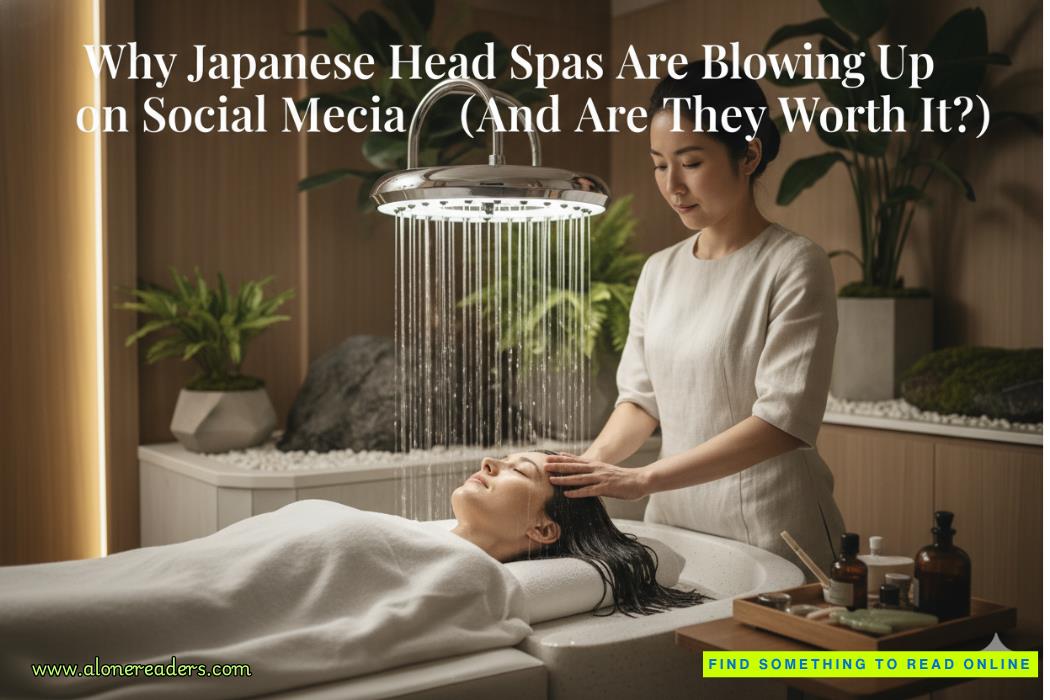
Scroll through TikTok or Instagram for even a few minutes, and chances are you’ll come across hypnotic videos of water cascading over someone’s scalp while a therapist performs slow, rhythmic massages. These are Japanese head spas—one of the fastest-growing wellness trends online right now.
But this isn’t just another fleeting beauty fad. The rise of Japanese head spas reflects a deeper shift in how people approach self-care, scalp health, and sensory relaxation. What looks like a simple scalp massage is actually a multi-step therapeutic ritual rooted in Japanese wellness philosophy.
So what exactly is happening in these viral videos—and more importantly, are Japanese head spas actually worth your time and money?
A Japanese head spa is not just a scalp massage—it’s a structured treatment that blends trichology (the science of hair and scalp health), aromatherapy, and deeply relaxing massage techniques.
Unlike typical salon hair washes, these sessions are intentional and diagnostic. A trained specialist often begins by analyzing your scalp condition using magnification tools. This allows them to identify issues like oil buildup, dryness, clogged follicles, or even early signs of hair thinning.
The treatment usually includes:
The entire experience is designed to be both therapeutic and sensory—almost like meditation, but with physical benefits.
Japanese head spas are practically engineered for virality. The visual and sensory elements make them incredibly satisfying to watch.
The ASMR Factor
The sound of water flowing, combined with gentle hand movements, taps into ASMR triggers. These videos create a calming effect even through a screen, making viewers linger longer—boosting algorithm performance.
Aesthetic Minimalism
The treatment rooms are often designed with Japanese minimalism in mind—soft lighting, neutral tones, and clean lines. This aesthetic aligns perfectly with current social media trends around calm, intentional living.
Transformation Content
Before-and-after scalp visuals, especially under magnification, offer dramatic proof of results. Viewers can literally see clogged follicles being cleaned, which adds a satisfying “gross but good” element.
Luxury Meets Accessibility
While it looks high-end, the concept feels attainable compared to more invasive beauty treatments. This balance makes it aspirational yet realistic for a wide audience.
The appeal of Japanese head spas isn’t just visual. There’s legitimate physiological reasoning behind many of the claimed benefits.
Improved Blood Circulation
Scalp massage increases blood flow to hair follicles. Better circulation means more oxygen and nutrients reaching the roots, which can support healthier hair growth over time.
Scalp Detoxification
Product buildup, excess sebum, and environmental pollutants can clog hair follicles. Deep cleansing and exfoliation help reset the scalp environment, which is essential for maintaining strong, healthy hair.
Stress Reduction
The scalp contains a high density of nerve endings. Stimulating these through massage can activate the parasympathetic nervous system, helping the body shift into a relaxed state. This can reduce cortisol levels, indirectly benefiting hair health.
Sebum Regulation
Many treatments use products designed to balance oil production. This can be particularly helpful for people dealing with oily scalp conditions or dandruff.
Improved Hair Texture
By addressing scalp health, the treatment often results in shinier, softer hair. Healthy roots tend to produce stronger strands.
A typical session lasts between 45 and 90 minutes, and it’s surprisingly structured.
You’ll usually start with a consultation where the therapist examines your scalp. This isn’t just for show—it determines which products and techniques will be used.
Next comes the cleansing phase, often involving a gentle but thorough wash followed by exfoliation. This step is crucial because it prepares the scalp for better absorption of treatments.
The highlight is the water therapy stage. A ring-shaped device may be placed over your head, releasing a steady flow of warm water in a circular pattern. This is paired with continuous massage, creating a deeply immersive experience.
After that, targeted treatments like serums or masks are applied. The session often ends with a blow-dry and sometimes styling, leaving your hair visibly smoother and more voluminous.
Japanese head spas aren’t just for influencers or luxury spa-goers. Certain groups may benefit more than others.
However, it’s not a cure-all. Severe hair loss conditions or medical scalp disorders still require professional medical treatment.
Despite the hype, there are a few limitations worth considering.
Cost Can Add Up
A single session can range from moderate to expensive depending on the location and level of luxury. Regular treatments may not be financially sustainable for everyone.
Results Are Often Temporary
While your scalp will feel cleaner and your hair softer immediately, long-term benefits require consistency. One session won’t transform your hair permanently.
Not Always Standardized
The term “Japanese head spa” is sometimes used loosely. Not all providers follow authentic techniques, which means quality can vary significantly.
Time Commitment
These treatments aren’t quick. If you’re used to fast salon visits, the longer duration might feel like a drawback.
The answer depends on what you’re looking for.
If your goal is deep relaxation combined with noticeable short-term improvements in scalp cleanliness and hair texture, then yes—it’s worth trying at least once.
If you’re expecting dramatic hair regrowth or permanent transformation, you’ll likely be disappointed. The benefits are real, but they’re incremental and require consistency.
Think of it less as a miracle treatment and more as a premium maintenance ritual—similar to getting a facial for your scalp.
With the trend growing, many salons are jumping on the bandwagon. Choosing the right one makes a big difference.
Look for:
Avoid places that market it purely as a “luxury wash” without any diagnostic or treatment component.
Japanese head spas are part of a broader shift in the beauty industry—from surface-level treatments to root-focused care.
Instead of just styling hair, people are starting to treat the scalp as an extension of skincare. This aligns with a growing awareness that long-term results come from maintaining the foundation, not just masking the surface.
Social media didn’t just make this trend popular—it accelerated a mindset change. People now value experiences that combine wellness, science, and aesthetics.
And Japanese head spas sit right at that intersection.



 Work-Life Balance and Physical Health: How Daily Choices Shape the Body
 Overcoming Procrastination: Practical and Proven Strategies to Boost Productivity
 The Power of Positive Thinking: Transform Your Mindset, Transform Your Life
 Setting and Achieving Personal Goals: A Step-by-Step Specialist Guide
 Time Management Hacks: Proven Strategies for a Highly Productive Day
 Guru Purnima Quotes: Deep, Inspiring Messages to Honor Teachers and Spiritual Guides










