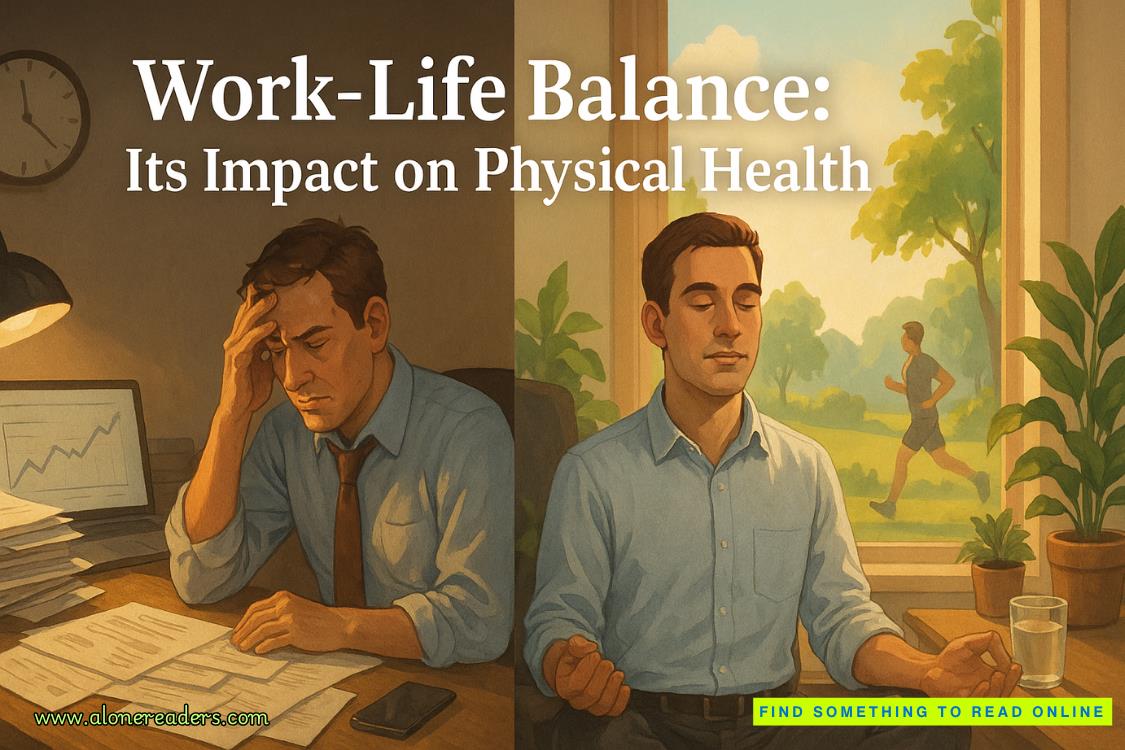
Work is an essential part of life—but when it silently invades every hour of the day, the body begins to carry the burden. Modern professionals often equate productivity with longer hours, constant availability, and neglected rest. Yet physical health is not designed to function this way. The body works in cycles of energy and recovery, tension and relief. When work-life balance collapses, physiological stress becomes chronic rather than adaptive. Heart rate variability changes, hormones shift, immunity weakens, sleep quality declines, and deeper health problems surface quietly over time. Understanding these physical impacts is critical—not only for wellness but for long-term functionality and professional sustainability.
Chronic stress and cortisol levels
When workload and personal life become imbalanced, the body responds by elevating cortisol levels. Cortisol is necessary for alertness and performance, but when constantly elevated, it leads to fatigue, muscle tension, digestive problems, and weakened immunity. Over time, this hormonal imbalance contributes to hypertension and metabolic disorders.
Muscle and posture degradation
Extended working hours—especially in digital and office-based professions—force the body into prolonged sitting positions. Neck strain, lower back pain, and poor circulation become common. Physical inactivity reduces muscle strength, flexibility, and oxygen distribution in the body.
Energy depletion and cellular aging
Lack of recovery diminishes mitochondrial efficiency—the body’s energy production system. This creates sluggishness, slower reaction times, and a decline in cognitive performance. Recent research on biological aging suggests that a poor work-life balance accelerates cellular wear, contributing to early signs of aging and chronic fatigue.
The inflammation cycle
Stress triggers inflammatory responses. A balanced immune system can regulate temporary spikes in inflammation, but chronic overload leads to systemic inflammation—linked to heart disease, diabetes, and joint problems.
Susceptibility to common illness
People under constant work pressure tend to fall sick more frequently—not because of weaker bodies but because physiological recovery mechanisms are suppressed. Common colds, flu, headaches, and digestive issues are early indicators of systemic imbalance.
Nutritional neglect
Poor eating patterns—fast meals, late dinners, caffeine dependency—reduce nutrient absorption and digestive stability. The immune system relies heavily on micronutrients, consistent meal timing, and hydration. Poor work-life balance directly disrupts these processes.
Disrupted circadian rhythm
The human body follows circadian cycles—natural patterns of wakefulness and rest. Excessive work bleeds into evenings, creating mental overstimulation. Digital screens, workload anxiety, and tight deadlines interfere with melatonin production, preventing deep sleep.
Sleep quality vs. sleep quantity
Even if professionals sleep for 7 hours, the quality of sleep might be damaged. Shallow sleep, frequent waking, rapid eye movement disruptions, and non-restorative mornings are common signs. Poor sleep quality affects memory retention, reaction speed, and tissue repair processes.
Physical consequences of long-term sleep disruption:
• Increased blood pressure
• Weight gain and metabolic issues
• Slower healing from injury
• Reduced muscle recovery
• Reduced focus and decision-making speed
• Higher long-term risk of heart disease
Sedentary lifestyle and cardiovascular strain
Prolonged sitting paired with irregular physical activity affects heart function. Reduced circulation and blood pooling in the legs contribute to increased blood pressure and elevated cholesterol levels.
Stress-related cardiovascular reactions
When work-life balance deteriorates, the sympathetic nervous system remains activated for too long, increasing heart workload. Over time, this leads to cardiometabolic syndrome—a state involving high stress hormones, high blood pressure, and insulin resistance.
Symptoms to monitor:
• Consistent fatigue
• Irregular heartbeats
• Chest pressure when stressed
• Shortness of breath after mild exertion
• Morning headaches or dizziness
Hormonal imbalance and weight fluctuations
A disrupted work-life cycle affects ghrelin and leptin—the hormones that regulate hunger and fullness. This leads to overeating at unnatural times or loss of appetite during the day. Over months, the digestive rhythm becomes irregular, causing weight gain or weight loss.
Digestive efficiency decline
Eating meals quickly or under stress reduces digestion efficiency. Food may remain partially processed, creating bloating, acidity, or nutrient deficiency. Chronic disruptions can eventually lead to irritable bowel conditions.
Impact of irregular mealtimes:
• Poor glucose regulation
• Dehydration and headaches
• Lower concentration
• Slower physical recovery
• Increased fat retention around abdomen
Musculoskeletal signs
• Shoulder or neck tightness
• Numbness in arms or fingers
• Lower back stiffness after resting
Neurological signs
• Headaches in late evenings
• Difficulty focusing on simple tasks
• Sudden mood changes
Energy depletion markers
• Heavy limbs after waking
• Reduced motivation to exercise
• Sleep that doesn’t feel restorative
These signs are signals—not failures. The body communicates overload distinctly. Ignoring them for months or years converts short-term imbalance into lifelong health conditions.
Structured working hours
Setting boundaries for work time is not laziness—it is biological preservation. Professionals should follow a “digital sunset” rule: no digital work stimulation one hour before bed.
Micro-breaks every hour
Short, scheduled physical breaks can recalibrate posture, blood flow, and muscle flexibility. Walking, stretching, and breathing exercises increase oxygenation and reduce cortisol buildup.
Meal discipline
• Keep fixed eating times whenever possible
• Avoid eating heavy meals just before bed
• Keep high-protein snacks available for energy stability
• Limit caffeine after midday
Physical activity integration
Exercise does not always need gyms or long routines. Active commuting, stair use, walking calls, or office stretches keep muscles alert and prevent postural degradation.
Emotional decompression
Ventilation of stress is crucial. Talking with friends, journaling, prayer/meditation, music, or creative hobbies allow mental detoxification and cognitive reset.
When professionals restore work-life balance, the physical body gradually enters recovery mode. Stress hormones normalize. Blood pressure stabilizes. Sleep becomes deeper. Muscles recover faster. Emotional resilience improves. The entire system begins to self-repair.
However, when imbalance is sustained for years, even early recovery becomes difficult. Chronic diseases appear silently. Posture may become permanently damaged. Blood pressure medication may become lifelong. Immunity may never fully rebound. Work-life balance is therefore not a preference—it is a biological requirement.
Work-life balance is not only about happiness—it is about survival. The physical consequences of imbalance unfold gradually, making them easy to ignore. But deep inside the body, systems begin to malfunction: hormones shift, digestion weakens, energy collapses, immunity fades, and cellular repair slows down. The body does not protest loudly—it warns quietly. Achieving balance requires structure, boundaries, and recovery rituals, not perfection. Even small adjustments such as fixed mealtimes, physical breaks, strict sleep hours, and controlled work notifications can alter physical health dramatically. In the long run, it is not workload that damages health—it is the absence of recovery. The body is built to work, but it is also built to heal. Work-life balance is the bridge between the two.



 The Importance of Soft Skills in the Modern Workplace: Driving Performance Beyond Technical Expertise
 Overcoming Procrastination: Practical and Proven Strategies to Boost Productivity
 The Power of Positive Thinking: Transform Your Mindset, Transform Your Life
 Setting and Achieving Personal Goals: A Step-by-Step Specialist Guide
 Time Management Hacks: Proven Strategies for a Highly Productive Day
 Guru Purnima Quotes: Deep, Inspiring Messages to Honor Teachers and Spiritual Guides