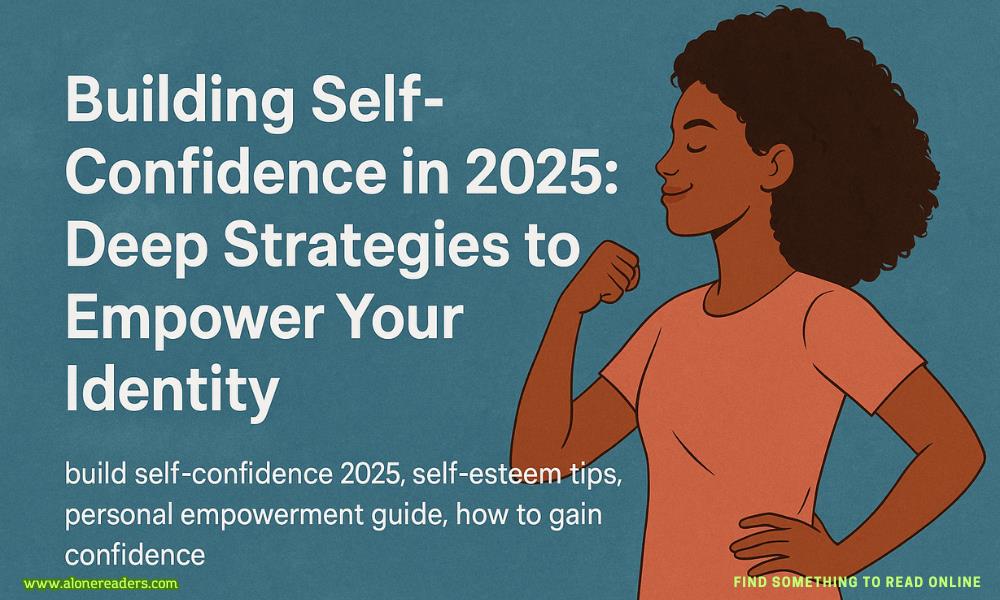
Self-confidence is not a vague or magical trait. It is a practiced, internalized belief system that grows from self-awareness, consistent action, and deliberate reflection. People often misunderstand self-confidence as arrogance or loudness, but true confidence is quiet—it doesn't need to prove itself. This article explores deep, specialist-level strategies for building authentic self-confidence with a focus on psychological, behavioral, and emotional methods grounded in real-world applicability.
Self-confidence is not fixed or inherited
It’s a dynamic construct—meaning, you’re not born with a set amount. Your confidence is built through experiences, choices, and mental narratives. Even highly confident people suffer from doubt in unfamiliar contexts.
Self-confidence vs. self-esteem
While related, they’re not the same. Self-esteem relates to your internal sense of worth, whereas self-confidence is your belief in your ability to perform specific tasks. Confidence is situational—esteem is foundational.
Recognize and rewrite limiting beliefs
The first and most powerful step is confronting the voice inside your head. Thoughts like “I’m not good at this,” or “I always fail” are cognitive distortions. Start by writing them down. Then ask: “Is this objectively true?” and “What evidence do I have against this belief?”
Replace with identity-based affirmations
Instead of repeating “I will be confident,” affirm, “I am someone who practices courage in difficult situations.” The key is identity. If you attach your behavior to a stronger identity, confidence will follow.
Mastery in one domain spreads to others
Choose one area of your life—public speaking, fitness, design, coding, anything—and focus on becoming genuinely good at it. Confidence doesn’t come from pretending—it comes from earned ability.
Deliberate practice over passive repetition
For example, if you're learning to speak in meetings, record yourself, analyze tone, body language, and refine. Feedback-based growth creates internal proof that “I am improving”—a critical ingredient in confidence-building.
Confidence is a side-effect of courageous action
Acting despite fear teaches your brain that you are capable. Instead of waiting to feel confident to do something, flip it—do the hard thing first. Your brain will catch up. This is known as “behavioral activation.”
Micro-bravery every day
Every day, do one thing that makes you slightly uncomfortable—introduce yourself to someone, make a phone call, ask a question in public. These micro-moments build resilience. Over time, the baseline of what feels scary rises.
Posture and breath are silent messengers to the brain
Confidence is not just mental—it’s physical. Practicing upright posture, deep diaphragmatic breathing, and relaxed facial muscles signals safety and strength to your nervous system.
The “Power Pose” is not a myth—but needs context
Standing with your feet apart, hands on hips, and chest open for two minutes before a challenging task can increase testosterone and lower cortisol. Combine this with mental visualization for enhanced effect.
Audit your ‘confidence circle’
You absorb energy from the people you surround yourself with. If you’re always with critics or pessimists, your self-belief gets chipped away. Curate your inner circle—seek people who challenge, support, and believe in your growth.
Digital environment counts too
Follow creators, pages, and communities that nurture growth and learning. Unfollow toxic pages that reinforce insecurity, fear, or comparison.
Learn to sit with discomfort
Confidence is not the absence of anxiety—it’s the ability to act despite it. Use techniques like name-it-to-tame-it (“I feel nervous, not incapable”), journaling, and deep breathing to manage emotional spikes.
Use the 3-second rule to bypass self-doubt
If you want to say something, initiate a handshake, or speak up—do it within three seconds. Waiting allows fear to hijack your prefrontal cortex. Speed kills hesitation.
Create structured self-review sessions
After any important event (meeting, presentation, workout, etc.), ask:
Document your wins regularly
Keep a “Confidence Journal” to write weekly wins, big or small. Over time, this builds a solid archive of evidence that you are growing and evolving.
How you present yourself reflects how you feel
Wearing well-fitted clothes that align with the version of yourself you’re aiming to become can positively influence posture, tone, and mood. This isn’t vanity—it’s visual reinforcement.
Build rituals around grooming and preparation
Morning routines that include intentional grooming, stretching, or visualization prime your brain to be alert and self-respecting throughout the day.
Confidence thrives when not tethered to perfection
Approach every task with the mindset: “I may not control the outcome, but I control my input.” Outcome detachment allows you to take risks without fearing failure.
Failure redefined: it’s feedback, not identity
When things go wrong, say: “This is information, not a label.” Review what happened, extract the lesson, and apply it. The more you do this, the more immune you become to external judgment.
You don’t need to announce your progress to validate it
Internal confidence grows strongest in silence. Let your actions and results speak. The less you depend on external approval, the more you build anti-fragile confidence.
Solitude teaches you self-reliance
Spending time alone—without distractions—helps you understand your own values, beliefs, and priorities. Meditation, walking without your phone, or journaling in silence reinforces your self-identity.
Building self-confidence is not a destination—it’s a layered, ongoing process. True confidence doesn’t mean you never feel fear or doubt. It means you’ve trained yourself to navigate those feelings with grace and action. Whether it’s shifting your internal narrative, acting with intention, managing your emotional state, or curating your environment, every small step matters.
Think of confidence like a muscle. The more intentional resistance you give it—the stronger and more automatic it becomes.
And the beauty is: you don’t need anyone’s permission to start building it today.



 The Importance of Soft Skills in the Modern Workplace: Driving Performance Beyond Technical Expertise
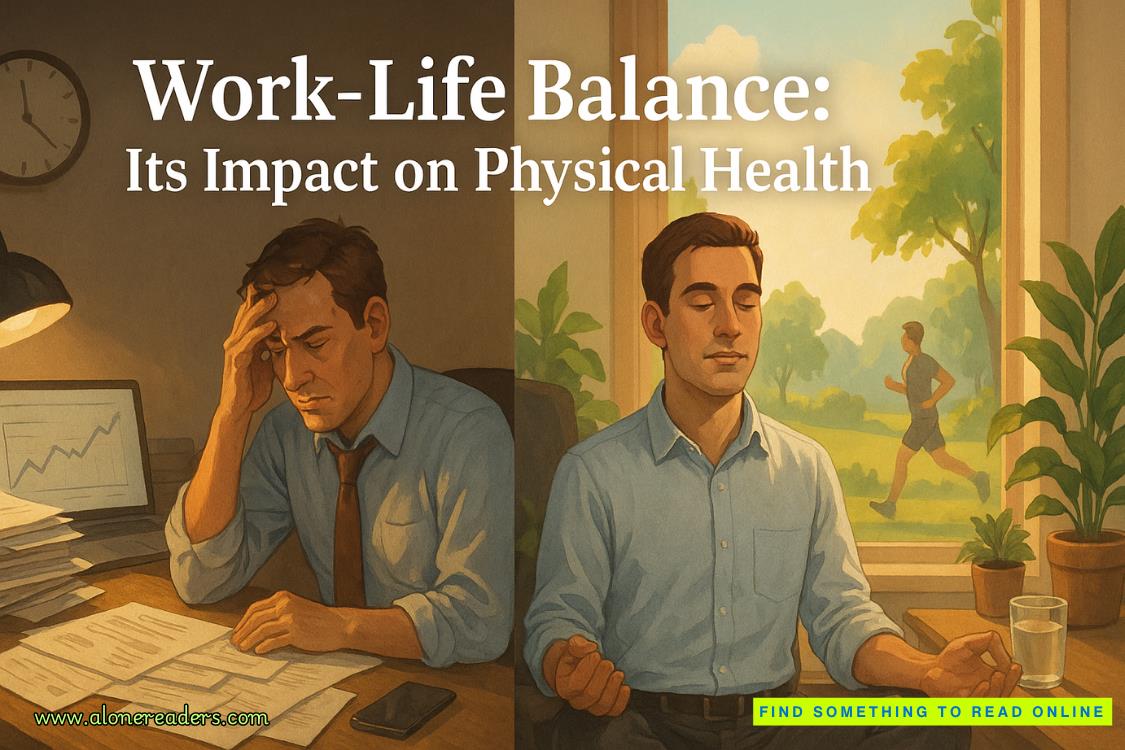 Work-Life Balance and Physical Health: How Daily Choices Shape the Body
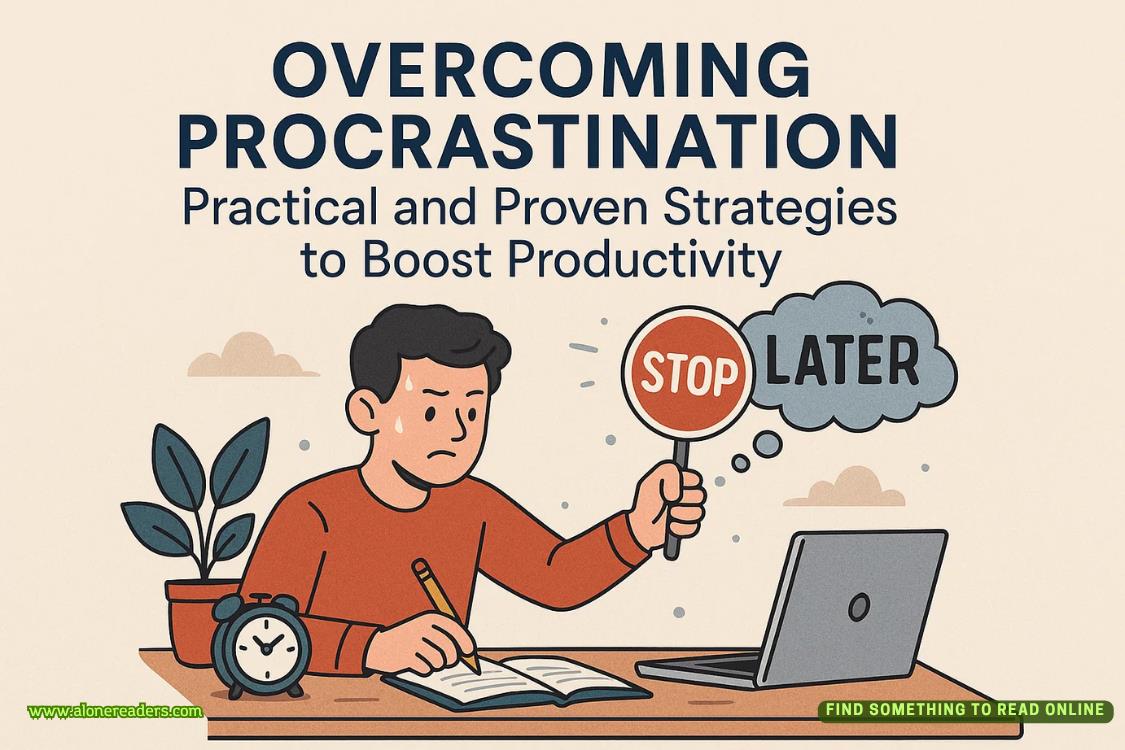 Overcoming Procrastination: Practical and Proven Strategies to Boost Productivity
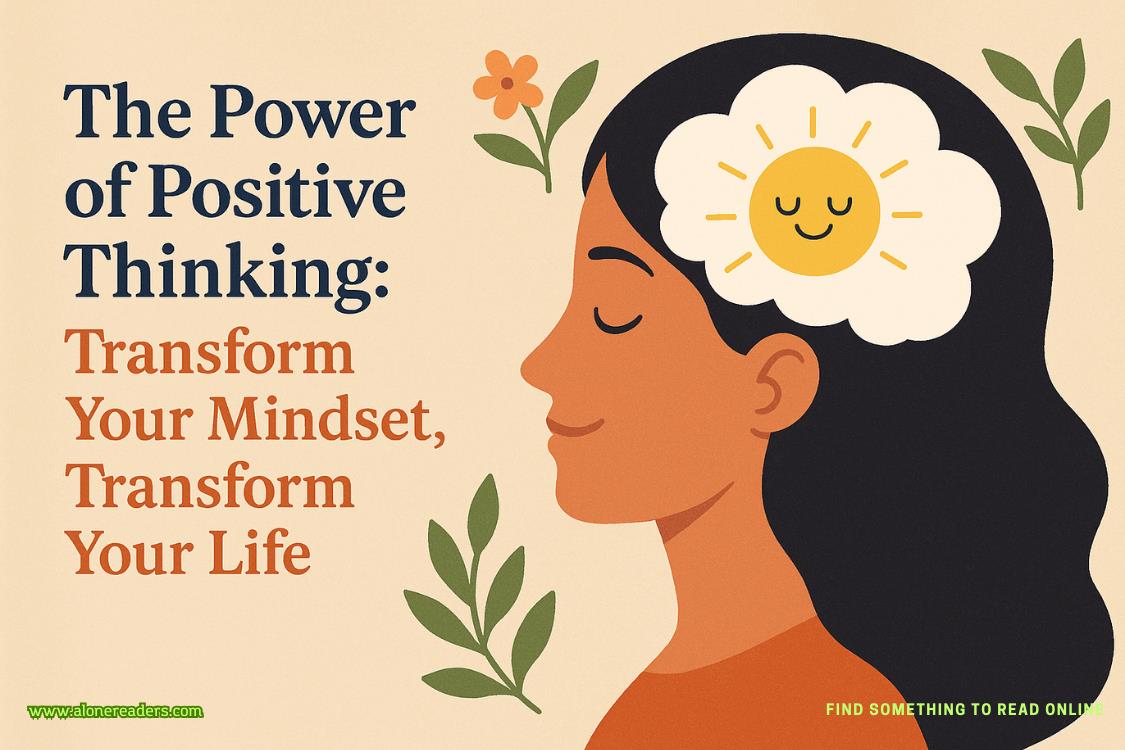 The Power of Positive Thinking: Transform Your Mindset, Transform Your Life
 Setting and Achieving Personal Goals: A Step-by-Step Specialist Guide
 Time Management Hacks: Proven Strategies for a Highly Productive Day










