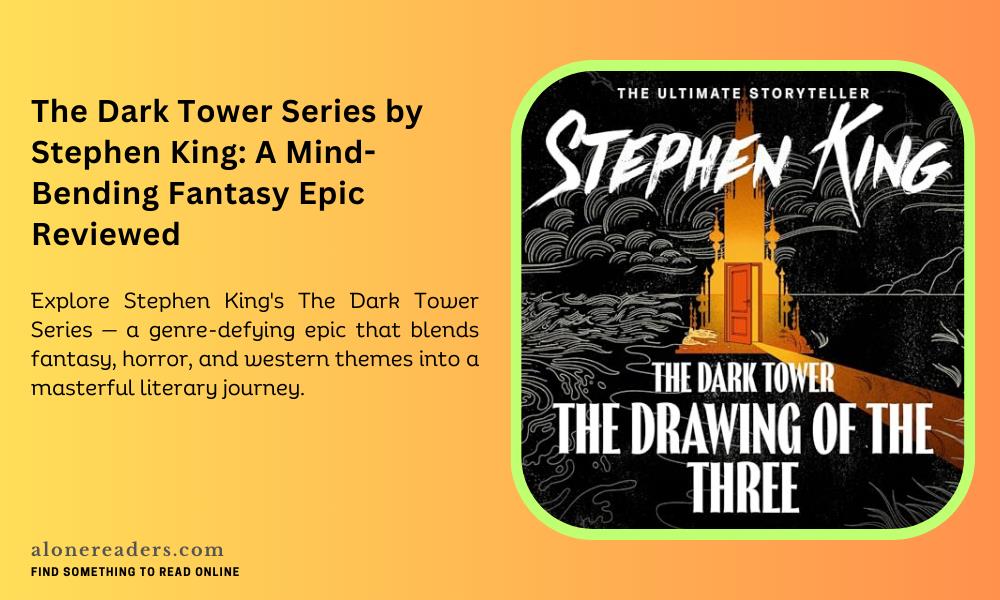
Stephen King's The Dark Tower series stands as one of the most ambitious and genre-defying works in modern literature. Spanning eight primary books and a complex network of intertextual references, this epic saga merges elements of fantasy, science fiction, westerns, and horror, all anchored by an apocalyptic quest narrative. At the center of this literary behemoth is Roland Deschain, the last gunslinger, whose obsessive pursuit of the enigmatic Dark Tower shapes the heart and soul of the series. King has described this work as his magnum opus, and for good reason — it serves as a central spine that connects much of his fictional universe, threading together characters, locations, and metaphysical ideas found throughout his other novels.
The story begins with The Gunslinger, a book that is both sparse and surreal, following Roland as he traverses a vast, decaying landscape in pursuit of the mysterious "man in black." The tone is stark and poetic, influenced by Sergio Leone’s spaghetti westerns and infused with deep philosophical undercurrents. As the series progresses into books like The Drawing of the Three, The Waste Lands, and Wizard and Glass, King expands the world, introduces a core group of companions, and deepens the narrative’s emotional stakes. The protagonists — Eddie Dean, Susannah Dean, Jake Chambers, and the billy-bumbler Oy — are all drawn from different realities and times, creating a richly layered team dynamic that enhances the quest motif.
One of the most distinctive features of The Dark Tower is its willingness to break narrative boundaries. King inserts himself as a character in later volumes, notably in Song of Susannah and The Dark Tower, blurring the lines between author and fiction in a metafictional twist that has been both praised and criticized. This self-insertion underscores a central theme of the series: that storytelling is not just entertainment but a powerful, reality-shaping force. The Dark Tower itself becomes a symbol of structure and existence, with its destruction representing a collapse of all realities. In this context, Roland is more than a hero — he is an agent of narrative continuity, cursed and compelled to repeat his journey until he truly understands what it means to be human.
The world-building in The Dark Tower is as sprawling as it is unique. King's "Mid-World" is a place where the laws of time and space break down, where magic and technology coexist in uneasy balance, and where echoes of our world constantly surface. This unstable reality allows King to weave in references to his other works — from It to The Stand to Salem’s Lot — effectively making The Dark Tower a nexus of his entire literary universe. Fans of King’s oeuvre will appreciate how deeply interconnected everything becomes, as characters and places from standalone novels appear and interact in surprising ways.
Despite its many strengths, the series is not without its controversies. Some readers struggle with the tonal shifts between books, especially as the series moves from the tight minimalism of The Gunslinger to the sprawling, often chaotic narrative of the final volumes. The metafictional elements, particularly King's role in the story, can feel self-indulgent or jarring to those expecting a more traditional fantasy epic. Furthermore, the ending of the series — ambiguous, cyclical, and provocative — has divided fans for years. Yet for many, this conclusion is not a flaw but a masterstroke, reinforcing the themes of fate, repetition, and redemption that permeate the saga.
What makes The Dark Tower truly exceptional is its emotional depth. Roland is a deeply flawed protagonist — stoic, driven, and often blind to the human cost of his quest. His journey is as much about self-discovery and the consequences of obsession as it is about reaching the Tower itself. The camaraderie among his ka-tet is heartfelt and tragic, and their trials resonate with readers on a profound level. King’s ability to inject vulnerability, loss, and moral ambiguity into a sprawling fantasy narrative is what elevates this series beyond the confines of genre fiction.
In the end, The Dark Tower is a daring and unforgettable experience. It challenges readers to embrace uncertainty, to question the nature of stories, and to consider the idea that the journey — with all its heartbreak and revelations — may be more important than the destination. Whether you’re a long-time fan of Stephen King or a newcomer looking for a rich, mind-bending saga, The Dark Tower offers a literary journey unlike any other. Its scope, imagination, and emotional weight secure its place as a cornerstone not only of King’s bibliography but of modern fantasy literature itself.



 Escaping Reality: The Best Fantasy Books for Solo Reading Adventures
 Exploring the World Through Books: A Solo Journey into Cultures, History, and Identity
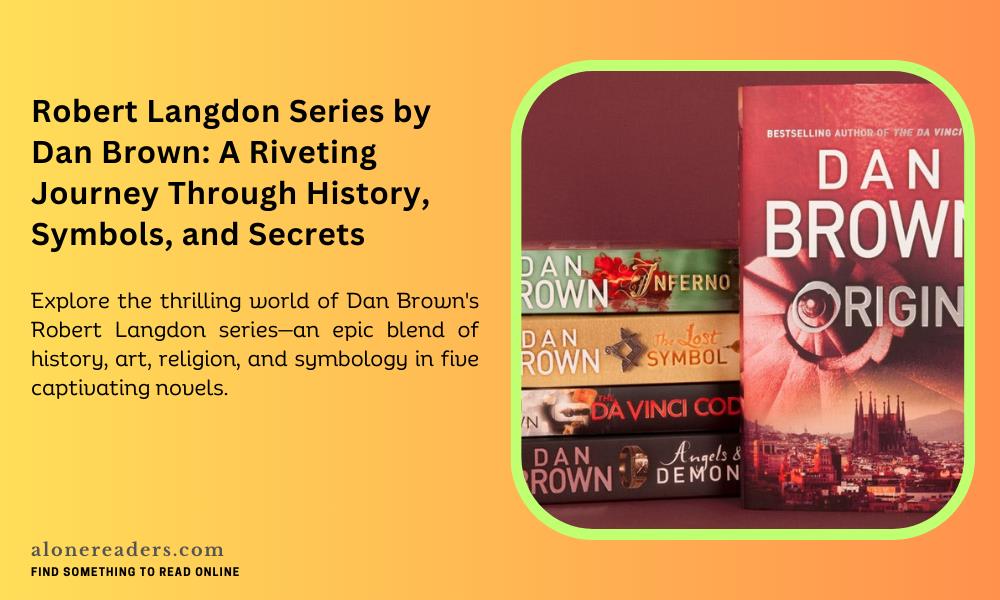 Robert Langdon Series by Dan Brown: A Riveting Journey Through History, Symbols, and Secrets
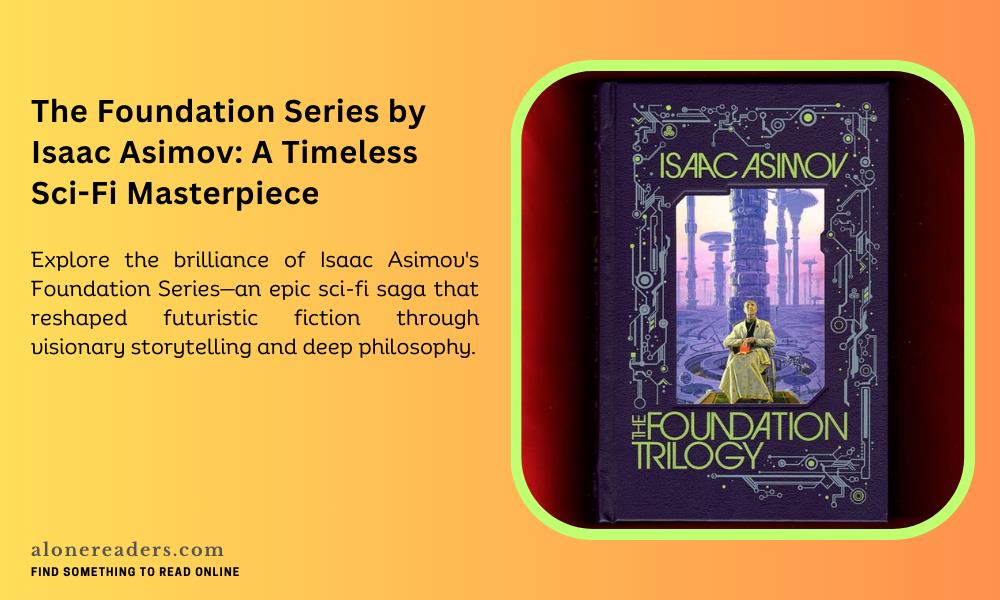 The Foundation Series by Isaac Asimov: A Timeless Sci-Fi Masterpiece
 A Deep Dive into the Divergent Trilogy by Veronica Roth: Book Series Review
 A Thrilling Romance of Passion and Intrigue: A Review of "The Marriage He Must Keep"










