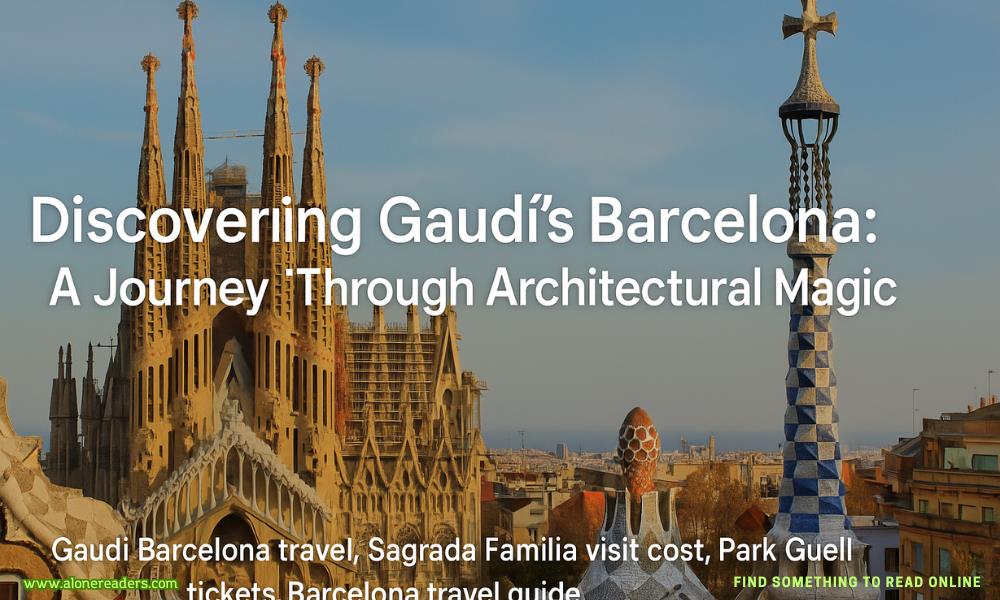
Barcelona is a city where the soul of Catalonia dances in colors, curves, and creativity. Nowhere is this more evident than in the works of Antoni Gaudí, the genius architect whose surreal buildings have transformed the cityscape into a living museum of imagination. From towering basilicas to whimsical parks, Gaudí’s masterpieces are more than just buildings—they are expressions of nature, religion, and art.
Visiting Gaudí's architectural sites is not just a tour—it’s a journey through dreams built in stone. This guide walks you through the best Gaudí landmarks in Barcelona, complete with tips on getting there, accommodations, food options, expenses, and traveler advice.
Sagrada Família: The Symbol of Barcelona
The Basílica de la Sagrada Família is Gaudí’s most iconic creation and a symbol of the city itself. Construction began in 1882 and is still ongoing, expected to be completed in the 2030s. The fusion of Gothic and Art Nouveau styles, paired with towering spires and biblical symbolism, make it a must-visit.
Park Güell: A Mosaic Dreamscape
Originally envisioned as a residential park, Park Güell is now one of the most visited public spaces in Spain. The entrance is marked by two fairy-tale pavilions, leading you into a landscape filled with mosaic dragons, colorful tiles, and curved stone structures that mimic organic forms.
Casa Batlló: The House of Bones
Located on the famous Passeig de Gràcia, Casa Batlló looks like it leaped out of a fantasy novel. Its bone-like balconies, colorful glass mosaics, and dragon-scale roof enchant every visitor. Don’t miss the immersive audiovisual experience inside.
Casa Milà (La Pedrera): A Stone Wave
This undulating stone façade, complete with wrought-iron balconies and an otherworldly rooftop, was one of Gaudí’s last secular projects. The rooftop chimneys look like medieval knights, and the interior is an architectural lesson in natural light and curves.
Palau Güell: Gaudí’s Early Genius
Often overlooked, Palau Güell near La Rambla was one of Gaudí’s earliest commissions. Built for his patron Eusebi Güell, it showcases Moorish influences, ironwork, and a rooftop decorated with vividly tiled chimneys.
By Air:
Barcelona-El Prat International Airport (BCN) is the primary gateway, with direct flights from major cities across Europe, North America, and Asia. It is located 15 km from the city center.
Airport to City Transport:
By Train:
Barcelona Sants is the main railway station, well connected with Madrid (AVE high-speed train), Paris, and other major cities.
By Bus:
Long-distance buses from cities like Valencia, Zaragoza, or even France arrive at Estació del Nord.
Budget:
Mid-Range:
Luxury:
Traditional Dishes to Try:
Recommended Places to Eat:
| Category | Budget (€) | Mid-Range (€) | Luxury (€) |
|---|---|---|---|
| Accommodation | 25–40 | 100–130 | 250+ |
| Food | 15–25 | 30–50 | 80+ |
| Transport | 5–10 | 10–15 | 20+ |
| Entry Tickets | 25–50 | 60–100 | 100+ |
| Total | 70–125 | 200–295 | 450+ |
Pickpockets:
Barcelona is safe, but pickpocketing—especially around tourist hotspots like La Rambla, Sagrada Família, and Metro stations—is common. Keep your valuables in front pockets or inside an anti-theft bag.
Booking Tickets:
Always book tickets to Gaudí sites in advance, especially Sagrada Família and Park Güell, to skip long lines and avoid disappointment.
Best Time to Visit:
Language:
Most locals speak Catalan and Spanish. English is widely understood in tourist areas, but a few Catalan greetings can earn you smiles:
Final Thoughts: A City Painted by Gaudí
Walking through Barcelona feels like stepping into a dream colored by Gaudí's imagination. Every arch, curve, and mosaic tells a story of innovation and faith. Whether you're a first-time traveler or a returning visitor, Gaudí’s masterpieces offer something fresh to marvel at with every glance.
This city is not just a destination—it’s a canvas, and Gaudí is the brush that painted it. Make sure your next travel calendar includes Barcelona—it’s one of those few places where architecture turns into poetry.

October 25, 2023

January 02, 2025



 Unique Australian Wildlife and Where to Find Them: A Complete Travel Guide
 Island Hopping in the Philippines: Ultimate Travel Guide to Paradise Adventures
 Hong Kong Skyline: Best Spots for Stunning Panoramic Views
 The Enchanting Lijiang: A Complete Guide to Its Ancient Alleys, Culture, and Travel Costs
 San Diego: The Ultimate Family Vacation Destination (Beaches, Wildlife, and Budget-Smart Fun)
 Unveiling the Mysteries of the Kazan Kremlin: A Complete Travel Guide to Russia’s Historic Gem
 The Abu Ghraib Scandal, Iraq, 2004: A Human Rights Disaster That Shook the World
 The Disbanding of the CNRP, Cambodia, 2017: Hun Sen's Clampdown on Democracy and the Reshaping of Cambodian Politics
 The Firing of James Comey, United States, 2017: Trump's Controversial Decision Amid FBI Investigation
 The Rwandan Refugee Crisis, Central Africa, 1994: Aftermath of Genocide and the Humanitarian Catastrophe
 The Most Important Turning Points of the Battle of Hastings (1066)
 Why William Won the Battle of Hastings and Harold Lost: Strategy, Leadership and Fate in 1066
 How King Harold II Died: Facts, Myths, and Historical Debate
 The Battle of Hastings: A Complete Timeline of the Fighting
 High-End Talent Category A Work Permit China 2026: Complete Eligibility, Benefits, Application Process, and Expert Guide
 Cultural Activities Visa Japan 2026 Guide: Complete Eligibility, Requirements, Application Process, and Expert Tips