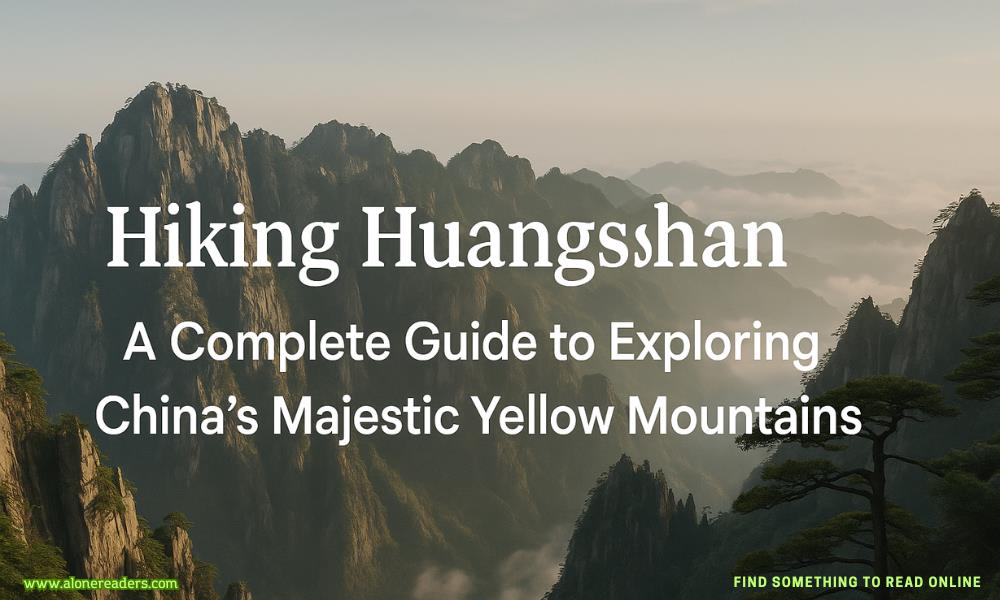
Hidden in the heart of eastern China’s Anhui Province, the majestic Yellow Mountains — or Huangshan (黄山) — are a destination that feels straight out of an ancient painting. With mystical granite peaks piercing through swirling seas of clouds, pine trees clinging to steep cliffs, and sunrise views that silence even the most seasoned traveler, Huangshan is more than a mountain range — it’s a symbol of China’s natural and cultural beauty. Whether you're drawn by adventure, photography, or serenity, hiking Huangshan offers an unforgettable experience that’s both physically challenging and spiritually rewarding.
The Yellow Mountains' breathtaking beauty
Huangshan is renowned for its “Four Wonders”: peculiar pines, fantastically shaped rocks, sea of clouds, and hot springs. The unique landscape has inspired countless Chinese poets and painters throughout history. It’s also a UNESCO World Heritage Site, celebrated for both its natural and cultural significance.
Must-see highlights on the mountain
Arriving in Huangshan City (Tunxi)
Most visitors start their journey by getting to Huangshan City, also known as Tunxi. The city is well-connected by:
From Huangshan City, it’s about a 1.5-hour drive (70 km) to the Huangshan Scenic Area South Gate (Tangkou Town), the base of most hiking routes.
Estimated cost:
Ticketing and cable cars
To enter Huangshan, visitors need to purchase entrance tickets and can optionally take cable cars for part of the ascent.
Estimated total (entry + one cable car): ¥310–¥330 (approx. $45–$47)
If you plan to hike up and down without cable cars, it’s free beyond the entry fee — but expect a 6-8 hour physically demanding climb.
Choosing between Eastern and Western Steps
Many travelers ascend via the Eastern Steps and descend via the Western Steps over a 2-day trip.
Xihai Grand Canyon loop (optional 2–3 hrs) is a must-do detour on the second day if you're staying overnight.
Hotels on the mountain
Staying overnight on the mountain allows you to experience both sunset and sunrise — arguably the most magical moments.
Tips:
Accommodations in Tangkou (base town)
If you prefer to hike in and out in one day (not recommended unless very fit), you can stay in Tangkou:
Food on the mountain
Restaurants and convenience stores are available at major scenic spots and hotels, but prices are higher due to the difficulty of transporting supplies.
Local specialties to try in Tunxi or Tangkou
You’ll find plenty of small restaurants offering meals for ¥30–¥60 ($4–$8) per person in Tangkou.
| Expense | Estimated Cost (in CNY) | USD Equivalent |
|---|---|---|
| Transportation (from Shanghai roundtrip) | ¥600–¥1000 | $85–$140 |
| Entry + cable car | ¥310–¥330 | $45–$47 |
| Mountain hotel (1 night) | ¥600–¥1000 | $85–$140 |
| Food | ¥150–¥250 | $21–$35 |
| Miscellaneous | ¥100 | $14 |
| Total | ¥1760–¥2680 | $245–$375 |
Spring (April–May): Ideal for wildflowers and lush scenery
Autumn (September–November): Best for golden foliage and clear skies
Winter: Snowy landscapes and fewer crowds (some trails may close)
Avoid: Chinese public holidays — especially Golden Week (early October) and Spring Festival
Be prepared for altitude and weather changes
Other precautions:
Hiking Huangshan isn’t just about reaching the summit — it’s about experiencing a piece of China's soul. The sweeping panoramas, the delicate dance of light and mist, and the sheer grandeur of stone and sky combine into something spiritual. Whether you’re a seasoned hiker or a curious traveler, Huangshan will challenge your legs and inspire your heart.
If you want to feel like you’ve stepped into a Chinese ink painting — and have the adventure of a lifetime — then Huangshan is calling. All you need are strong legs, a love of nature, and a sense of awe.



 Unique Australian Wildlife and Where to Find Them: A Complete Travel Guide
 Island Hopping in the Philippines: Ultimate Travel Guide to Paradise Adventures
 Hong Kong Skyline: Best Spots for Stunning Panoramic Views
 The Enchanting Lijiang: A Complete Guide to Its Ancient Alleys, Culture, and Travel Costs
 San Diego: The Ultimate Family Vacation Destination (Beaches, Wildlife, and Budget-Smart Fun)
 Unveiling the Mysteries of the Kazan Kremlin: A Complete Travel Guide to Russia’s Historic Gem










