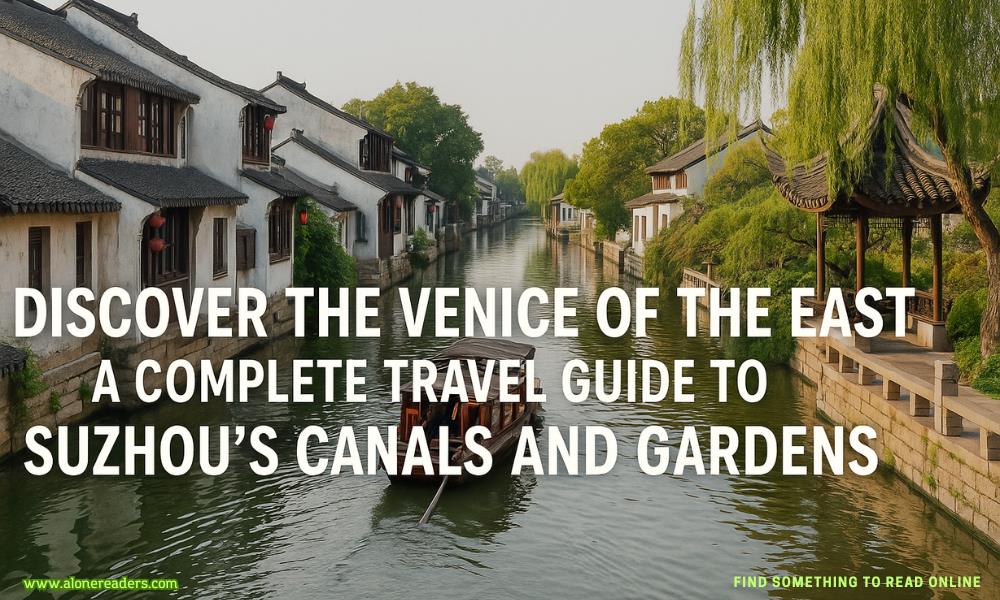
Tucked away in China’s Jiangsu province lies a hidden gem often dubbed the "Venice of the East" — Suzhou. Famous for its ancient canals, classical Chinese gardens, silk heritage, and poetic charm, Suzhou blends history, culture, and beauty in a way few cities can. With roots going back over 2,500 years, this city showcases timeless elegance through its preserved water towns, stone bridges, narrow alleys, and tranquil courtyards.
This guide will walk you through everything you need to know to plan an unforgettable trip to Suzhou — from its must-visit spots and how to get there, to where to stay, what to eat, and what to keep in mind as a traveler.
A City Built on Water
Much like Venice, Suzhou is interwoven with an extensive network of canals. These historic waterways once served as crucial trade routes and today serve as scenic thoroughfares for wooden gondola-like boats. The old town of Suzhou is a living museum — narrow lanes flanked by Ming and Qing-era buildings with canals flowing silently beside them.
Cultural and Artistic Soul
Suzhou has inspired poets, painters, and emperors for centuries. Its unique combination of nature and artistry, especially expressed through its classical gardens, earned several of them UNESCO World Heritage status. Water, stone, and foliage all interact in harmony, making the city feel like a poem written in architecture.
The Classical Gardens of Suzhou
Suzhou is home to more than 60 classical Chinese gardens, of which nine are listed as UNESCO World Heritage Sites. These include:
Humble Administrator's Garden (Zhuōzhèng Yuán): The largest and arguably the most famous, this garden features lush greenery, winding pathways, lotus ponds, and ancient pavilions.
Entrance Fee: ¥70–¥90 depending on the season (approx. $10–$13 USD)
Lingering Garden (Liú Yuán): Known for its exquisite layout, stone formations, and delicate halls.
Entrance Fee: ¥55–¥70 (approx. $8–$10 USD)
Master of the Nets Garden (Wǎngshī Yuán): Smaller in size but refined in design, especially beautiful during evening performances in spring and autumn.
Entrance Fee: ¥30–¥40 (approx. $5–$6 USD)
Pingjiang Road
This cobbled pedestrian street runs alongside a narrow canal and offers a blend of historic charm and modern café culture. Expect teahouses, calligraphy shops, local snacks, and canal boat rides. It’s a great place to experience Suzhou’s relaxed pace.
Tiger Hill (Hǔqiū)
Famous for its leaning Yunyan Pagoda, sometimes called the “Leaning Tower of China,” Tiger Hill also features lush scenery, stone pathways, and a rich historical legacy.
Entrance Fee: ¥60 (approx. $9 USD)
Shantang Street
A picturesque area where visitors can stroll or take a boat ride. It’s a living water town, with red lanterns glowing at night and traditional music playing softly from the shops.
Suzhou Museum
Designed by world-renowned architect I.M. Pei, this museum beautifully combines modern design with traditional Suzhou elements. The exhibitions highlight Suzhou’s rich heritage in silk, ceramics, painting, and architecture.
Entrance Fee: Free
By Train
Suzhou is easily accessible from Shanghai and other major Chinese cities.
From Shanghai Hongqiao Railway Station:
Take a high-speed train (G or D trains) to Suzhou Railway Station or Suzhou North Station. The ride takes around 30 minutes.
Cost: ¥35–¥55 (approx. $5–$8 USD)
From Beijing or Hangzhou:
High-speed trains are available.
Beijing to Suzhou: ~5 hours
Hangzhou to Suzhou: ~2 hours
By Bus or Car
While less popular due to convenience of trains, buses and private cars can also reach Suzhou via the G2 or G15 highways.
Accommodations in Suzhou cater to all types of travelers, from budget backpackers to luxury seekers.
Budget Options:
Mingtown Suzhou Youth Hostel
Located near Pingjiang Road
Cost: ¥80–¥120/night ($12–$18 USD)
Mid-range Hotels:
Hotel Soul Suzhou
Stylish boutique hotel within walking distance to main attractions
Cost: ¥300–¥500/night ($45–$70 USD)
Luxury Stays:
Pan Pacific Suzhou
A five-star hotel blending classical Chinese and modern design
Cost: ¥600–¥1000/night ($90–$150 USD)
Tonino Lamborghini Hotel Suzhou
Overlooking Jinji Lake with world-class service
Cost: ¥1000+/night ($150+ USD)
Suzhou cuisine is known for its mild sweetness, delicate flavors, and fresh ingredients.
Must-Try Dishes:
Meal Budget Estimates:
| Expense | Estimated Cost (USD) |
|---|---|
| Transportation (round trip from Shanghai) | $16 |
| Accommodation (2 nights mid-range) | $120 |
| Attractions (gardens, boat rides, Tiger Hill) | $30 |
| Food and snacks | $40 |
| Miscellaneous (souvenirs, transport) | $20 |
| Total | ~$225 |
Best Seasons:
Language Barrier:
English isn’t widely spoken. Carry a translation app and learn some basic Mandarin phrases or have key names written down in Chinese.
Cash & Payment:
While many Chinese residents use mobile payments (WeChat Pay, Alipay), international cards are not always accepted. Keep some cash (¥200–¥300) for tickets, transport, and food.
Respect Local Culture:
When visiting temples or traditional homes, maintain quiet and respectful behavior.
Air Pollution:
Check air quality levels, especially if you have respiratory conditions. Most days are fine, but a mask may be useful during occasional spikes.
Scams or Overcharging:
Avoid unregistered tour guides or vendors pushing expensive souvenirs. Stick to well-reviewed services.
Weather Precaution:
Rain is common in spring and summer. Always carry a compact umbrella or raincoat.
Suzhou isn’t just a destination; it’s an experience. It’s where ancient China whispers through weeping willows and garden walls, where every narrow canal holds a story, and where the blend of nature and human artistry reaches poetic heights. Whether you're cruising down a quiet waterway, sipping tea in a 500-year-old courtyard, or marveling at the intricacy of a classical garden, Suzhou invites you to slow down and feel time stretch.
If you're exploring China and want a serene, historical, and cultural escape that balances beauty and depth — Suzhou is not to be missed.



 Unique Australian Wildlife and Where to Find Them: A Complete Travel Guide
 Island Hopping in the Philippines: Ultimate Travel Guide to Paradise Adventures
 Hong Kong Skyline: Best Spots for Stunning Panoramic Views
 The Enchanting Lijiang: A Complete Guide to Its Ancient Alleys, Culture, and Travel Costs
 San Diego: The Ultimate Family Vacation Destination (Beaches, Wildlife, and Budget-Smart Fun)
 Unveiling the Mysteries of the Kazan Kremlin: A Complete Travel Guide to Russia’s Historic Gem