
Yunnan, a southwestern province of China, is a land of unparalleled beauty and cultural diversity. With its mist-covered mountains, verdant valleys, and terraced rice fields, Yunnan feels like a living tapestry where nature and humanity have danced in harmony for centuries. What truly sets it apart, however, is its rich folklore, expressed through the lifestyles, festivals, dress, music, and traditions of over 25 recognized ethnic groups, including the Bai, Yi, Hani, Naxi, and Dai people. In Yunnan, every village tells a story, and every step through its landscapes is a journey into a vibrant cultural mosaic.
From the old towns of Lijiang and Dali to the tranquil countryside of Yuanyang and the sacred peaks of Shangri-La, Yunnan invites travelers to not just see but feel the depth of China’s ethnic heartland. Whether you're a nature lover, a cultural enthusiast, or a curious soul, this region offers an unforgettable adventure steeped in color, music, and mythology.
Yunnan’s Unique Position in China
Yunnan is located in the far southwest of China, bordering Myanmar, Laos, and Vietnam. Its geography is dramatic — ranging from snow-capped Himalayan peaks in the northwest to subtropical rainforests in the south. This diverse terrain has nurtured an equally diverse range of communities who have preserved their unique customs for generations.
A Living Museum of Ethnic Cultures
Unlike many other parts of China where Han Chinese culture dominates, Yunnan is a patchwork of ethnic enclaves. Travelers will experience vibrant festivals, traditional architecture, and elaborate costumes that are rarely seen elsewhere. Each ethnic group has its own dialect, cuisine, attire, and spiritual beliefs, offering a truly immersive journey for the culturally curious.
Lijiang: A UNESCO Heritage Old Town
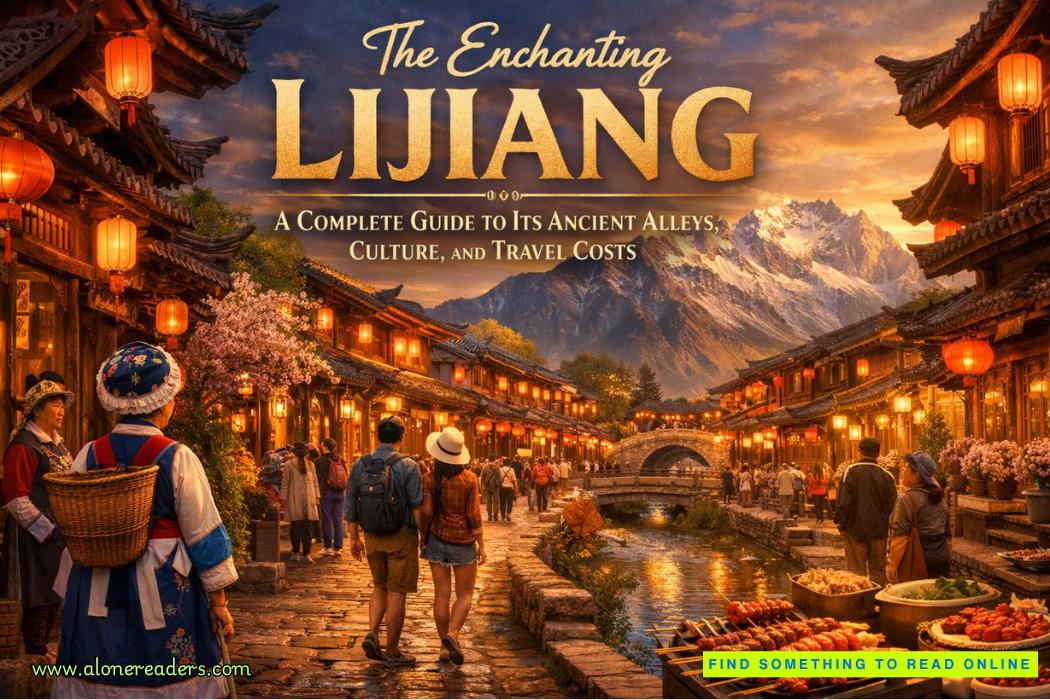
Lijiang’s cobblestone alleys, wooden homes, and murmuring canals are an open-air museum of Naxi culture. The Dongba script, one of the few remaining pictographic languages in the world, is still used in some areas. Local women in blue and white garments walk gracefully through markets selling yak meat, silver jewelry, and embroidered fabrics.
Top attractions in Lijiang:
Entry fees: Around 80–100 CNY for major attractions
Local stay: 200–500 CNY per night in boutique guesthouses
Dali: Where the Bai People Thrive
Dali, lying between Cangshan Mountain and Erhai Lake, is known for its relaxed vibe and stunning natural surroundings. It is home to the Bai people, famous for their architecture, tie-dye crafts, and the Three-Course Tea ceremony. The old town's white-walled buildings, stone paths, and lively cafes make it a favorite among backpackers.
Top attractions in Dali:
Entry fees: Many sites are free, but expect 30–100 CNY for others
Local stay: Budget hostels start at 100 CNY, with boutique inns around 300–500 CNY
Yuanyang: The Iconic Rice Terraces of the Hani People
For those seeking remote beauty, Yuanyang in southern Yunnan offers jaw-dropping terraced rice fields carved into mountain slopes. The Hani people have cultivated these terraces for over 1,300 years. Sunrise and sunset are magical here, especially from Duoyishu and Laohuzui viewpoints.
Entry fee for terrace area: Around 70 CNY
Accommodation: Rustic homestays or small hotels cost 150–400 CNY per night
Best time to visit: Winter (Dec–Feb) for water-filled mirrors or Spring (March–April) for green seedlings
Shangri-La: The Gateway to Tibetan Culture
At over 3,000 meters above sea level, Shangri-La (formerly Zhongdian) transports you to Tibetan China. Visit Songzanlin Monastery — the largest Tibetan Buddhist monastery in Yunnan — and hike around Napa Lake or through Pudacuo National Park. The air is thin, but the spirit is rich.
Entry fees: Monastery ~100 CNY, National Park ~200 CNY
Accommodation: Mid-range Tibetan lodges from 300–600 CNY per night
Arriving by Air
Kunming, the capital of Yunnan, has an international airport with direct flights from Bangkok, Singapore, Kuala Lumpur, and most major Chinese cities. From Kunming, regional flights or trains connect to Dali, Lijiang, and Shangri-La.
By Train or Bus
China’s high-speed rail network connects Kunming to Dali and Lijiang efficiently. Long-distance buses are also available but less comfortable.
A Taste of the Mountains and Valleys
Yunnan cuisine is a revelation — fresh herbs, wild mushrooms, and ethnic spices. Here are a few must-try dishes:
Average meal cost:
Whether you’re on a tight budget or seeking traditional luxury, Yunnan offers a wide range of stays:
Booking in advance is advised during Chinese holidays and the peak travel seasons of Spring and Autumn.
| Expense Item | Estimated Cost (CNY) |
|---|---|
| Domestic Flights/Trains | 500–800 |
| Accommodation (6 nights) | 1,200–2,500 |
| Meals & Snacks | 600–1,000 |
| Entry Fees & Tours | 300–800 |
| Transport (local) | 200–400 |
| Total | 2,800–5,500 CNY (~600–1,000 AUD/USD) |
Altitude Awareness
Shangri-La and surrounding areas are at high elevation (over 3,000m). Take it slow upon arrival and drink lots of water. Acclimatize for a day before hiking.
Weather Variability
Yunnan’s climate can vary dramatically between regions. Pack layers, including waterproof jackets and sun protection.
Language Barrier
English is not widely spoken in rural areas. Use translation apps and carry hotel addresses in Chinese characters.
Respect Local Customs
Always ask before taking photos of people or entering cultural sites. Participate respectfully in ceremonies or festivals.
Health and Safety
Food is generally safe, but drink bottled water. Tap water is not potable. Travel insurance is highly recommended, especially for high-altitude hiking.
Yunnan is not just a destination — it's an emotional and cultural odyssey. Every twist in the road leads to a new dialect, a new flavor, a new song. The folklore of Yunnan is not confined to books or museums — it lives in the villages, dances in the festivals, and echoes through the valleys.
Whether you're chasing the sunrise over rice terraces, walking hand-in-hand through the ancient streets of Lijiang, or sipping butter tea with a Tibetan family, Yunnan will leave you enchanted. It's the kind of place that doesn't just stay in your travel diary — it stays in your soul.



 Unique Australian Wildlife and Where to Find Them: A Complete Travel Guide
 Island Hopping in the Philippines: Ultimate Travel Guide to Paradise Adventures
 Hong Kong Skyline: Best Spots for Stunning Panoramic Views
 The Enchanting Lijiang: A Complete Guide to Its Ancient Alleys, Culture, and Travel Costs
 San Diego: The Ultimate Family Vacation Destination (Beaches, Wildlife, and Budget-Smart Fun)
 Unveiling the Mysteries of the Kazan Kremlin: A Complete Travel Guide to Russia’s Historic Gem