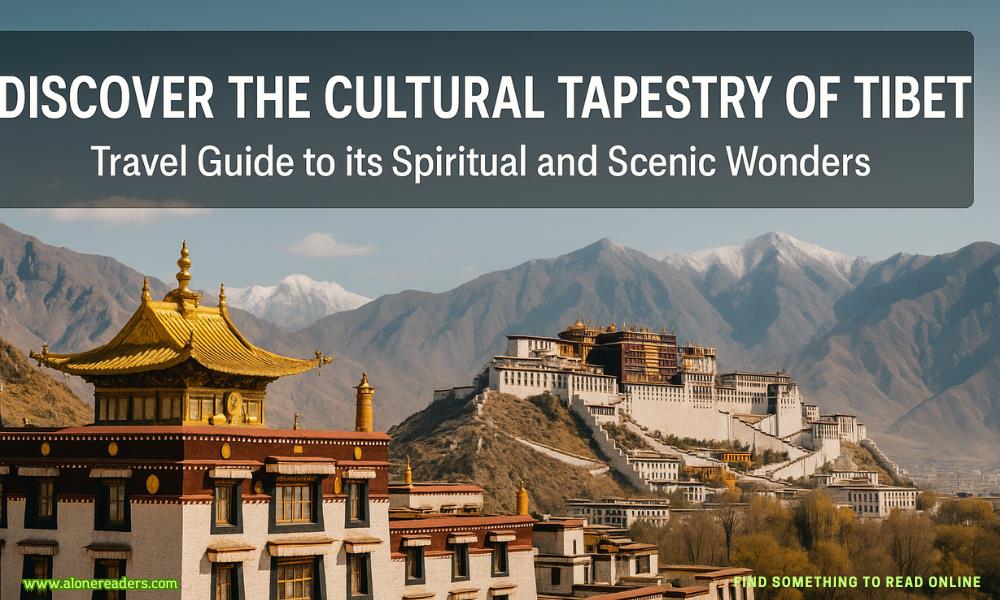
Tibet, often called the “Roof of the World,” is more than just a remote plateau perched high in the Himalayas. It is a land of vibrant prayer flags fluttering in crisp mountain winds, ancient Buddhist chants echoing through timeless monasteries, and dramatic landscapes that stir both awe and humility. With its blend of profound spirituality and untouched natural beauty, Tibet is not just a destination—it is an experience that transforms the soul.
In this guide, we’ll take you through the majestic attractions of Tibet, how to get there, what to eat, where to stay, and what you need to know before embarking on this unforgettable journey.
Tibet’s location and altitude
Tibet is an autonomous region of China, sitting at an average elevation of over 4,000 meters (13,000 feet). Bordered by Nepal, India, and Bhutan, it is home to some of the world's highest peaks, including Mount Everest on its border with Nepal.
A culture shaped by spirituality
What sets Tibet apart is its deeply rooted Tibetan Buddhism. This ancient faith permeates daily life—from intricate Thangka paintings and yak butter lamps to the sacred pilgrimages around Mount Kailash.
Lhasa – The Heart of Tibetan Culture
Lhasa, Tibet’s capital, is the spiritual and cultural hub. Start your journey at Potala Palace, once the winter residence of the Dalai Lama, now a UNESCO World Heritage Site. The 13-story structure is a masterpiece of Tibetan architecture with over 1,000 rooms filled with religious artifacts and murals.
Next, visit Jokhang Temple, the most sacred temple in Tibet, surrounded by Barkhor Street, a lively market where pilgrims walk in clockwise koras (circuits) spinning prayer wheels.
Mount Everest Base Camp (North Face)
One of the rare places where you can witness the majesty of Mount Everest from the Tibetan side. The base camp, accessible via the Friendship Highway, offers sweeping views and is generally less crowded than its Nepali counterpart.
Namtso Lake – The Sacred Sky Lake
Located at over 4,700 meters above sea level, Namtso is one of the highest saltwater lakes in the world. The turquoise waters set against snow-capped mountains and yak-dotted meadows create a serene and mystical landscape.
Mount Kailash – A Spiritual Odyssey
This peak is considered sacred in four religions: Buddhism, Hinduism, Jainism, and Bon. Trekking the 52-kilometer kora (circuit) around the mountain is a deeply spiritual experience, believed to wash away sins of a lifetime.
Entry requirements and permits
Foreigners cannot enter Tibet independently. You must join a registered Tibet tour agency, which will organize your Tibet Travel Permit, required for flights or train travel into the region.
Routes to Tibet
Lhasa
Namtso Lake & Everest Base Camp
Accommodation in these remote areas is basic. Expect shared rooms or yak tents at USD 10–20 per night. At Everest Base Camp, heated tents may cost USD 30–50 per person in peak season.
Mount Kailash (Darchen and Trekking Points)
Guesthouses in Darchen and monasteries along the kora offer spartan lodging for USD 5–15 per night.
Traditional Tibetan Dishes
Meal costs
Here’s a breakdown of the estimated cost for a 7-day trip to Tibet (starting from Chengdu):
Total estimated cost per person: USD 1,400–2,200
Acclimatize properly
Tibet’s high altitude can cause Acute Mountain Sickness (AMS). Spend the first couple of days in Lhasa taking it easy. Drink lots of water, avoid alcohol, and consider carrying Diamox after consulting a doctor.
Travel restrictions and permits
Always check for the latest political and health regulations. Entry permits can take up to 15–20 days to process, and some areas like Mount Kailash require additional Alien Travel Permits.
Respect local customs
Do not photograph people without permission. Walk clockwise around religious sites. Do not touch sacred objects, prayer flags, or spin prayer wheels in the wrong direction.
Connectivity
Internet access is limited, and many Western websites and apps are blocked. Bring a VPN if necessary and expect occasional blackouts in remote areas.
Weather caution
Weather can change quickly, especially near the mountains. Bring layered clothing, including a good windbreaker, gloves, and sunglasses. Even in summer, nights can drop below freezing.
Tibet is a destination that stays with you long after you’ve left its high passes and monasteries behind. It challenges your body but feeds your soul with its spiritual depth and untouched beauty. Whether you’re watching monks debate at Sera Monastery or soaking in the surreal sunrise at Namtso Lake, every moment in Tibet feels sacred.
With thoughtful planning, respect for the culture, and openness to the unexpected, your journey across this mystical land will be nothing short of transformative.



 Unique Australian Wildlife and Where to Find Them: A Complete Travel Guide
 Island Hopping in the Philippines: Ultimate Travel Guide to Paradise Adventures
 Hong Kong Skyline: Best Spots for Stunning Panoramic Views
 The Enchanting Lijiang: A Complete Guide to Its Ancient Alleys, Culture, and Travel Costs
 San Diego: The Ultimate Family Vacation Destination (Beaches, Wildlife, and Budget-Smart Fun)
 Unveiling the Mysteries of the Kazan Kremlin: A Complete Travel Guide to Russia’s Historic Gem