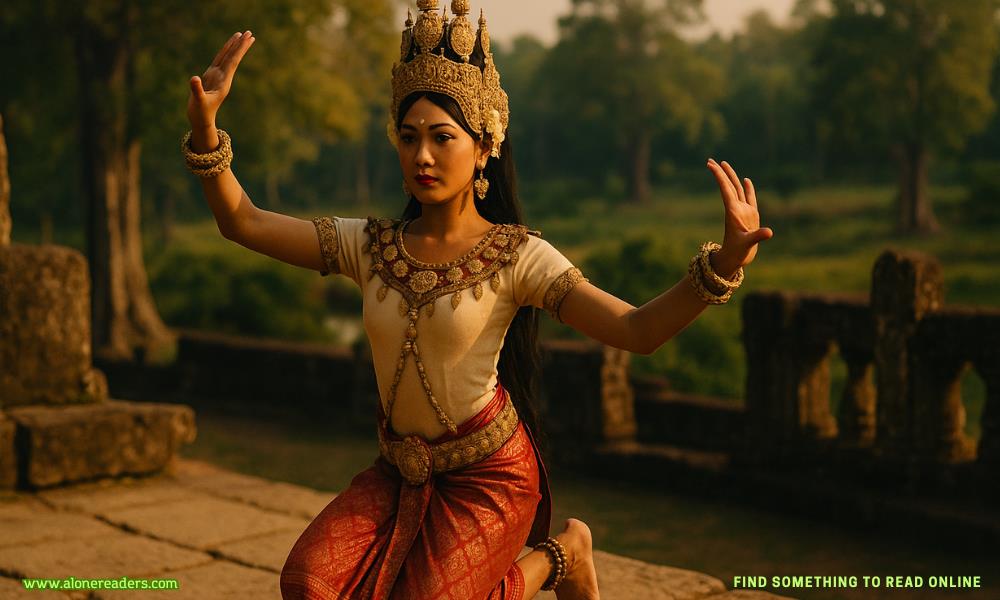
Cambodia is a land where time seems to stand still amid ancient temples, warm smiles, and deeply rooted traditions. While the country is globally known for the breathtaking temples of Angkor Wat, one of its most mesmerizing yet lesser-highlighted gems is its traditional dance — a graceful, spiritual expression of Khmer heritage. From the classic Apsara dance to folkloric village performances, these art forms are more than entertainment; they’re windows into Cambodia’s soul.
In this travel blog post, we’ll take you through the places where you can experience the best of Cambodia’s traditional dance, how to get there, the best times to visit, where to stay, what to eat, estimated costs, and essential travel tips to make your cultural adventure seamless and unforgettable.
Phnom Penh – The Capital’s Cultural Pulse
Phnom Penh, Cambodia’s capital, is the best place to begin your cultural journey. The National Museum of Cambodia regularly hosts traditional dance performances in the evenings, especially between October and March. One of the highlights here is the Cambodian Living Arts show, which presents Apsara, the masked Lakhon Khol, and rural folk dances in a beautifully choreographed format.
Siem Reap – Dancing in the Shadows of Angkor
In Siem Reap, near the ancient temples of Angkor, traditional dance becomes a magical experience. Many restaurants offer dinner-and-dance packages, especially around the Old Market and Pub Street. The most iconic of all is the Apsara Theatre, which stages nightly shows with elaborate costumes, live music, and dinner. Watching dancers perform under soft golden lights with Angkor Wat nearby is a truly spiritual experience.
Battambang – Off the Beaten Path
For those wanting something more grassroots, head to Battambang, a smaller city that embraces its artistic roots. The Phare Ponleu Selpak school here trains underprivileged children in dance, music, and visual arts. Visitors can watch live performances and also take part in community workshops.
Apsara Dance – The Spirit of the Gods
The Apsara dance is perhaps the most iconic. Inspired by celestial dancers carved into Angkor’s temple walls, Apsara dance is slow, deliberate, and almost hypnotic. Each gesture tells a story — love, tragedy, or celestial tales — with fingers bending in impossibly delicate poses.
Folk Dances – The Joy of the Countryside
Beyond the royal traditions are village dances like the Peacock Dance, Fishing Dance, or Coconut Dance. These performances are energetic and lively, often reflecting rural life, harvest celebrations, and folk legends.
Lakhon Khol – The Masked Drama
This is Cambodia’s version of epic masked theatre. Dancers wear painted masks and act out scenes from the Reamker, the Khmer adaptation of the Ramayana. These are intense, symbolic, and typically reserved for grand performances at temples or major events.
Flying into Cambodia
Most international travelers arrive via Phnom Penh International Airport (PNH) or Siem Reap International Airport (SAI). From Australia or Europe, round-trip flights typically cost between $700 to $1,200 USD, depending on the season.
Domestic Travel
Tuk-Tuks and Local Transport
Tuk-tuks are the most fun and affordable way to get around cities. Fares range from $2 to $6, depending on the distance.
Phnom Penh
Siem Reap
Battambang
Budget: Here Be Dragons Hostel ($5–$10/night)
Mid-range: Bambu Hotel ($40–$60/night)
Must-Try Cambodian Dishes
Food Markets and Street Eats
Night markets in Siem Reap and Phnom Penh are great for budget meals. Expect to pay $1 to $3 for noodle bowls, skewers, and fresh fruit smoothies.
Estimated Daily Food Budget:
| Category | Budget ($USD) | Mid-range ($USD) | Luxury ($USD) |
|---|---|---|---|
| Flights | 700 | 900 | 1200 |
| Accommodation | 50 | 200 | 1200 |
| Food | 50 | 125 | 200 |
| Transport & Entry | 40 | 80 | 150 |
| Dance Shows | 10–15 | 30 | 80 |
| Total | 850+ | 1335+ | 2830+ |
The best time to visit is during the cool dry season from November to February. Weather is pleasant (22°C–28°C), making it ideal for outdoor temple visits and evening cultural shows.
Avoid the monsoon season from May to October, as many rural roads can become inaccessible and performances may be cancelled or moved indoors.
Visa Requirements
Health and Safety Tips
Local Etiquette
Cambodia’s traditional dance is more than a spectacle — it’s a preservation of identity, spirituality, and beauty passed down through generations. Watching an Apsara dancer glide across a candlelit stage, hands whispering myths in midair, is an experience that lingers long after your journey ends.
Whether you’re an art lover, a cultural explorer, or simply a curious traveler, this trip into Cambodia’s heritage will leave your heart fuller, your soul lighter, and your travel diary far richer.



 Unique Australian Wildlife and Where to Find Them: A Complete Travel Guide
 Island Hopping in the Philippines: Ultimate Travel Guide to Paradise Adventures
 Hong Kong Skyline: Best Spots for Stunning Panoramic Views
 The Enchanting Lijiang: A Complete Guide to Its Ancient Alleys, Culture, and Travel Costs
 San Diego: The Ultimate Family Vacation Destination (Beaches, Wildlife, and Budget-Smart Fun)
 Unveiling the Mysteries of the Kazan Kremlin: A Complete Travel Guide to Russia’s Historic Gem